Things to Do in Portugal: Experiences Worth the Trip
Lisbon's neighbourhoods, Sintra, Porto and the Douro Valley, surfing the Atlantic coast, the Alentejo, Madeira and the Azores, fado, tiles and food.
In this guide
- Exploring Lisbon's Historic Neighbourhoods and Monuments
- Day Trips to Sintra: Palaces, Gardens, and Coastal Cliffs
- Discovering Porto and the Douro River Valley
- Coastal Adventures and Surfing the Atlantic
- Stepping Back in Time in Central Portugal and the Alentejo
- Island Escapes: Hiking Madeira and Exploring the Azores
- Cultural Immersion: Azulejos, Fado, and Portuguese Gastronomy
- Practical Advice for Planning Your Portugal Itinerary
- Shaping Your Portugal Itinerary
This guide is part of our Portugal Travel Guide — start there for the overview, when to go and how to get around.
In the morning, the smell of roasted chestnuts drifts through the narrow, cobbled alleys of Alfama as the mist lifts off the Tagus River. High above the red-tiled roofs, the squeal of Tram 28's iron wheels sounds like a call to explore, echoing off walls wrapped in centuries-old ceramic tiles.
Portugal is a country that packs an astonishing range of landscapes, traditions, and architectural wonders into a compact frame. From the wild Atlantic swell battering giant sea cliffs to quiet medieval towns baking in the golden sun of the Alentejo plain, every region feels distinct, rooted in maritime history and an enduring love for simple, sublime food and wine.
Whether you are stepping into Gothic cloisters, hiking along volcanic crater lakes, or sitting in a dimly lit tavern listening to the haunting strains of traditional fado music, planning a trip around specific, memorable experiences ensures you feel the true heart of the nation. Below is a detailed guide to the most rewarding things to do across mainland Portugal and its sub-tropical archipelagos.
- Country: Portugal (including Madeira and Azores archipelagos)
- Capital: Lisbon (Lisboa)
- Language: Portuguese
- Currency: Euro (€)
- Primary Transit: CP (Comboios de Portugal) rail network, urban trams, express buses, regional ferries
- Best Times to Visit: April to June and September to October for warm days, light crowds, and clear skies
Exploring Lisbon's Historic Neighbourhoods and Monuments
Lisbon is a city defined by its light, its steep hills, and its deep connection to the sea. Spread across seven historic hills overlooking the Tagus River estuary, the Portuguese capital offers an exhilarating blend of grand imperial squares, maze-like medieval districts, and striking Manueline architecture.
Riding Tram 28 and Wandering Alfama
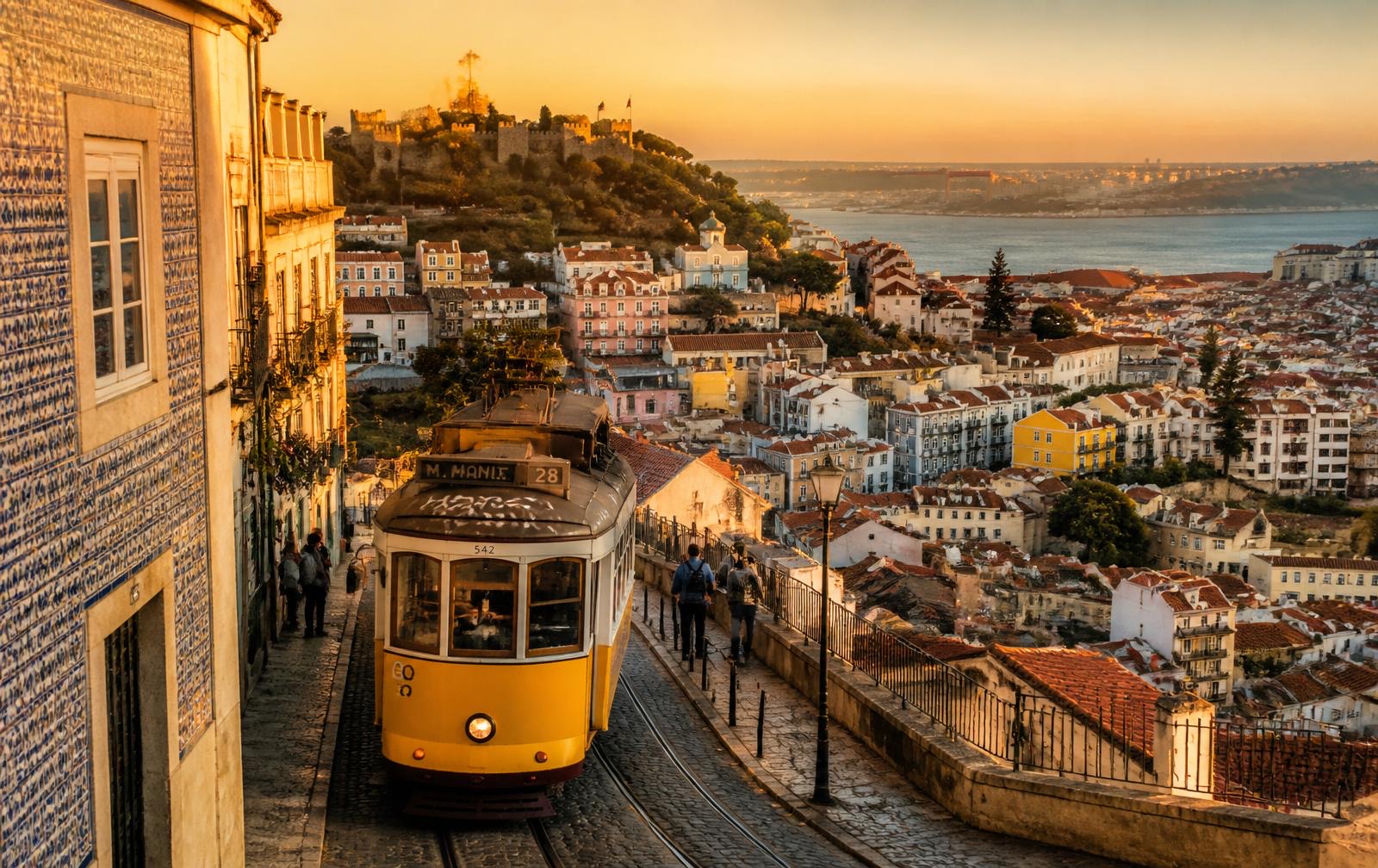
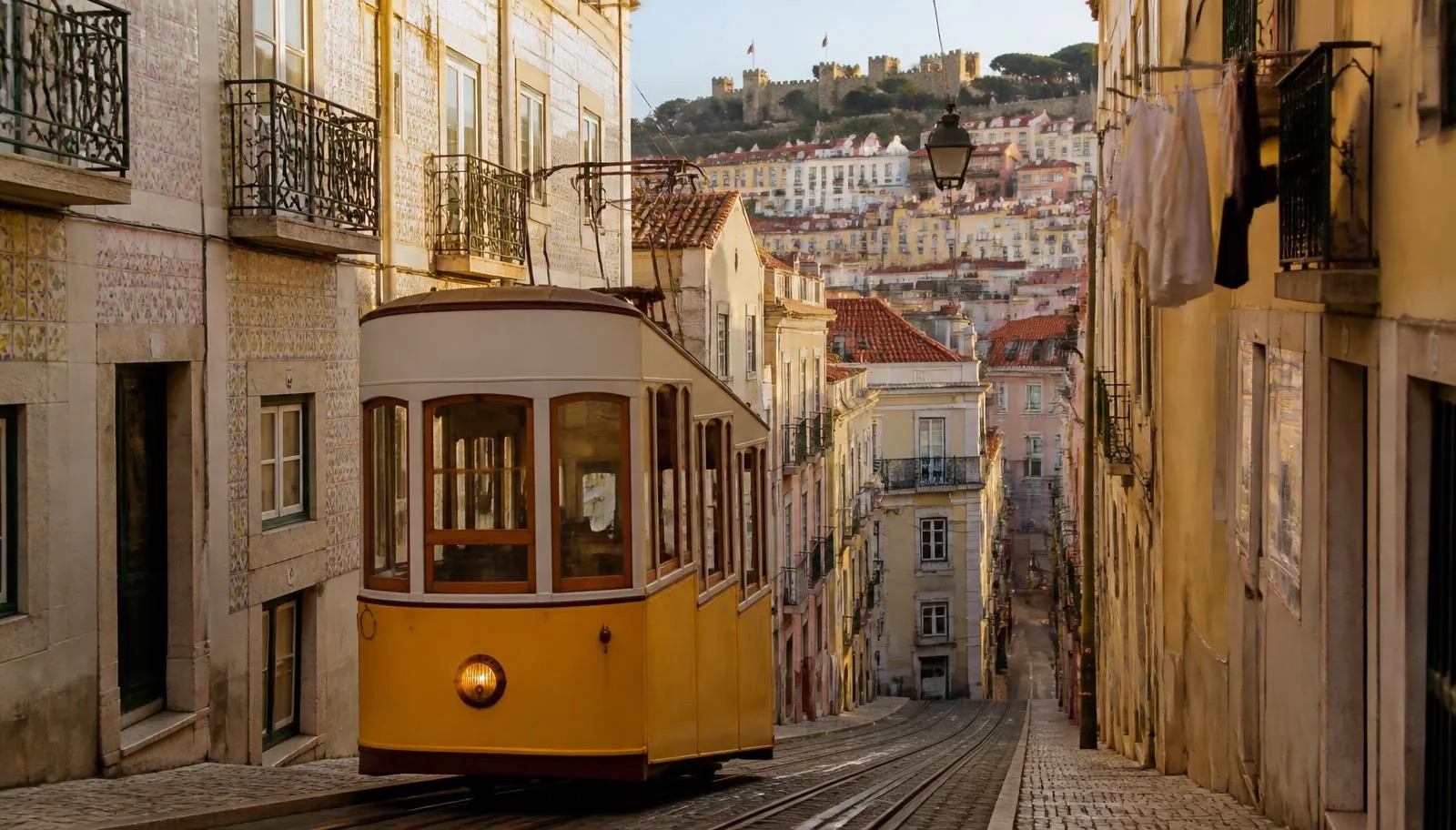
The iconic yellow Remodelado trams are not merely a postcard image; they remain an essential part of Lisbon's public transit network. Route 28 screeches its way through the tightest turns and steepest gradients of the city, connecting Baixa with the historic hilltops of Alfama and Graça. Riding this wooden-panelled tram early in the morning, before the mid-day crowds gather, offers a front-row seat to neighbourhood life.
Stepping off the tram in Alfama drops you into Lisbon's oldest quarter, which famously survived the devastating 1755 earthquake. Here, the layout remains distinctly Moorish—a labyrinth of cobblestone lanes, tiny squares, flying buttresses, and residential buildings draped in drying laundry. Aimless wandering is the best strategy here. You will naturally stumble across quiet viewpoints (miradouros) like Santa Luzia and Portas do Sol, which offer panoramic views across terracotta rooftops toward the blue waters of the Tagus.
The Maritime Legacy of Belém
A few kilometres west of the city centre lies Belém, the departure point for many of Portugal's historic voyages of discovery. The architecture here reflects the wealth that flowed into the kingdom during the Age of Discovery.
- Jerónimos Monastery: A masterwork of Manueline (Portuguese late Gothic) architecture. The stone cloisters are intricately carved with maritime motifs, nautical ropes, coral, and exotic flora. Inside the church lie the tombs of explorer Vasco da Gama and poet Luís de Camões.
- Belém Tower: Standing on the riverbank, this 16th-century fortification served as both a defence fortress and a ceremonial gateway to Lisbon. Its delicate balconies and Moorish-style watchtowers look exceptional caught in late afternoon sunlight.
- Monument to the Discoveries: A striking 20th-century concrete monument shaped like the prow of a caravel, lined with statues of historical figures including Prince Henry the Navigator.
Day Trips to Sintra: Palaces, Gardens, and Coastal Cliffs
Tucked into the pine-covered hills of the Serra de Sintra, just 30 kilometres west of Lisbon, Sintra feels like an entirely different realm. The cool microclimate here attracted Portuguese royalty and aristocrats for centuries, resulting in a dense concentration of Romantic-era palaces, extravagant villas, and mystical gardens.
Pena Palace and Quinta da Regaleira
Perched high on a rocky peak, the National Palace of Pena is a vivid kaleidoscope of yellow, red, and grey stone. Built in the 19th century on the ruins of a Manueline monastery, the palace fuses Gothic, Moorish, and Renaissance architectural elements. Walking along the perimeter ramparts provides panoramic views across the forested hills down to the Atlantic ocean.
Lower down the mountain lies Quinta da Regaleira, an enigmatic estate designed by Italian architect Luigi Manini. The primary draw here is the sprawling park filled with hidden tunnels, grottoes, lakes, and esoteric symbolism. The most famous structure is the Initiation Well—a subterranean stone staircase spiralling nine storeys down into the earth, built to resemble an inverted tower used for ceremonial rituals.
Standing at Cabo da Roca
A short bus ride or drive from Sintra brings you to Cabo da Roca, the westernmost point of continental Europe. Here, wild winds blow off the open ocean, crashing high waves against sheer granite cliffs rising over 100 metres above the Atlantic. Standing beside the historic stone lighthouse looking out across thousands of kilometres of open water provides a profound sense of standing on the edge of the known world.
Discovering Porto and the Douro River Valley
In northern Portugal, the country's second city, Porto, sits dramatically along the steep banks of the Douro River. Renowned for its industrial history, granite architecture, and world-class wine production, Porto offers a grittier, deeply atmospheric urban experience.
Ribeira, Livraria Lello, and Gaia's Port Cellars
The beating heart of Porto is the Ribeira district, a riverfront neighbourhood of colourful medieval houses, narrow alleys, and bustling open-air cafes. Spanning the river is the double-deck iron Dom Luís I Bridge, designed by Théophile Seyrig, a former partner of Gustave Eiffel. Crossing the upper deck on foot offers breathtaking photo opportunities of the river gorge.
In the historic centre, literature and architecture fans flock to Livraria Lello, one of Portugal's oldest bookshops. Inside, a grand, crimson-carpeted double staircase spirals beneath a large stained-glass ceiling, surrounded by floor-to-ceiling carved wooden bookshelves.
Across the river in Vila Nova de Gaia, the riverfront is lined with the historical lodges of famous Port wine producers. Here, barrels of fortified wine were historically brought downriver on traditional wooden barcos rabelos to age in cool, dark granite cellars. Guided tours and tastings through these cellars reveal the intricate differences between Ruby, Tawny, and Vintage ports.
Cruising and Rail Travel in the Douro Valley
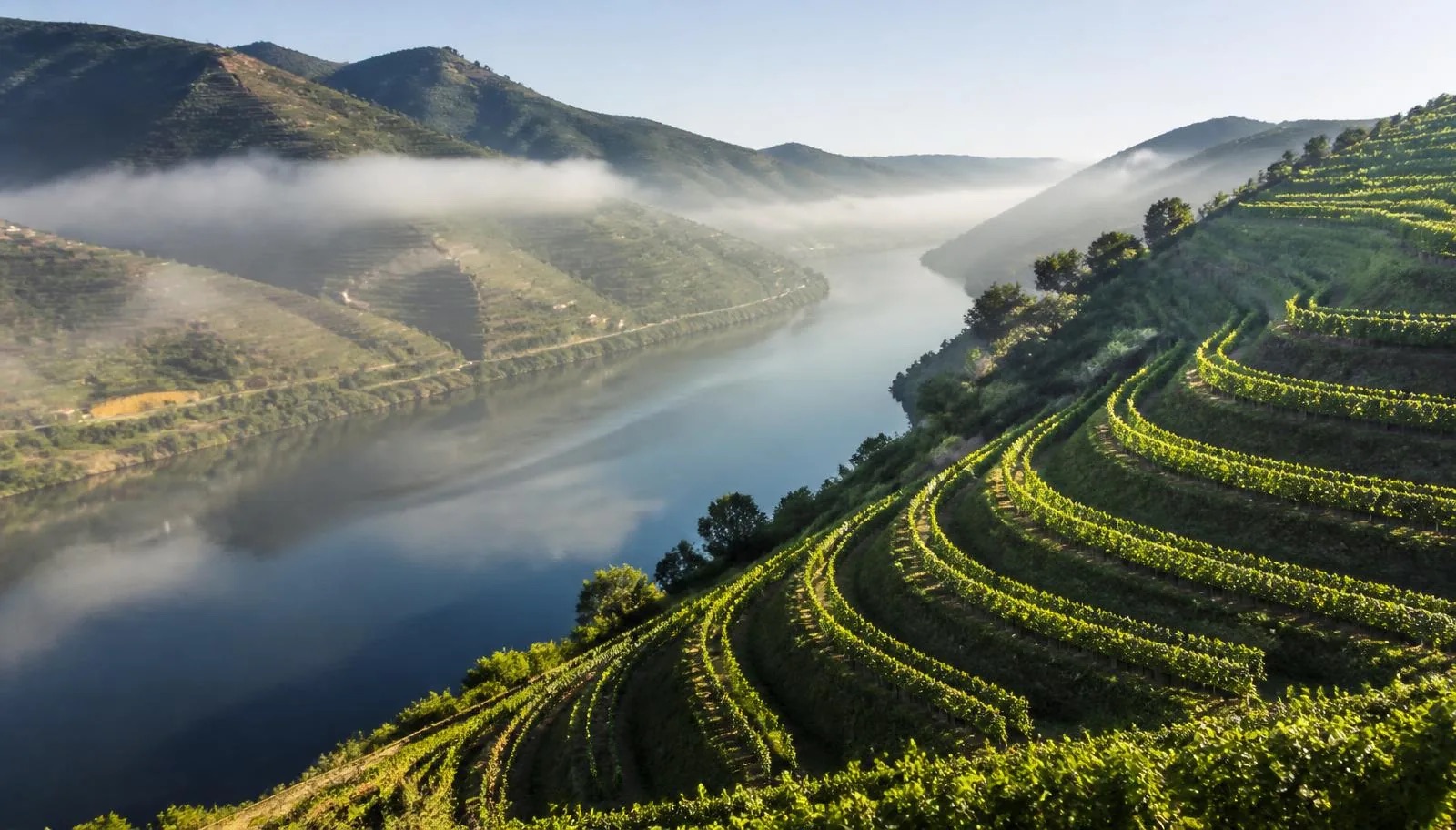
Upriver from Porto lies the Douro Wine Region, demarcated in 1756 and one of the world's oldest regulated wine areas. Over centuries, workers carved step terraces directly into steep schist mountainsides to plant grapevines along the winding river course. The result is a dramatic human-shaped landscape recognised as a UNESCO World Heritage site.
- By Rail: The Linha do Douro train line tracks the river bank from Porto directly into the heart of the valley, passing the quiet village of Pinhão on its way to the terminus at Pocinho; Pinhão's small railway station is famous for its intricate azulejo tile panels depicting grape harvests.
- By River Boat: Traditional cruises navigate the locks along the Douro, offering slow, scenic perspectives of high terraced vineyards and historic wine estates (quintas).
Coastal Adventures and Surfing the Atlantic
With nearly 1,000 kilometres of Atlantic coastline on the mainland alone, ocean culture runs deep across Portugal. The west coast is raw, exposed, and world-renowned for its surfing, while the southern shore provides sheltered golden beaches framed by dramatic limestone formations.
Big Waves at Nazaré and Surfing in Peniche
Nazaré was once a quiet fishing village where women wore traditional seven-layered skirts and fishermen dried salted fish on wooden frames along the beach. Today, it is famous in the global big-wave surfing community. Off the coast lies the Nazaré Canyon, an underwater geological trench over 5 kilometres deep that channels Atlantic storm swells into colossal waves off Praia do Norte during winter months. Standing at the lighthouse on the headland at Fort of São Miguel Arcanjo watching massive walls of water crash against the cliffs is an unforgettable experience.
Further south, the windswept peninsula of Peniche offers exceptional surf conditions year-round. Thanks to its unique geography, with beaches facing multiple directions, surfers can almost always find offshore winds and clean waves, notably at the famous beach break of Supertubos.
The Algarve Coast and Benagil Sea Caves
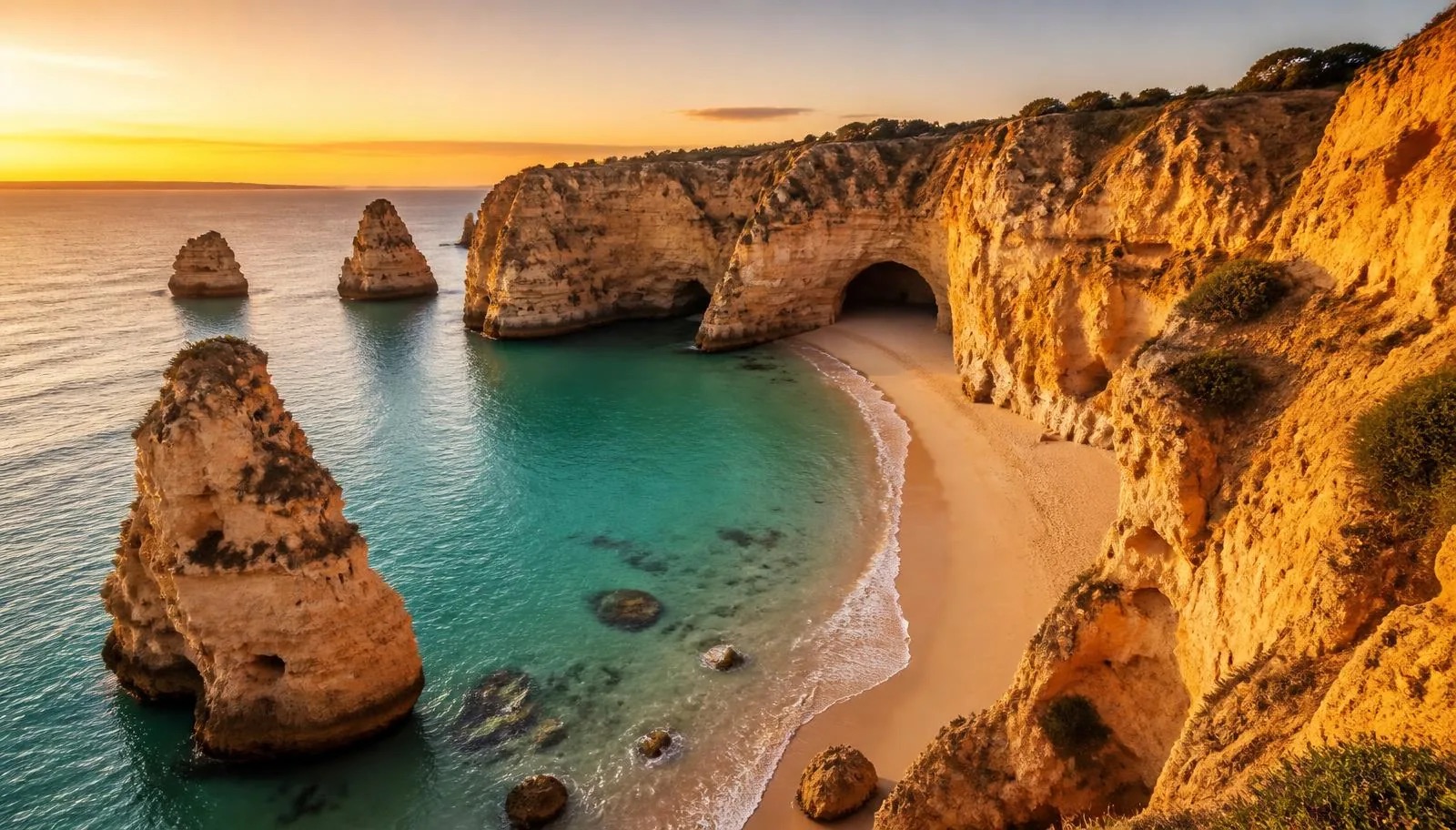
In Portugal's southernmost region, the Algarve, the wild ocean softens into warmer, turquoise waters bordered by golden sandstone cliffs, hidden coves, and natural rock arches.
- Ponta da Piedade: Located near Lagos, this headland features dramatic limestone stacks, sea arches, and hidden caves carved out by wind and tide. Small local boats and sea kayaks navigate the narrow channels between the golden rock formations.
- Benagil Sea Cave: Perhaps the most famous natural structure on the southern coast, this massive sea cave features a naturally eroded dome ceiling with a central circular skylight (the eye). Sunlight streams down onto a hidden interior beach. Since mid-2024, landing on that beach and swimming in the cave are banned; the cave can be seen from licensed boat tours or guided kayak and paddleboard tours when ocean conditions are calm.
Stepping Back in Time in Central Portugal and the Alentejo
Moving inland away from the major urban hubs reveals a tranquil landscape of historic university towns, vast agricultural plains, and well-preserved ancient ruins that span Roman, medieval, and Renaissance eras.
Coimbra University and the Roman Mosaics of Conímbriga
Perched atop a hill in central Portugal, Coimbra served as the medieval capital of the nation for over a century. Today, it is best known for the University of Coimbra, established in 1290, making it one of the oldest operating universities in the world. At its heart sits the Royal Palace and the spectacular 18th-century Joanina Library. Built in the Baroque style, the library houses thousands of rare leather-bound volumes on gilded exotic wood shelves, preserved in part by a resident colony of small bats that eat insects at night.
Just 15 kilometres south of Coimbra lies Conímbriga, one of Portugal's largest and most complete Roman settlements. Visitors can walk along exposed ancient streets to view complex subterranean heating channels, public baths, and remarkably intact floor mosaics depicting hunting scenes, ocean life, and intricate geometric patterns.
Évora, the Alentejo Plain, and Fátima
The vast Alentejo region spans nearly a third of mainland Portugal, characterised by rolling hills, ancient cork oak forests, olive groves, and whitewashed towns. The capital of the region, Évora, is an open-air museum surrounded by medieval walls.
- Roman Temple of Évora: Standing in the main square, these Corinthian granite columns date back to the 1st century AD.
- Chapel of Bones (Capela dos Ossos): Located inside the Church of St. Francis, this solemn 17th-century chapel was lined with thousands of human skulls and bones by Franciscan monks to encourage reflection on the fleeting nature of human existence.
- Sanctuary of Fátima: Located in central Portugal, Fátima is one of the world's major Catholic pilgrimage sites, centred on a grand outdoor plaza where millions gather annually to visit the Basilica of Our Lady of the Rosary.
Island Escapes: Hiking Madeira and Exploring the Azores
Beyond the mainland lie two autonomous Portuguese archipelagos floating in the Atlantic, offering dramatically different subtropical terrain, rich volcanic soil, and world-class hiking opportunities.
Madeira: Levada Walks and Jagged Peaks
Located off the coast of Northwest Africa, Madeira is a rugged volcanic island known for its dramatic topography, year-round spring climate, and lush flora. The island's signature hiking experience revolves around levadas—an extraordinary network of narrow irrigation canals constructed over centuries to channel water from the wet northern mountains down to agricultural fields in the dry south.
Paths built alongside these levadas guide hikers through ancient Laurel forests (Laurissilva), through hand-carved stone tunnels, and past vertical cliff walls draped in ferns. Higher up in the interior, mountain trails link Madeira's highest summits, such as Pico do Arieiro and Pico Ruivo, where hikers trail above cloud layers along narrow, paved ridge paths.
The Azores: Crater Lakes and Atlantic Whale Watching
Positioned roughly halfway between Europe and North America, the nine islands of the Azores archipelago offer wild, untamed volcanic landscapes, natural hot springs, and marine reserves.
- Sete Cidades (São Miguel Island): A massive volcanic crater containing two vibrant lakes—one distinctly emerald green, the other deep blue—separated by a narrow land bridge. The vista from the Vista do Rei lookout point offers one of Portugal's most incredible natural views.
- Geothermal Springs: Towns like Furnas on São Miguel feature bubbling fumaroles, mud pots, and natural warm mineral baths surrounded by lush botanical gardens.
- Whale and Dolphin Watching: The deep Atlantic waters surrounding the islands of Pico, Faial, and São Miguel are permanent habitats and migration corridors for over 20 species of cetaceans, including sperm whales, blue whales, and playful pods of common dolphins. Guided boat tours led by marine biologists offer exceptional eco-friendly wildlife encounters.
Cultural Immersion: Azulejos, Fado, and Portuguese Gastronomy
Understanding Portugal requires engaging with its unique visual, auditory, and culinary traditions. These cultural touchstones are woven seamlessly into everyday life across every region.
The Art of Azulejos and Soulful Fado Music
Glazed ceramic tiles, known as azulejos, are everywhere in Portugal. Introduced during Moorish rule and later adapted into distinctive blue-and-white hand-painted panels during the Baroque era, these tiles serve as decorative ornament and weather protection on building facades, train stations, and church interiors. Exploring the National Tile Museum in Lisbon reveals the centuries-long history of this art form, while walking through Porto's São Bento Railway Station allows you to examine thousands of tiles depicting historic battles and rural transport.
As night falls, the sound of fado fills traditional taverns in Lisbon's Alfama or Mouraria quarters, as well as the historic streets of Coimbra. Fado is a traditional musical style characterized by mournful vocals accompanied by the 12-string Portuguese guitar (guitarra portuguesa). The songs revolve around themes of loss, longing, maritime memory, and saudade—a unique Portuguese word describing a deep, bittersweet longing for someone or something that is absent.
Gastronomic Highlights to Try
Portuguese food relies on high-quality fresh ingredients, simple olive oil preparations, garlic, and fresh herbs, served in generous portions.
- Pastel de Nata: A crisp, flaky puff pastry tart filled with rich egg custard, baked at high temperatures until blistered on top, and served dusted with cinnamon and icing sugar. First crafted by monks at Jerónimos Monastery, the original recipe is still served warm at Antiga Confeitaria de Belém.
- Bacalhau (Salt Cod): The national dish, said to be cooked in over 365 different ways across the country. Popular preparations include Bacalhau à Brás (shredded cod fried with thin straw potatoes, scrambled eggs, onions, and black olives).
- Francesinha: Porto's iconic comfort dish—a hefty sandwich stacked with cured ham, fresh sausage, and steak, covered in melted cheese, sitting in a thick, hot beer-and-tomato sauce, often served topped with a fried egg and chips.
- Sardinhas Assadas: Fresh whole sardines charcoal-grilled, seasoned simply with coarse sea salt, and served atop thick slices of crusty bread or alongside roasted sweet peppers during summer festivities.
Practical Advice for Planning Your Portugal Itinerary
To make the most of your travel across Portugal, balancing transit times with region-specific seasonal conditions is key.
Getting Around efficiently
For journeys between major urban centres like Lisbon, Coimbra, and Porto, the fast CP Alfa Pendular train service is comfortable, efficient, and affordable. Local bus networks connect smaller towns in the Alentejo and central regions. However, if your plan includes exploring remote Algarve beaches, small wine estates in the Douro Valley, or mountain villages in the Serra da Estrela, renting a car offers maximum flexibility. Note that many highways use electronic-only toll systems, so ensure your rental vehicle includes an automated toll transponder.
Seasonal Considerations
Mid-summer (July and August) brings heat across the interior Alentejo region and heavy tourist crowds along the southern Algarve coast. Spring (April–June) and autumn (September–October) offer ideal conditions for walking, photography, and city sightseeing, with comfortable temperatures and manageable numbers at main attractions. Winter brings big waves to the west coast and cooler rain to the north, but remains mild and pleasant across Madeira and the Algarve.
Shaping Your Portugal Itinerary
Portugal is compact, but each region deserves its own time. Use the Alfa Pendular train between Lisbon, Coimbra and Porto, base yourself in Lisbon for Belém and a day in Sintra, and save a car for the Algarve coast, Douro wine estates and mountain villages, making sure it carries an electronic toll transponder.
For walking, sightseeing and photography, aim for April to June or September to October, when temperatures are comfortable and crowds manageable. Winter suits Madeira, the Algarve and anyone keen to watch the big swells at Nazaré. Ride Tram 28 early before the crowds build, and plan the Benagil sea cave for a day when the ocean is calm.
More Portugal guides
Lisbon Itinerary: How Many Days, Alfama, Belém, Sintra
How many days you need in Lisbon: a four-day itinerary through Alfama, Baixa and Belém, day trips to Sintra, tram tips and real daily costs.
Best Beaches in Portugal: Algarve, Atlantic, Islands
Portugal's beaches by region: Algarve sea caves, Costa Vicentina surf, Lisbon's coast, Comporta, Nazaré, Porto, Madeira and the Azores…
Portugal Travel Guide: Where to Go and When to Visit
When to go, how long to stay and how to get around Portugal, with Lisbon, Porto and the Douro, the Algarve, Alentejo, Sintra, Madeira and…