Portugal Travel Guide: Where to Go and When to Visit
When to go, how long to stay and how to get around Portugal, with Lisbon, Porto and the Douro, the Algarve, Alentejo, Sintra, Madeira and the Azores.
In this guide
- Why Travel to Portugal?
- Best Time to Visit Portugal by Season
- How Long Should You Stay in Portugal?
- Getting Around Portugal: Trains, Buses and Cars
- Lisbon: Highlights and Neighbourhoods
- Porto and the Douro Valley
- The Algarve: Southern Coastline and Beaches
- Alentejo: Rolling Hills and Historic Towns
- Sintra and the Estoril Coast
- Central Portugal: History, Surf and Mountains
- Madeira and the Azores: Island Escapes
- Food and Wine Culture in Portugal
- Practical Travel Tips: Language, Safety and Etiquette
- Sample Portugal Itineraries
- Common Mistakes to Avoid in Portugal
- Explore Portugal in Depth: My Detailed Guides
- Nearby Guides
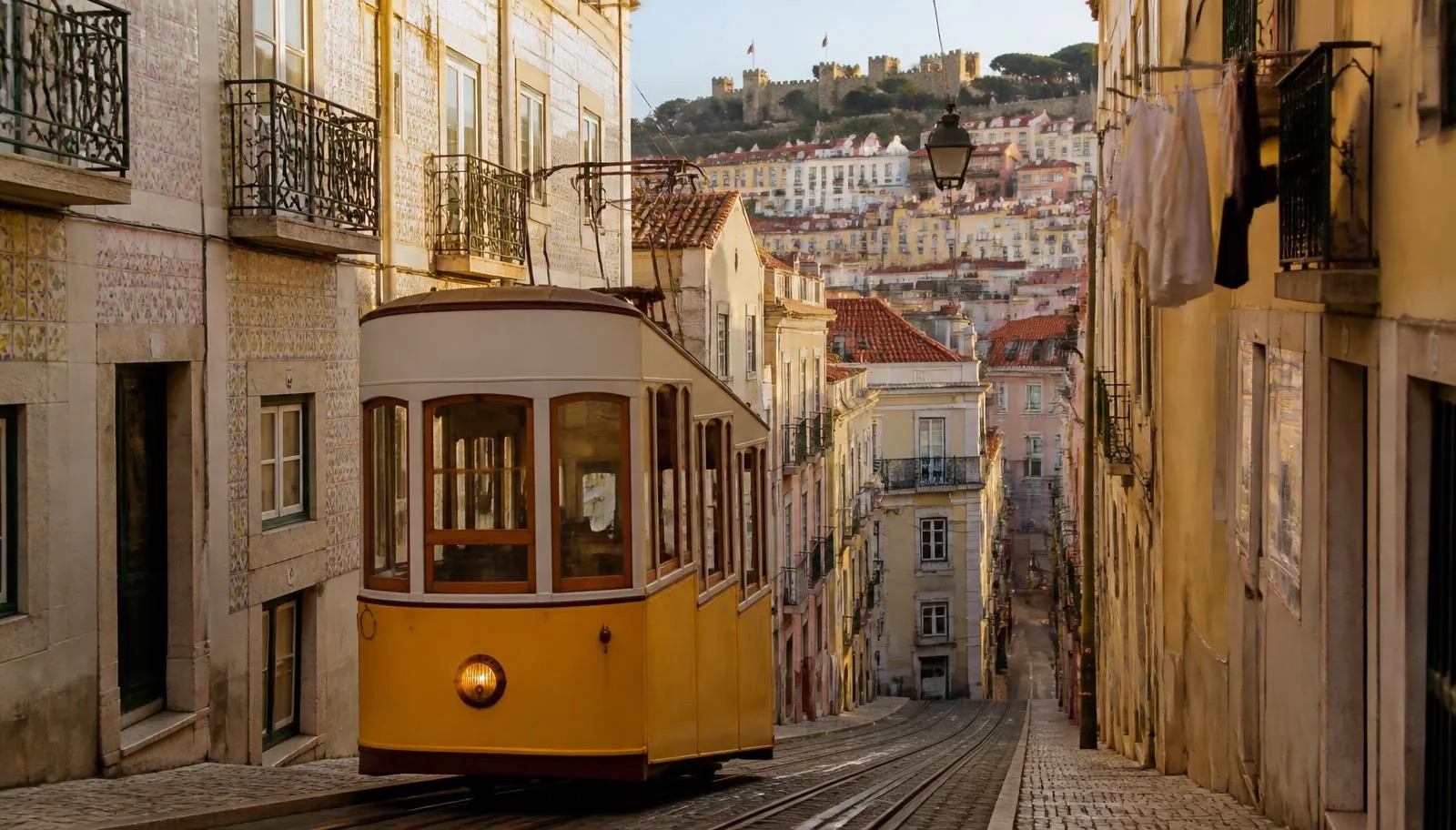
The morning light in Lisbon has a particular, pearlescent quality as it bounces off the yellow facade of a vintage tram rattling down the steep cobblestones of Alfama, while the city wakes up to salt-laced sea air, warm pastel de nata and the faint aroma of dark roasted coffee.
Portugal sits quietly on the south-western edge of the Iberian Peninsula, but it punches well above its geographic weight. Spanning dramatic Atlantic coastlines, ancient terraced river valleys, sun-baked southern plains, and volcanic islands floating far out in the ocean, this compact nation offers extraordinary variety across relatively short distances.
This practical travel guide covers its mainland provinces and offshore archipelagos, helping you navigate its distinct regions, choose the best time for your trip, decide on durations, and avoid the common pitfalls of rushing through an itinerary.
Quick Facts for Travelling to Portugal
- Capital: Lisbon (Lisboa)
- Language: Portuguese
- Currency: Euro (€)
- Plug Type: Types C and F (230V, 50Hz)
- Visa / Border Zone: Schengen Area
- Driving Side: Right-hand side of the road
- Major International Airports: Lisbon (LIS), Porto (OPO), Faro (FAO), Funchal (FNC), Ponta Delgada (PDL)
Why Travel to Portugal?
Portugal manages to balance rich maritime history with an unhurried, welcoming pace of life. Unlike some of its larger European neighbours, distances between major cultural hubs are short enough that you can watch the sunrise over Atlantic cliffs and spend the afternoon tasting fortified wines in a centuries-old cellar without spending your entire day in transit.
The country offers a remarkable diversity of landscapes. Within a three-hour drive, you can move from the granite peaks and glacial valleys of the north to the golden limestone bluffs of the south coast. Architectural enthusiasts will find intricate Manueline stonework, Moorish castles, and blue-glazed ceramic tiles (azulejos) coating urban facades, while outdoor lovers can hike coastal trails or ride Atlantic ocean swells.
Best Time to Visit Portugal by Season
Choosing when to visit depends heavily on whether you prioritize beach weather, sightseeing without crowds, or outdoor hiking. Portugal is generally a year-round destination, but weather varies significantly between the cooler, rainier north and the hot, dry south.
Spring (April to June)
Spring is arguably the finest time to explore mainland Portugal. Temperatures across the country range from comfortable to warm, wildflowers cover the rural plains of the Alentejo, and tourist crowds remain manageable. Rain is infrequent by May, making it ideal for walking urban cobblestones or hiking coastal paths like the Fishermen's Trail.
Summer (July to August)
Summer brings hot, sunny days, particularly inland and in the southern regions where temperatures frequently exceed 35°C. The coastal towns of the Algarve and the streets of Lisbon and Porto experience their peak tourist volumes. Accommodation prices reach their highest levels, and popular sight-seeing spots require booking well in advance. If you visit in summer, stick to the ocean coastlines where sea breezes soften the heat.
Autumn (September to October)
Autumn mirrors spring with warm days, diminishing crowds, and mild ocean water temperatures. September is an exceptional month for visiting the Douro Valley, as the annual grape harvest transforms the terraced hillsides into shades of gold and amber. Lower humidity makes city walking comfortable throughout October.
Winter (November to March)
Winter in Portugal is mild compared to Northern Europe, though the northern regions and central mountains receive significant rainfall and cool weather. Snow falls regularly in the high peaks of the Serra da Estrela. Southern areas like the Algarve maintain pleasant daytime temperatures, making it a popular winter refuge for long-term travellers, though some resort towns partially close down for the season.
How Long Should You Stay in Portugal?
The time you need depends on how much ground you intend to cover and whether you want to include the autonomous island regions of Madeira or the Azores.
- 7 Days: A short trip is best spent focusing on a single anchor region. The classic option is split between Lisbon (with a day trip to Sintra) and Porto, connected by high-speed rail.
- 10 to 14 Days: This is the ideal duration for a first visit to mainland Portugal. You can comfortably cover Lisbon, Sintra, Porto, the Douro Valley, and either the historic Alentejo region or the dramatic coastlines of the Algarve.
- 21 Days or More: Three weeks allows for an extensive mainland road trip covering northern national parks, central heritage cities like Coimbra and Óbidos, the southern coast, plus a flight out to either Madeira or San Miguel in the Azores.
Getting Around Portugal: Trains, Buses and Cars
Navigating Portugal is straightforward, thanks to a modern transport infrastructure connecting all major urban centres and regional hubs.
By Train
The national rail operator, Comboios de Portugal (CP), manages a reliable network. High-speed Alfa Pendular trains and regional Intercidades service connect Lisbon directly to Porto, Coimbra, and Faro in the south. Booking express train tickets a few weeks in advance often yields significant discounts compared to walk-up fares.
By Long-Distance Bus
Where train tracks do not reach, express buses step in seamlessly. Companies like Rede Expressos operate comfortable, modern long-distance coaches connecting smaller inland towns and coastal villages. Bus travel is economical, highly punctual, and often faster than regional stopping trains on secondary routes.
By Car
Hiring a car gives you ultimate flexibility, particularly when exploring rural regions like the Alentejo, stopping at isolated beaches, or navigating mountainous national parks. Portuguese highways (autoestradas) are impeccably maintained, though almost all carry electronic tolls. Ensure your hire car comes fitted with an electronic transponder (Via Verde) to handle toll payments automatically. Be prepared for very narrow streets and limited parking in historic city centres.
Island Transit
Reaching Madeira or the Azores requires a domestic flight from mainland hubs like Lisbon or Porto. Once on the islands, hiring a car is the most practical way to explore mountainous terrain and coastal viewpoints.
Lisbon: Highlights and Neighbourhoods
Spanning seven sharp hills along the northern bank of the Tagus River estuary, Lisbon is a city defined by panorama, light, and maritime heritage. Each distinct neighbourhood carries its own personality and architectural rhythm.
Alfama and Graça
Alfama is Lisbon's oldest district, having survived the catastrophic 1755 earthquake. Its labyrinth of narrow alleys, steep staircases, and laundry-strung balconies demands aimless exploration. Up the hill lies Graça, offering some of the best miradouros (viewpoints) across the city's terracotta rooftops towards the river.
Baixa and Chiado
Rebuilt on a grid system following the 1755 quake, Baixa features wide grand avenues, stone plazas, and neo-classical facades. Adjacent Chiado serves as the city's elegant shopping and cultural hub, filled with historic bookstores, theatres, and traditional cafes.
Bairro Alto and Cais do Sodré
By day, Bairro Alto is a quiet residential grid of cobbled lanes. At night, it transforms into a social street market where patrons gather outside tiny bars. Further down toward the river, Cais do Sodré has evolved from a historic dockland district into a food and nightlife quarter anchored by vibrant waterfront promenades.
Belém
Located several kilometres west along the river, Belém is ground zero for Portugal's Age of Discovery. Here you will find the UNESCO-listed Jerónimos Monastery, displaying intricate Manueline stone carving, and the fortified Belém Tower standing guard over the water.
Porto and the Douro Valley
In the northern region sits Porto, Portugal's second city, framed by the dramatic gorge of the Douro River and dominated by stone architecture, towering iron bridges, and deep-rooted wine traditions.
Exploring Porto
The heart of Porto centres around the Ribeira quarter, a waterfront tangle of pastel-hued townhouses facing the river. Crossing the double-decked Dom Luís I Bridge brings you to Vila Nova de Gaia, where the historic port wine cellars have aged fortified wines for centuries. Key sights include the azulejo-tiled concourse of São Bento Railway Station, the ornate interior of the Livraria Lello bookstore, and the imposing granite Cathedral (Sé).
Journeying into the Douro Valley
Upriver from Porto lies the Douro Valley, the world's oldest demarcated wine region. Stepped vineyard terraces carved into steep schist hillsides line the river's path. You can experience the valley by taking the scenic Douro railway line from Porto to Pinhão, cruising the river on a traditional rabelo boat, or visiting local quintas (wine estates) for tastings of port and unfortified table wines.
The Algarve: Southern Coastline and Beaches
Occupying the southernmost strip of mainland Portugal, the Algarve is world-renowned for its golden limestone cliffs, sea caves, and warm Atlantic sea temperatures.
Central and Eastern Algarve
The central coastline features dramatic rock formations, natural sea arches, and sheltered coves. Tavira, located near the eastern border, offers a far quieter pace, characterised by traditional white-washed houses, a Roman-style bridge, and access to the pristine barrier islands of the Ria Formosa Natural Park.
Western Algarve and the Atlantic Coast
Heading west past Lagos toward Sagres, the landscape becomes raw and wind-swept. This area marks the south-western extremity of continental Europe. The cliffs grow taller, the Atlantic swell picks up, and the region becomes a magnet for surfers and coastal hikers avoiding large resort crowds.
Alentejo: Rolling Hills and Historic Towns
Stretching across the south-central expanse between Lisbon and the Algarve, the Alentejo region covers roughly a third of the country but houses a fraction of its population. It is a land of vast open plains, golden wheat fields, olive groves, and cork oak forests.
Historic Enclaves: Évora and Hilltop Villages
The regional capital, Évora, is a UNESCO World Heritage site encased within medieval walls. Its streets house a remarkably preserved Roman Temple, Gothic cathedral architecture, and the famous Chapel of Bones. Further east, dramatic hilltop fortified villages like Monsaraz and Marvão overlook the surrounding plains and the border with Spain.
The Vicentina Coast
Along the western ocean edge of the Alentejo lies the Costa Vicentina, a protected natural park featuring rugged coastline, empty beaches, and fishing villages like Vila Nova de Milfontes. It offers an incredible alternative to the busier southern resort strips.
Sintra and the Estoril Coast
Located less than an hour west of Lisbon, the lush, micro-climate hills of Sintra served for centuries as a cool summer retreat for Portuguese royalty and aristocrats.
Sintra's Palaces and Parks
The UNESCO-listed cultural landscape of Sintra feels entirely distinct from the rest of the country. Dense forests conceal architectural treasures like the romanticist Pena National Palace perched atop a high peak, the Moorish Castle, and the mysterious estate of Quinta da Regaleira with its iconic underground Initiation Well. Plan to spend a full day here, arriving early by train from Lisbon to beat the day-trip crowds.
Cascais and the Coastal Route
At the base of the mountains along the Atlantic shoreline sits Cascais, a former fishing village turned seaside resort. A smooth suburban train line connects Cascais back to central Lisbon, tracing the scenic coast past sandy beaches and coastal fortresses along the Estoril shore.
Central Portugal: History, Surf and Mountains
The middle swath of the country holds significant historic milestones, high mountain wilderness, and wild ocean swells.
Coimbra and Óbidos
Coimbra hosts one of Europe's oldest continuously operating universities, perched high above the Mondego River. Its historic Joanina Library is a baroque masterpiece filled with ancient texts. To the south sits Óbidos, a classic medieval walled town whose whitewashed houses are framed by bright bougainvillea.
Nazaré and the Coast
Nazaré is a traditional fishing village famed worldwide for its monster winter surf break. An underwater canyon offshore funnels massive ocean energy, creating colossal waves that professional surfers tackle right off the headland near the historic lighthouse. In summer, the town transforms back into a relaxed beach enclave.
Serra da Estrela
Inland towards the eastern border, the Serra da Estrela mountain range contains Portugal's highest mainland peak (Torre). It offers dramatic glacial valleys, granite boulders, local mountain cheese-making traditions, and scenic hiking trails across rugged high-altitude terrain.
Madeira and the Azores: Island Escapes
Portugal's Atlantic archipelagos offer entirely different topographies for travellers willing to take a short flight beyond the mainland.
Madeira
Situated off the coast of Northwest Africa, Madeira is a subtropical island defined by dramatic vertical relief, volcanic cliffs, and lush vegetation. Hikers flock to the island to walk along the levadas—an extensive historical irrigation canal network carved directly into mountain walls—and to take in panoramic views from high peaks like Pico do Arieiro.
The Azores
Lying roughly midway across the northern Atlantic, the nine volcanic islands of the Azores represent a quiet sanctuary of nature. Expect bright emerald green pastures, crater lakes (such as Sete Cidades on São Miguel), geothermal hot springs, and world-class opportunities for whale watching and sea kayaking.
Food and Wine Culture in Portugal
Portuguese cuisine is honest, unpretentious, and anchored by high-quality regional ingredients, freshly caught seafood, and centuries of maritime spice trade influence.
Iconic Dishes and Sweets
- Bacalhau (Salt Cod): Locals famously state there are 365 ways to prepare salt cod—one for every day of the year. Popular iterations include Bacalhau à Brás (shredded cod cooked with scrambled eggs, crispy matchstick potatoes, and black olives).
- Sardinhas Assadas: Fresh sardines grilled whole over charcoal, seasoned simply with coarse sea salt, and served on top of thick slices of crusty corn bread (broa).
- Pastel de Nata: The famous egg custard tart featuring crisp, flaky pastry and a caramelized top, best enjoyed warm with a dust of cinnamon and powdered sugar.
- Petiscos: Portugal's answer to tapas—small plates designed for sharing, featuring cured meats, local cheeses, marinated octopus, and garlic prawns.
Wine Regions
Beyond the internationally renowned fortified Port wine of the Douro, Portugal produces exceptional dry table wines. Try crisp, low-alcohol Vinho Verde from the cool north-western Minho region, bold and tannic reds from the Dão, or rich, sun-ripened red blends from the Alentejo plains.
Practical Travel Tips: Language, Safety and Etiquette
Language
The official language is Portuguese. While staff in hotels, restaurants, and tourist sites in major cities speak excellent English, learning basic Portuguese greetings goes a long way with locals. Note that while Portuguese shares Latin roots with Spanish, addressing locals in Spanish can be seen as slightly impolite—it is far better to politely ask if they speak English ("Fala inglês?") or use simple Portuguese phrases.
Safety
Portugal consistently ranks among the world's safest countries. Violent crime is extremely rare. In tourist-heavy areas like Lisbon's Tram 28 route, crowded metro stations, or popular beach areas, stay vigilant against pickpocketing, which remains the most common nuisance.
Tipping and Payments
Tipping in Portugal is discretionary rather than mandatory. In casual cafes or casual taverns (tascas), leaving spare small change is customary. In mid-to-high-tier restaurants, leaving 5% to 10% for good service is appreciated. Contactless card payments are widely accepted, but carrying a small amount of cash is essential for tiny rural shops, public transport fares, or small bakeries.
Sample Portugal Itineraries
Here are three realistic frameworks to help structure your itinerary based on available travel days.
Option 1: The Express Highlights (7 Days)
- Days 1–3: Lisbon (Explore Alfama, Baixa, and take a day trip to Sintra).
- Day 4: High-speed train north to Porto. Afternoon walking tour of Ribeira.
- Days 5–6: Porto (Cellar tours in Gaia, day trip by train into the Douro Valley).
- Day 7: Return to Lisbon or fly out directly from Porto Airport.
Option 2: The Classic Grand Tour (14 Days)
- Days 1–4: Lisbon, Belém, and Sintra.
- Days 5–6: Pick up hire car, explore Óbidos, Nazaré, and Coimbra.
- Days 7–9: Porto and a two-day excursion into the Douro Valley.
- Days 10–13: Head south to the Alentejo plain or the beaches of the Algarve.
- Day 14: Return to Lisbon for departure.
Option 3: Nature and Islands (21 Days)
- Combine the 14-day mainland classic route above with a short domestic flight out to Funchal (Madeira) or Ponta Delgada (Azores) for 5 to 7 days of coastal hiking, volcanic landscapes, and outdoor exploration.
Common Mistakes to Avoid in Portugal
To ensure a smooth trip, keep these common missteps in mind while planning:
- Underestimating Footwear Needs: Portuguese streets are paved with slippery, uneven stone calcada cobblestones. Leave high heels or flimsy flat-soled dress shoes behind and opt for sturdy walking shoes with good grip.
- Overpacking the Itinerary: Trying to visit Lisbon, Porto, the Algarve, Madeira, and central historic sites within a single week leads to exhaustion. Focus on quality over geographic quantity.
- Assuming Couvert Items Are Free: When sitting down at a restaurant, servers will often place bread, olives, cheese, or paste spreads on your table. These are not free samples; if you eat them, you will see a small charge added to your final bill. If you don't want them, simply leave them untouched.
- Ignoring Toll Systems on Highways: Driving on electronic toll roads without a Via Verde transponder can lead to complex administrative fines later. Always opt for the transponder when renting a car.
Explore Portugal in Depth: My Detailed Guides
This guide is the overview. When you are ready to plan a specific part of the trip, these deep-dives go further, and each one links back here:
Portugal city guides
Things to do and beaches
- Things to Do in Portugal: The Experiences Worth Planning a Trip Around
- Best Beaches in Portugal: Algarve Cliffs, Atlantic Surf and Island Sand
Nearby Guides
More Portugal guides
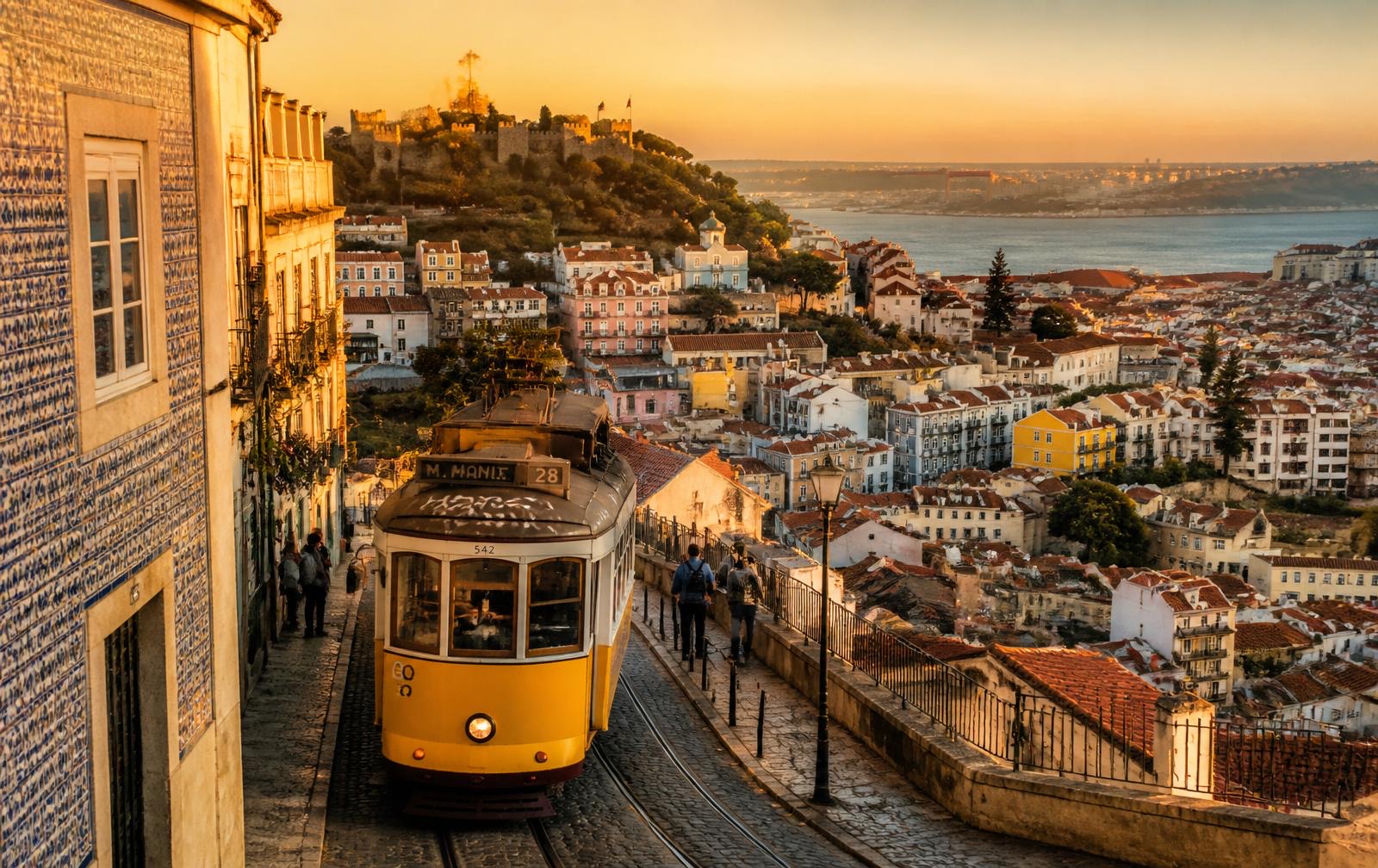
Lisbon Itinerary: How Many Days, Alfama, Belém, Sintra
How many days you need in Lisbon: a four-day itinerary through Alfama, Baixa and Belém, day trips to Sintra, tram tips and real daily costs.
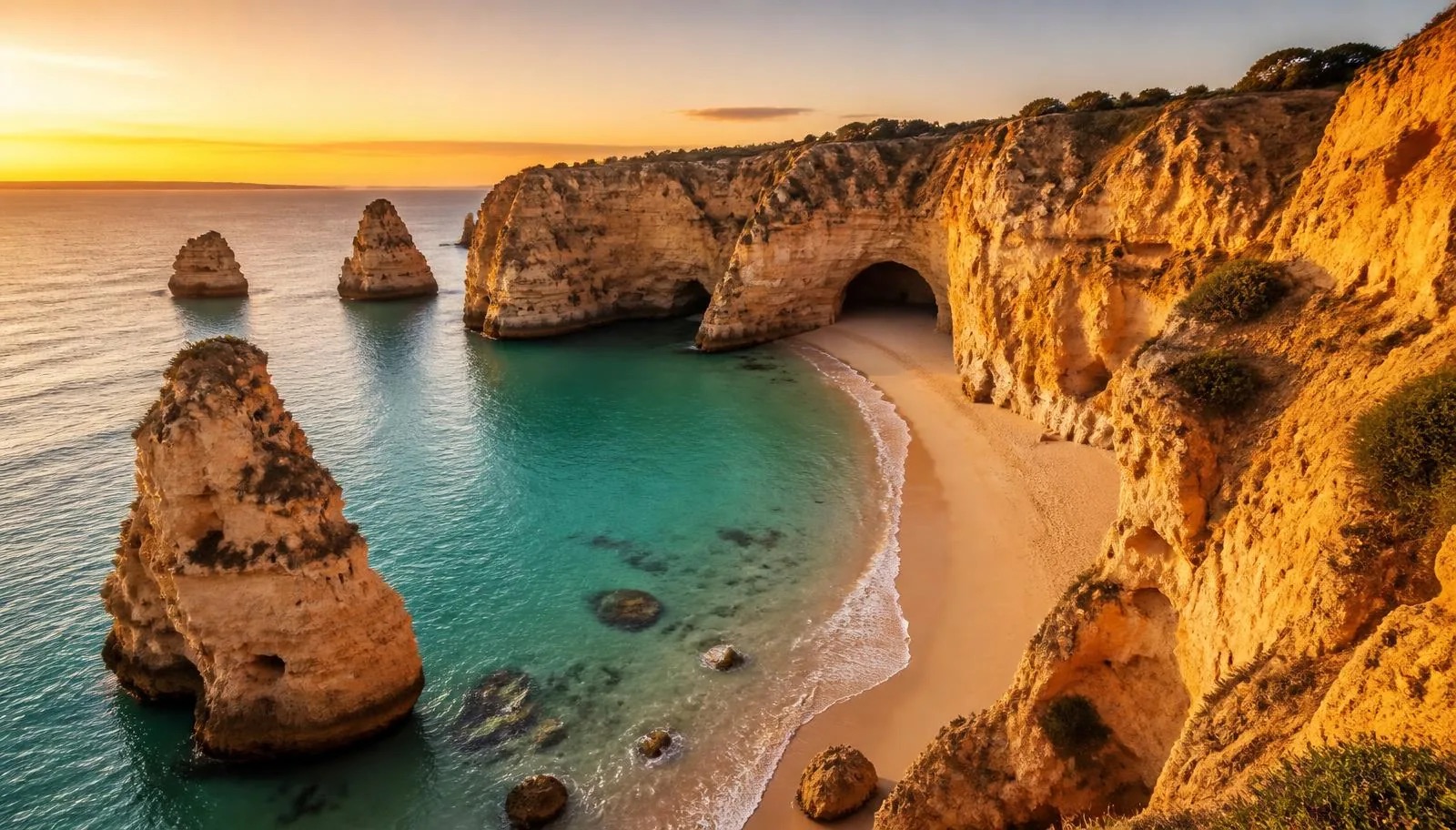
Best Beaches in Portugal: Algarve, Atlantic, Islands
Portugal's beaches by region: Algarve sea caves, Costa Vicentina surf, Lisbon's coast, Comporta, Nazaré, Porto, Madeira and the Azores…
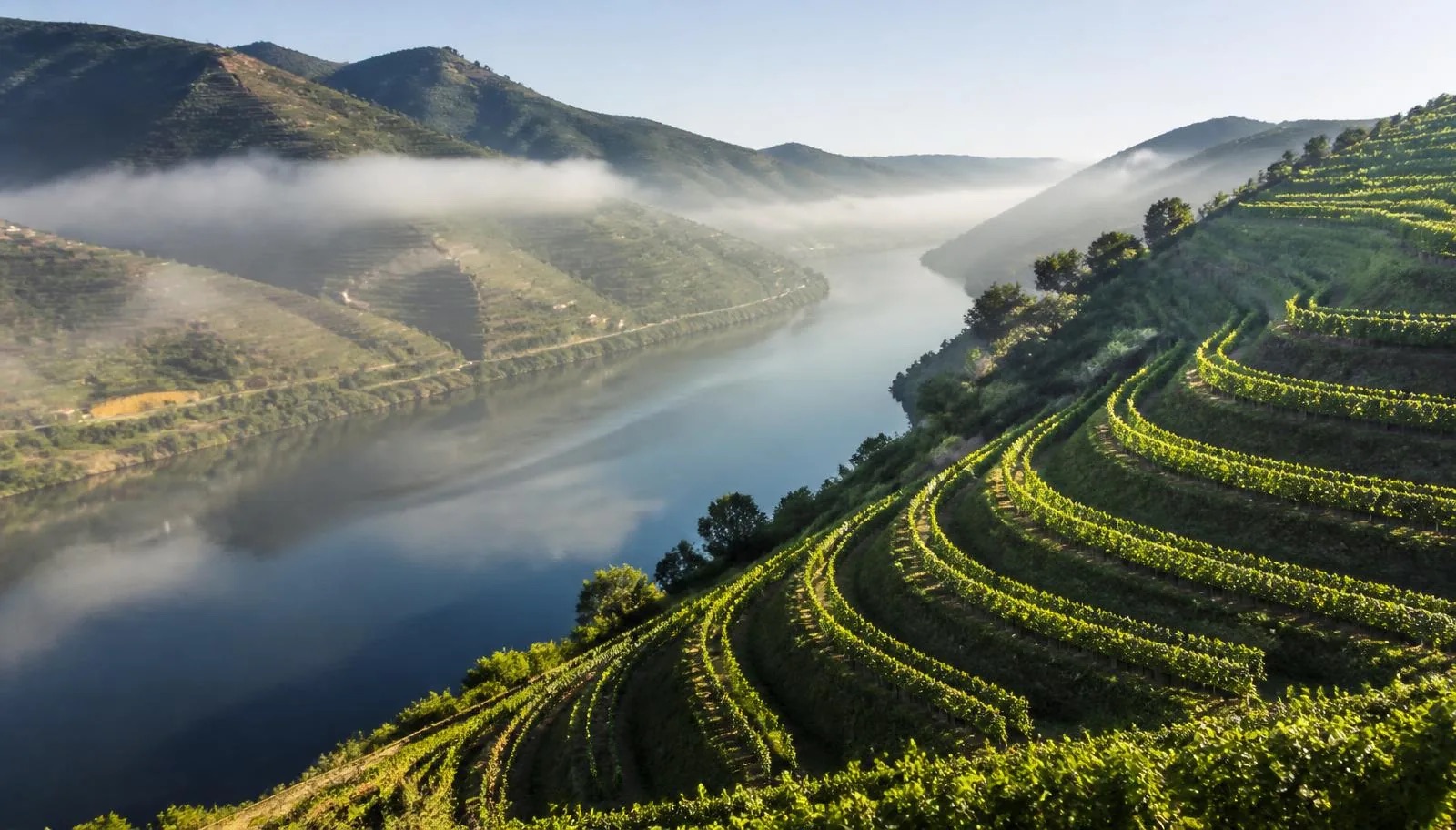
Things to Do in Portugal: Experiences Worth the Trip
Lisbon's neighbourhoods, Sintra, Porto and the Douro Valley, surfing the Atlantic coast, the Alentejo, Madeira and the Azores, fado, tiles…