Best Castles in the Czech Republic: Where to Go
Hrad or zámek? A guide to Czech castles and châteaux — Prague Castle, Karlštejn, Hluboká, Lednice-Valtice, Pernštejn and Loket — and how to reach each by train.
In this guide
- Quick Facts: Czech Castles and Châteaux
- Understanding Czech Strongholds: Hrad vs Zámek
- Prague and Central Bohemia: Royal Crown Jewels
- South Bohemian Masterpieces
- Moravian Fortresses and Palaces
- Fairytale Northern and Western Jewels
- Day Trip Comparison: Prague and Brno Hubs
- Practical Tips for Castle Exploration
- Final Thoughts on Czechia’s Castles
This guide is part of our Prague Itinerary: 3 Days of Old Town, Castle and Beer — start there for the overview, when to go and how to get around.
Pernštejn Castle sits deep in the forested hills of Moravia, its towering whitewashed stone walls and keep seemingly untouched by the modern world. Strongholds like this show that the Czech Republic does not merely preserve its history—it cradles it in thousands of hilltop strongholds and opulent forest estates.
The Czech landscape boasts one of the highest concentrations of historic castles and aristocratic châteaux anywhere on the planet. From medieval fortresses clinging to granite crags above roaring rivers to candy-pink Renaissance manor houses floating in tranquil hunting parks, this country feels like a living anthology of European romance. Whether you are exploring the vast courtyards overlooking Prague's orange-tiled rooftops or straying far off the beaten track into the Moravian countryside, these stone sentinels capture the imagination like nowhere else on Earth.
This guide goes beyond the familiar postcards of Prague. It explains the critical distinction between defensive castles and leisure châteaux, decodes the magnificent evolution of European architecture across the regions, and maps out the absolute finest fortresses and palaces across Bohemia and Moravia, complete with practical transit advice for turning these visions into reality.
Quick Facts: Czech Castles and Châteaux
- Total Density: The Czech Republic houses over two thousand recorded castles, châteaux, and fortress ruins.
- Linguistic Distinction: A defensive fortress is a hrad, whereas an unfortified manor or residential palace is a zámek.
- UNESCO World Heritage Sites: Prague Castle, Český Krumlov, Lednice-Valtice, Kroměříž, and Litomyšl are all UNESCO-listed.
- Interior Access: Interior state rooms across almost all Czech castles can only be visited on guided tours led by professional docents.
- Seasonal Calendar: Main sightseeing season runs from May through October; limited winter openings exist for major sites like Prague, Český Krumlov, and Hluboká.
- Primary Transport: The Czech rail network (České dráhy) and regional bus lines connect virtually every castle town to Prague or Brno.
Understanding Czech Strongholds: Hrad vs Zámek
To navigate the Czech country landscape like a seasoned traveller, you must first master two essential Czech words: hrad and zámek. While English speakers tend to throw the word "castle" around for everything built of stone, the Czech language makes a firm and precise distinction based on function, architecture, and history.
A hrad is a classic medieval castle built specifically for defence. Positioned on high rocky outcrops, bend-of-the-river bluffs, or strategic mountain passes, a hrad features thick stone walls, arrow slits, drawbridges, moats, and tall keeps. They were constructed between the 12th and 15th centuries when military security was paramount. Think of drafty, imposing halls, spiral staircases designed to hinder right-handed sword arms, and sweeping defensive views over the countryside.
A zámek (plural zámky), on the other hand, translates directly to château or palace. As artillery rendered ancient stone fortresses military obsolete during the Renaissance and Baroque eras, noble families abandoned their drafty hilltops. They built extravagant, unfortified countryside retreats surrounded by manicured gardens, hunting reserves, and ornamental lakes. A zámek prioritises light, symmetry, comfort, and sheer display of wealth, featuring grand ballrooms, gilded stuccowork, and sprawling art galleries.
Architectural Eras Across Czechia
When wandering through these grand structures, you will witness three distinct architectural movements overlapping in stone:
- Gothic (12th–15th Century): Defined by steep vaulted ceilings, pointed arches, massive stone ramparts, and austere living spaces. Look for raw timber fittings, dark ribbing, and defensive towers designed for survival during feudal conflicts.
- Renaissance (16th Century): Characterised by arcade courtyards, symmetrical facades, bright plasterwork, and intricate sgraffito—a technique where dark plaster is scraped away beneath a white layer to create stunning optical illusions of three-dimensional stone blocks.
- Baroque & Neoclassical (17th–19th Century): Marked by dramatic grandeur, painted ceiling frescoes, gilded stucco ornaments, vast French-style formal gardens, and romantic Tudor-Gothic reconstructions carried out by 19th-century aristocrats inspired by chivalric tales.
Tour Logistics and Seasonal Routines
It is important to understand how castle visits function in the Czech Republic. While grounds, courtyards, and exterior parks are often open freely to wander, castle interiors are almost exclusively accessible via mandatory guided tours. These tours run on strict schedules with timed entry tickets. Most major castles offer tours in English, though in quieter rural regions, you may join a Czech-language group while carrying a printed English text translation provided at the ticket desk.
Seasonality is another crucial factor. The traditional castle season begins on 1 April and runs through 31 October. During peak summer (July and August), sites operate six or seven days a week. In April, May, September, and October, many regional castles close on Mondays. During the deep winter months (November through March), smaller rural fortresses completely shutter their interiors to prevent heating damage to fragile antiques, though grounds remain open. Major flagships such as Prague Castle, Český Krumlov, Hluboká, and Loket remain active year-round with modified schedules.
Prague and Central Bohemia: Royal Crown Jewels
Prague Castle (Pražský hrad)
Dominating the skyline from high above the Vltava River, Prague Castle is recognised by the Guinness Book of Records as the largest ancient castle complex in the world. Founded in the 9th century, this immense citadel spans nearly seven hectares and serves as both the historic seat of Bohemian kings and the official office of the Czech President.
Walking through the castle gates feels like entering a miniature city enclosed by fortified walls. At its beating heart stands the soaring Gothic St. Vitus Cathedral, whose dark gargoyles and intricate stained-glass windows—including a dazzling panel created by Art Nouveau master Alphonse Mucha—dominate the central courtyard. Beside it lies the Old Royal Palace, home to the magnificent Vladislav Hall, an architectural marvel featuring soaring late-Gothic rib-vaulted ceilings that once hosted indoor jousting tournaments.
Do not miss Golden Lane, a picturesque row of tiny, colourful 16th-century houses tucked directly against the northern ramparts. Originally built to house castle marksmen and later inhabited by goldsmiths and literary icons like Franz Kafka, these cottages offer an intimate glimpse into historic castle life. Reaching the complex is seamless: take the local tram line directly up the hill to the castle stop, or enjoy a scenic climb up the Old Castle Stairs directly from the Malostranská metro station.
Karlštejn Castle
Perched dramatically atop a sheer limestone cliff surrounded by dense oak forests, Karlštejn Castle is perhaps the quintessential image of a medieval Czech fortress. Built in 1348 by Holy Roman Emperor Charles IV, Karlštejn was designed not as a royal residence, but as a high-security vault for the Imperial Regalia, holy relics, and the Bohemian Crown Jewels.
The interior architecture reflects this sacred purpose, ascending in layers of increasing holiness up the hillside. The pinnacle of the castle is the formidable Great Tower, inside which lies the Chapel of the Holy Cross. The walls of this sacred sanctuary are lined with over two thousand semi-precious polished stones, polished gold leaf, and 129 original panel paintings rendered by Master Theodoric, creating the feeling of stepping inside a heavenly treasure chest.
Karlštejn makes for an ideal, effortless day trip from the capital. Frequent direct commuter trains depart from Prague's Main Station (Hlavní nádraží), following the picturesque Berounka River valley and arriving at Karlštejn village in roughly forty minutes. From the station, a pleasant, pedestrianised uphill path winds through a bustling village lined with traditional Czech taverns up to the castle gates.
Konopiště Château
Nestled in serene rolling countryside south of Prague, Konopiště offers a fascinating shift from medieval defence to the tragic twilight of the Habsburg Empire. Originally constructed in the 13th century as a French-style fortress complete with round towers and a drawbridge, Konopiště was completely overhauled in the late 19th century by Archduke Franz Ferdinand of Austria—the heir to the Austro-Hungarian throne whose assassination in Sarajevo sparked the First World War.
Franz Ferdinand transformed Konopiště into a luxurious hunting lodge and family home, installing state-of-the-art late-Victorian technology, including one of Europe's earliest residential electric lifts, modern plumbing, and an indoor shooting range. The archduke was an obsessive hunter, and the château walls display tens of thousands of preserved hunting trophies alongside one of Europe's largest private collections of historic arms and armour.
The surrounding grounds are equally captivating, featuring a sprawling Rose Garden adorned with classical Italian marble statues and a scenic lake inhabited by swans. Reaching Konopiště is straightforward: direct regional trains travel regularly from Prague to the nearby town of Benešov, from where a short local bus or a pleasant thirty-minute walk through the forested park brings you to the estate.
Křivoklát Castle
Deep within the UNESCO-protected biosphere reserve of the Křivoklátsko region lies Křivoklát Castle, one of the oldest and most important hunting castles of the Czech kings. Tucked out of sight within dense beech and oak forests above a winding stream, Křivoklát oozes dark, atmospheric medieval history.
Unlike castles that underwent grand Baroque face-lifts, Křivoklát preserves its raw, moody Gothic character. Highlights include its formidable round defensive tower, a beautifully preserved late-Gothic chapel with carved wooden figures, and a extensive library containing over twenty thousand historic volumes. The castle also holds a grimmer claim to fame: its lower dungeons and torture chambers were used to imprison high-profile political captives, including the famed Renaissance alchemist Edward Kelley.
To reach Křivoklát using public transit, take a regional train from Prague toward Beroun, transferring to a scenic local branch line that follows the Berounka River directly to Křivoklát station. The castle sits just a short walk up from the small village stop.
South Bohemian Masterpieces
Český Krumlov Castle
Sprawled across a high rocky ridge around which the Vltava River loops three separate times, Český Krumlov Castle is nothing short of breathtaking. Second in size only to Prague Castle within the Czech Republic, this vast complex is a magnificent tapestry of Gothic, Renaissance, and Baroque construction that looks as though it was lifted straight from a fairytale book.
The castle's iconic feature is its slender, round tower painted in vivid pastel shades of pink, yellow, and green, featuring delicate Renaissance arcades that offer stunning panoramic views over the red-roofed UNESCO town below. Crossing the deep castle moat—where a family of brown bears has been kept in traditional fashion for centuries—you enter courtyards adorned with brilliant sgraffito murals.
The crown jewel of the interior is the legendary Baroque Theatre, constructed in the 18th century. It stands as one of the world's best-preserved original Baroque playhouses, complete with its original wooden stage machinery, painted backdrops, sliding scenery, and prop sound-effect machines. Direct express buses and comfortable long-distance trains depart regularly from Prague, reaching Český Krumlov in approximately two and a half to three hours.
Hluboká nad Vltavou Château
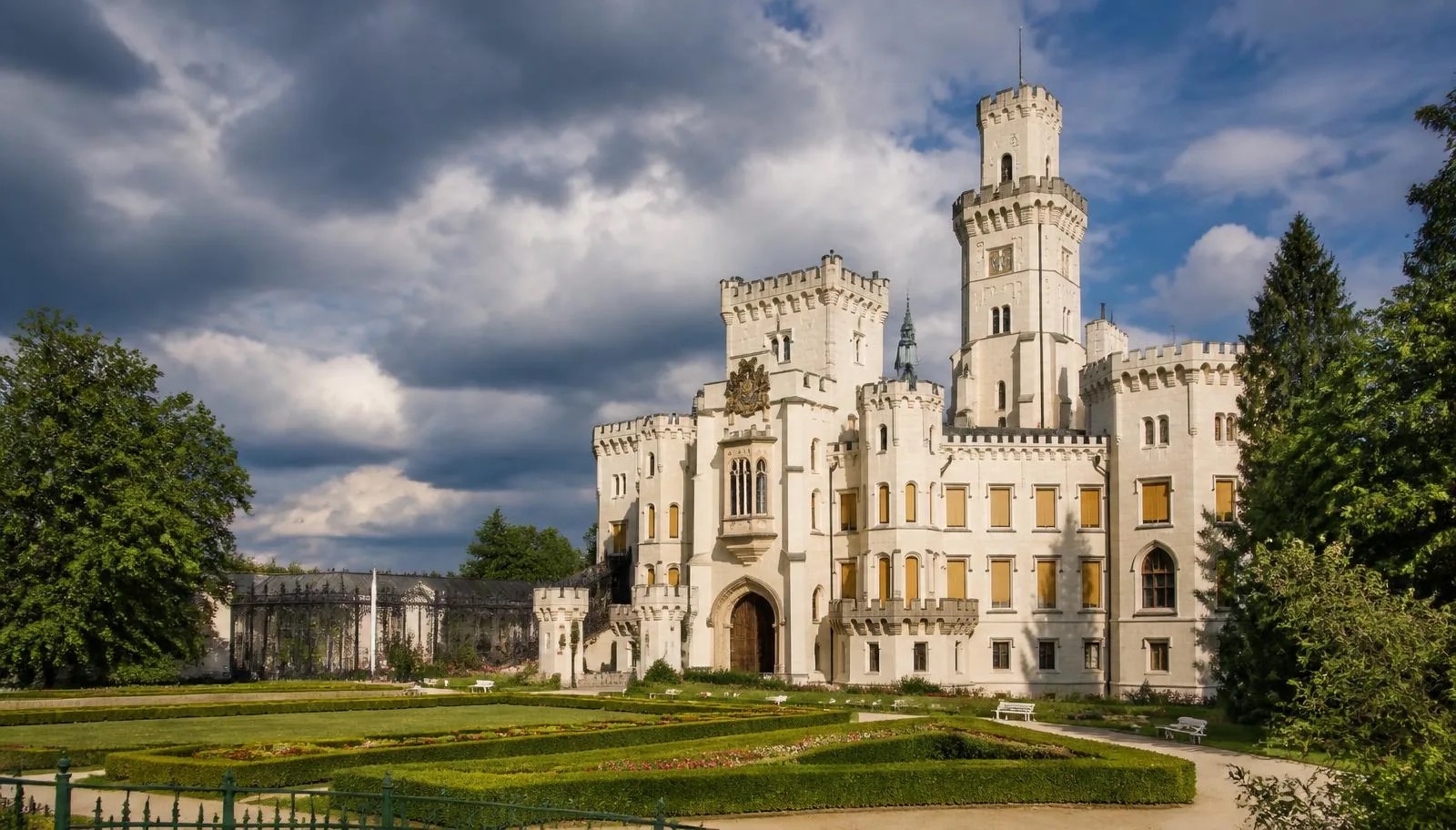
If Český Krumlov represents authentic Renaissance drama, Hluboká Château is the absolute height of 19th-century romantic fantasy. Standing gleaming white against lush green lawns above the Vltava River, Hluboká was completely remodelled in the mid-1800s by the wealthy Schwarzenberg family, who modeled its design directly after England's Windsor Castle.
The exterior boasts intricate crenellations, romantic watchtowers, delicate ironwork, and striking white stone facades adorned with the Schwarzenberg coat of arms. Inside, no expense was spared: the state rooms feature jaw-dropping hand-carved dark wood wall paneling, cassette ceilings, shimmering Bohemian crystal chandeliers, and rare Flemish tapestries.
Surrounding the château is a vast English-style landscape park, perfect for leisurely afternoon strolls along tree-lined avenues. Travelers can easily reach Hluboká by taking a direct train from Prague to the regional capital of České Budějovice, followed by a quick ten-minute regional bus ride directly to the town foot of the château hill.
Zvíkov Castle and Orlík Château
Located in northern South Bohemia where the Vltava and Otava rivers meet, Zvíkov Castle and Orlík Château form a dramatic historical pair long connected by water and legend.
Zvíkov Castle, often called the "King of Czech Castles," occupies a steep, isolated rocky promontory over the water. Founded in the 13th century, it retains an exceptionally raw, austere medieval ambiance. Its central courtyard features double-tiered Gothic arcades, while the ancient King’s Tower offers stark views across the surrounding forests and reservoir. Local folklore claims the castle is haunted by a mischievous imp who torments overnight guests.
Just a short distance upstream sits Orlík Château, perched on a rock that once soared high above the river, though modern damming has brought the water right to its base. Originally a Gothic fort, Orlík was transformed into a white, Neogothic residential palace surrounded by a sweeping romantic park. Visiting both in a single day is a popular summer excursion; during July and August, passenger ferry boats operate regular scenic cruises along the lake connecting the two sites. Regional buses from Prague run directly to the nearby villages of Orlík nad Vltavou and Zvíkovské Podhradí.
Moravian Fortresses and Palaces
Lednice-Valtice Cultural Landscape
In the sun-drenched wine country of southern Moravia lies the Lednice-Valtice Cultural Landscape, a massive UNESCO World Heritage site often described as the "Garden of Europe." Covering nearly 300 square kilometres, this extraordinary estate was crafted over centuries by the Dukes of Liechtenstein, who transformed the entire countryside into an interconnected, romantic parkland studded with twin monumental châteaux and whimsical architectural follies.
Lednice Château is a dazzling romantic masterpiece built in the ornate Neo-Gothic Tudor style. Its interior features breathtaking carved timber features—including a famous spiral staircase carved from a single block of oak without using a single nail—and leads directly out to a massive cast-iron greenhouse filled with tropical flora. From the formal gardens, visitors can take solar-powered boat rides along man-made canals to a 60-metre-tall Turkish-style Minaret tower offering views stretching all the way to Austria.
A few kilometres away stands Valtice Château, a grand Baroque residence serving as the historic main seat of the Liechtenstein family. Beneath Valtice's expansive courtyards lie vast, vaulted brick wine cellars housing the National Wine Centre of the Czech Republic. Reaching the region requires a direct train from Prague or Brno to Břeclav, followed by a quick local train or bus link to Lednice or Valtice.
Kroměříž Archbishop's Palace
Located in eastern Moravia, the Kroměříž Archbishop's Palace is a towering triumph of high Baroque architecture. Served for centuries as the summer residence of the Bishops and Archbishops of Olomouc, this magnificent complex showcases the immense historical wealth and cultural power of the Church in Central Europe.
The interior state rooms are among the most opulent in the country, featuring the vast Assembly Hall, whose ceiling is adorned with exquisite frescoes illuminated by 22 crystal chandeliers. The palace gallery holds an extraordinary collection of European paintings, including Titian's celebrated masterpiece, The Flaying of Marsyas.
Equally famous are the palace gardens. The Flower Garden (Květná zahrada), located a short walk from the main building, is a pristine, perfectly preserved 17th-century Baroque garden featuring geometrically clipped hedges, classical statues, a long arcade gallery, and a grand central rotunda. Direct regional trains connect Kroměříž smoothly to the nearby hubs of Olomouc and Brno.
Pernštejn Castle
Rising like a dark, impenetrable phantom from a dense Moravian forest, Pernštejn Castle is widely regarded as one of the finest, most authentic medieval strongholds in Europe. Built in the 13th century by the powerful Lords of Pernštejn, this fortress was so cleverly designed and heavily fortified that it was never once breached by enemy forces over its entire eight-hundred-year existence.
The castle's unique aesthetic comes from its gradual, organic growth. As extra defensive rings were added over the centuries, upper stories were built outward on cantilevered stone supports, creating top-heavy, brooding towers. The walls are constructed from local dark stone interspersed with white Nedvědice marble, giving the fortress a distinct, mottled texture.
Inside, Pernštejn retains its original medieval character, with narrow spiral stairways, vaulted halls covered in ancient soldier graffiti, and a complete absence of modern alterations. To reach Pernštejn, take a regional train from Brno toward Nedvědice; from Nedvědice station, a well-marked two-kilometre walking trail leads through pleasant woodland up to the castle gates.
Špilberk Castle (Brno)
Dominating a hilltop directly above the city centre of Brno, Špilberk Castle carries a dramatically darker history than its aristocratic counterparts in the countryside. Founded in the 13th century as a royal castle, Špilberk was transformed during the 17th and 18th centuries into a massive Baroque citadel and military fortress.
Under the Austrian Empire, Špilberk earned an infamous reputation as the "Prison of Nations"—a fearsome, maximum-security subterranean prison where political dissidents, Italian revolutionaries, Polish rebels, and dangerous criminals were incarcerated in cold, damp brick casemates built directly into the thick defensive bastions.
Today, visitors can descend into these gloomy underground casemates to experience the harsh reality of historical prison life, or explore the upper castle structures which house the Brno City Museum. The surrounding parklands offer leafy walking paths and sweeping views over Moravia's largest city. Špilberk is easily accessible on foot from anywhere in central Brno.
Telč Château
Situated in the southern highlands of Moravia, the town of Telč feels like a place frozen in time. The entire town centre—a narrow spit of land surrounded by clear fishponds—is a UNESCO World Heritage site, famous for its long, fairytale main square lined with pastel Renaissance townhouses.
At the northern end of this square sits Telč Château, an exquisite example of Italian Renaissance architecture adapted to Northern European tastes. Originally a Gothic fort, the château was transformed in the 16th century by Italian architects hired by noble Zachariáš of Hradec. The interior features spectacular wooden cassette ceilings, including the Golden Hall with its carved, gilded relief medallions, and the African Hall displaying exotic trophies from 19th-century expeditions.
Regular regional bus services connect Telč directly to nearby transport hubs such as Jihlava, Brno, and České Budějovice, making it a peaceful, unhurried stop along Southern Moravian travel routes.
Fairytale Northern and Western Jewels
Bouzov Castle
If you were to ask a Czech child to draw a medieval castle, they would undoubtedly draw Bouzov Castle. Hidden in the rolling forests of Central Moravia near Olomouc, Bouzov features sweeping red-tiled roofs, drawbridges, decorative turrets, and a towering 58-metre-high central keep.
Though its roots trace back to the 14th century, Bouzov owes its striking modern appearance to an extensive romantic reconstruction carried out at the turn of the 20th century by the Order of Teutonic Knights. The Grand Master of the Order transformed the ruin into a summer residence, meticulously blending medieval Gothic features with modern turn-of-the-century luxury.
Because of its pristine, picture-perfect look, Bouzov is the most popular filming location for Czech fairytale movies and international film productions. Reaching Bouzov via transit requires taking a regional train from Olomouc to Mohelnice, followed by a short local bus ride to Bouzov village.
Trosky Castle and Bohemian Paradise
Rising dramatically above the pinewood forests and sandstone rock towers of the Bohemian Paradise (Český ráj) region, Trosky Castle is one of the most recognizable and striking castle ruins in Europe. Constructed in the late 14th century, Trosky was built on the jagged remnants of two ancient basalt volcanic plugs.
On the lower, broader basalt crag stands the wider, stockier tower known as Baba (the Crone), while on the higher, needle-thin peak stands the taller, slender tower called Panna (the Maiden). Between these two natural stone towers, medieval builders constructed high stone curtain walls and residential palaces, creating an unassailable fortress that survived numerous sieges during the Hussite Wars.
Though the central halls now lie in ruins, visitors can climb wooden staircases built into both towers to take in breathtaking 360-degree panoramas across the forested gorges of Bohemian Paradise. Direct regional trains run from Prague to the nearby towns of Turnov or Jičín, from where local trains stop at Ktová or Rovensko pod Troskami, both within hiking distance of the ruins.
Sychrov Château
Located in Northern Bohemia, Sychrov Château serves as a vivid piece of French aristocratic heritage transported onto Czech soil. Following the French Revolution, the French noble Rohan family fled their homeland and purchased the estate, converting the older manor house into a magnificent Neo-Gothic residence.
Sychrov's interior is renowned for its extraordinary carved woodwork, executed by master Czech craftsman Petr Bušek, whose intricate designs cover wall panels, doors, and furniture across every room. The château also holds the largest collection of French portrait paintings in Central Europe and features strong musical history links: famed Czech composer Antonín Dvořák visited frequently, drawing inspiration from the tranquil estate grounds.
A expansive English landscape garden surrounds the château, complete with romantic stone bridges, an artificial ruin, and a grand Orangerie. Sychrov is easily reached by train from Prague via Turnov, with the village railway station located a pleasant fifteen-minute walk from the château gates.
Litomyšl Château
Situated in Eastern Bohemia, Litomyšl Château is a supreme example of arcade Renaissance architecture that earned inclusion on the UNESCO World Heritage list. Built in the late 16th century, Litomyšl is celebrated worldwide for its stunning facade, which is entirely covered in over eight thousand individual pieces of envelope-patterned sgraffito plasterwork, no two of which are identical.
The château features a spacious central courtyard surrounded on three sides by three tiers of elegant open arcades. Inside, visitors can explore historic living quarters, an elaborate private château theatre built in the 18th century with original stage sets, and vast subterranean vaulted wine cellars housing modern sculptures by famous Czech artist Olbram Zoubek.
Litomyšl is also the birthplace of Bedřich Smetana, the founding father of Czech classical music, who was born in the former brewery building directly inside the château courtyard. Direct express buses connect Litomyšl regularly to Prague and Hradec Králové.
Loket Castle
Crowning a sheer granite outcrop hugged closely on three sides by the bend of the Ohře River, Loket Castle takes its name from the Czech word for "elbow" (loket), describing the dramatic curve of the waterway surrounding it. Located just a short distance from the famous spa city of Karlovy Vary in Western Bohemia, Loket is a massive 12th-century stone fortress that feels completely detached from the modern world.
Loket's dark stone ramparts, thick walls, and high keep preserved their rugged, authentic medieval air. Inside, visitors can explore extensive displays of local porcelain, climb the high tower to watch the river loop below, and descend into terrifying subterranean dungeon chambers featuring moving medieval torture displays accompanied by chilling audio effects.
The historic town square spilling away from the castle gates is equally charming, filled with colourful Baroque townhouses and traditional craft breweries. Frequent local buses and scenic regional trains connect Loket effortlessly to nearby Karlovy Vary.
Day Trip Comparison: Prague and Brno Hubs
To help you decide which castles fit best into your personal travel itinerary, the table below compares key day-trip options accessible from the country's two primary transport hubs: Prague and Brno.
| Castle / Château | Base Hub | Transit Mode | Est. Transit Time | Primary Style | Best For... |
|---|---|---|---|---|---|
| Karlštejn | Prague | Direct Train | 40 mins | Gothic Fortress | Imperial crown history & dramatic cliffs |
| Konopiště | Prague | Train + Local Bus | 50 mins | Gothic / Renaissance | Habsburg history & hunting gardens |
| Křivoklát | Prague | Train (1 transfer) | 1 hr 15 mins | Royal Gothic | Atmospheric forests & authentic interiors |
| Český Krumlov | Prague | Direct Bus / Train | 2 hrs 30 mins | Renaissance / Baroque | Fairytale views & historic theatre |
| Hluboká nad Vltavou | Prague | Train + Bus | 2 hrs 15 mins | Romantic Neogothic | Windsor-style extravagance & parks |
| Pernštejn | Brno | Direct Train | 50 mins | Gothic / Renaissance | Unconquered fortress walls & deep timber woods |
| Lednice-Valtice | Brno | Train + Bus | 50 mins | Neo-Gothic / Baroque | Palace gardens, architecture & local wine |
| Kroměříž | Brno | Direct Bus / Train | 1 hr | High Baroque Palace | Grand art galleries & manicured gardens |
| Špilberk | Brno | Walk from Centre | 15 mins | Baroque Citadel | Citadel views & subterranean prison vaults |
| Loket | Prague / Karlovy Vary | Bus / Train | 2 hrs (Prague) | Medieval Fortress | River bend views & town charm |
Practical Tips for Castle Exploration
Planning a multi-castle journey across Czechia requires a few practical considerations to ensure your trip runs smoothly:
1. Ticket Types and Tour Routes
When purchasing tickets at larger sites like Prague, Český Krumlov, or Lednice, you will encounter multiple circuit options. Castles rarely offer a single ticket that covers everything. Instead, you will choose between "Circuit A" (main state rooms), "Circuit B" (private family apartments or servant quarters), tower climbs, or garden entries. If you are short on time, always prioritize the primary state rooms route (Route I).
2. Navigating Trains and Buses
The Czech Republic features one of the most efficient and dense public transport networks in Europe. The national railway operator, České dráhy (ČD), runs clean, reliable, and frequent trains linking all major cities and small rural towns. For planning your connections across both rail and regional bus lines, use the official national transport portal, IDOS (idos.cz), which offers seamless routing in English.
3. Footwear and Accessibility
Castles were built to deter invaders, not accommodate rolling luggage or smooth walking. Expect steep cobble approaches, uneven spiral staircases worn smooth by centuries of boots, slippery stone paths, and unpaved park trails. Wear sturdy, comfortable walking shoes with excellent grip. Note that due to historical preservation laws, many ancient castle keeps and upper floors lack elevator access.
4. Photography Rules
While photography is almost universally permitted and welcomed in castle grounds, gardens, and courtyards, indoor rules vary. Many interior tours allow non-flash photography with your general admission ticket, but select sites holding delicate original textiles or rare oil paintings may charge a small additional photo permit fee or prohibit flash entirely. Always follow your docent’s guidance.
Final Thoughts on Czechia’s Castles
No matter where your journeys take you across the Czech Republic, the country's magnificent strongholds and countryside estates leave an indelible mark. From the high, gilded halls of Prague Castle high above the Vltava to silent, mist-shrouded ruins like Trosky standing tall over ancient pine forests, these sites preserve centuries of human passion, art, architectural genius, and dramatic conflict.
Do not limit yourself strictly to the capital. Board a morning train from Prague or Brno, step off in a sleepy countryside village, and follow the cobblestone trails up into the timbered hills. In these quiet stone courtyards, surrounded by whisperings of former kings, dukes, and knights, you will uncover the true, timeless heart of Central Europe.
More Czech Republic guides
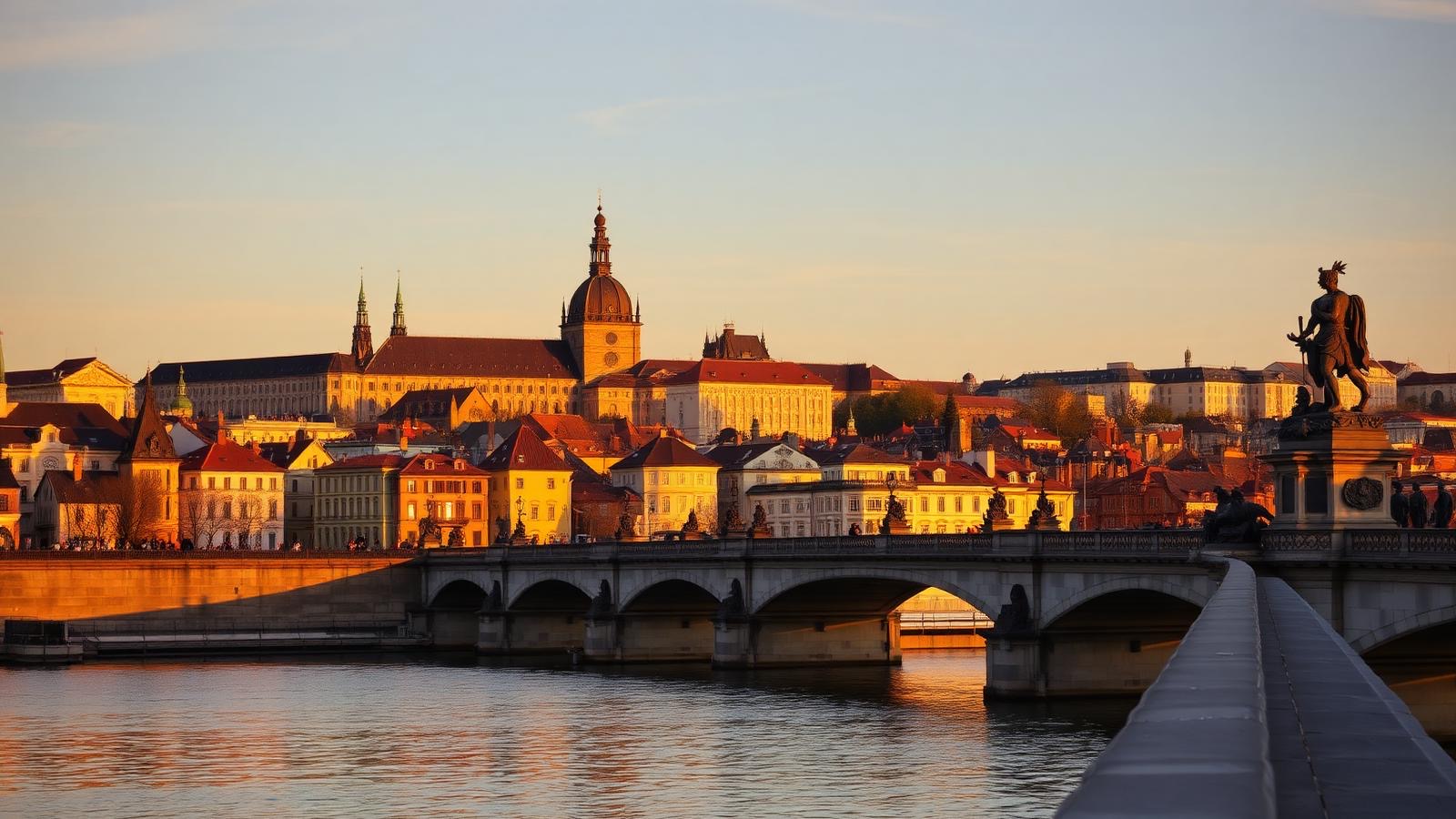
Prague Itinerary: 3 Days of Old Town, Castle and Beer
A three-day Prague itinerary plus day trips to Český Krumlov and Kutná Hora — Old Town, the Castle, beer halls and what a Czech trip costs.
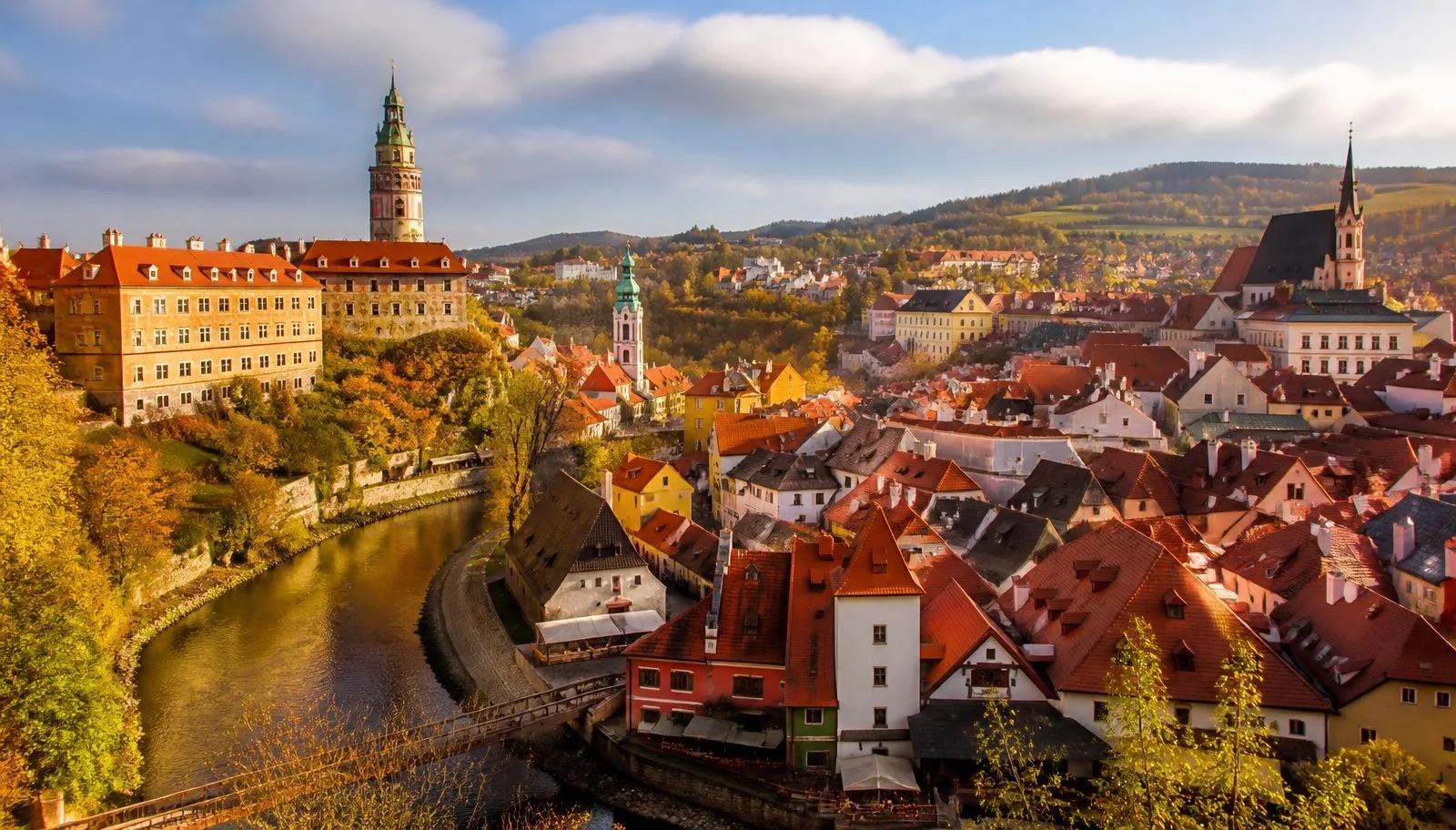
Things to Do in the Czech Republic: Beyond Prague
Past Prague: Český Krumlov, Kutná Hora's ossuary, the Karlovy Vary spa towns, Bohemian Switzerland's arches, Brno and Moravia's wine…
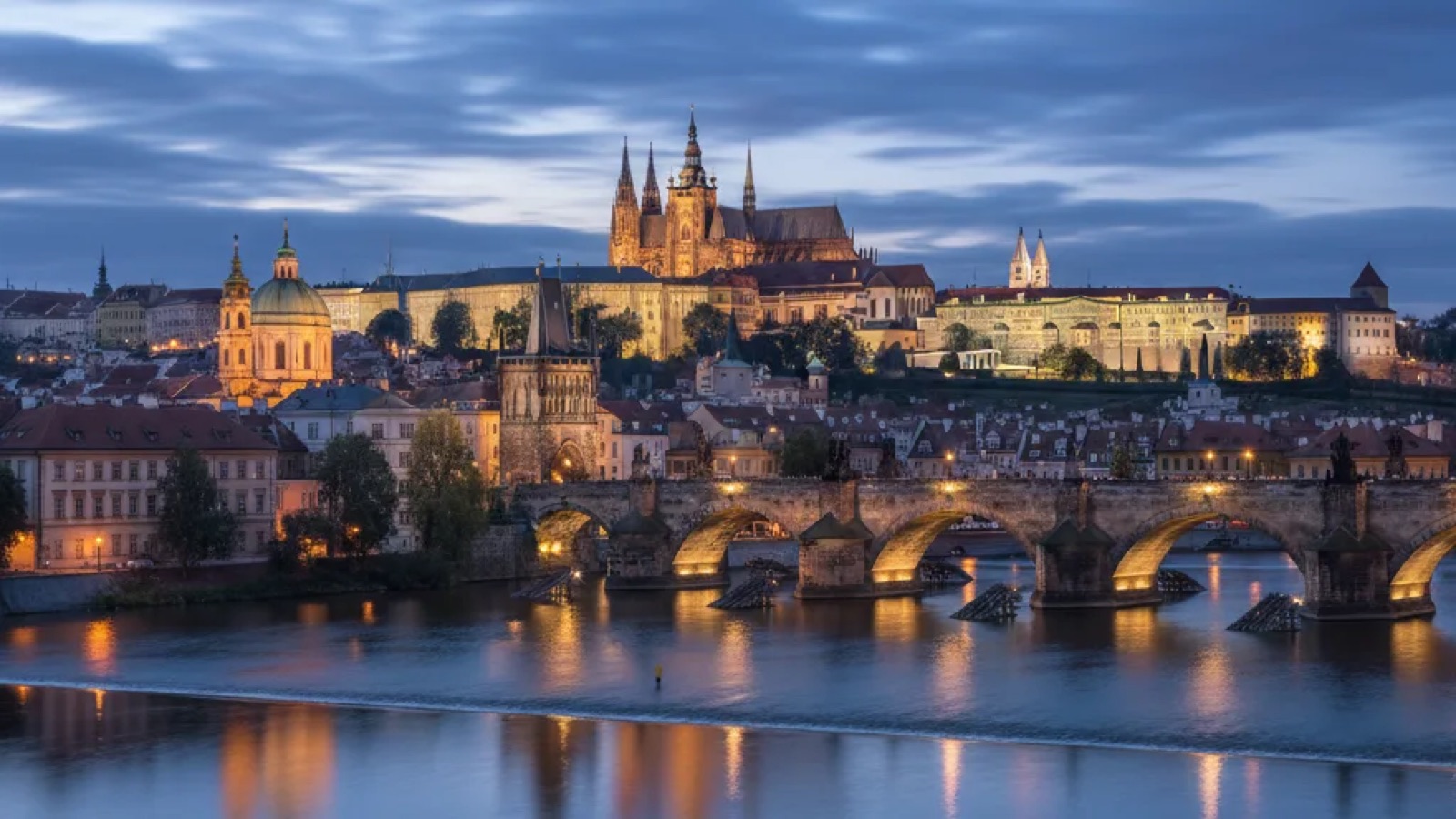
Prague Castle Guide: What to See and When to Go
How to visit Prague Castle without the crush: the ticket circuits, St Vitus, Golden Lane, the changing of the guard and best light.