Prague Itinerary: 3 Days of Old Town, Castle and Beer
A three-day Prague itinerary plus day trips to Český Krumlov and Kutná Hora — Old Town, the Castle, beer halls and what a Czech trip costs.
In this guide
- Why Prague and Czechia Are Worth It
- Best Time to Visit Prague
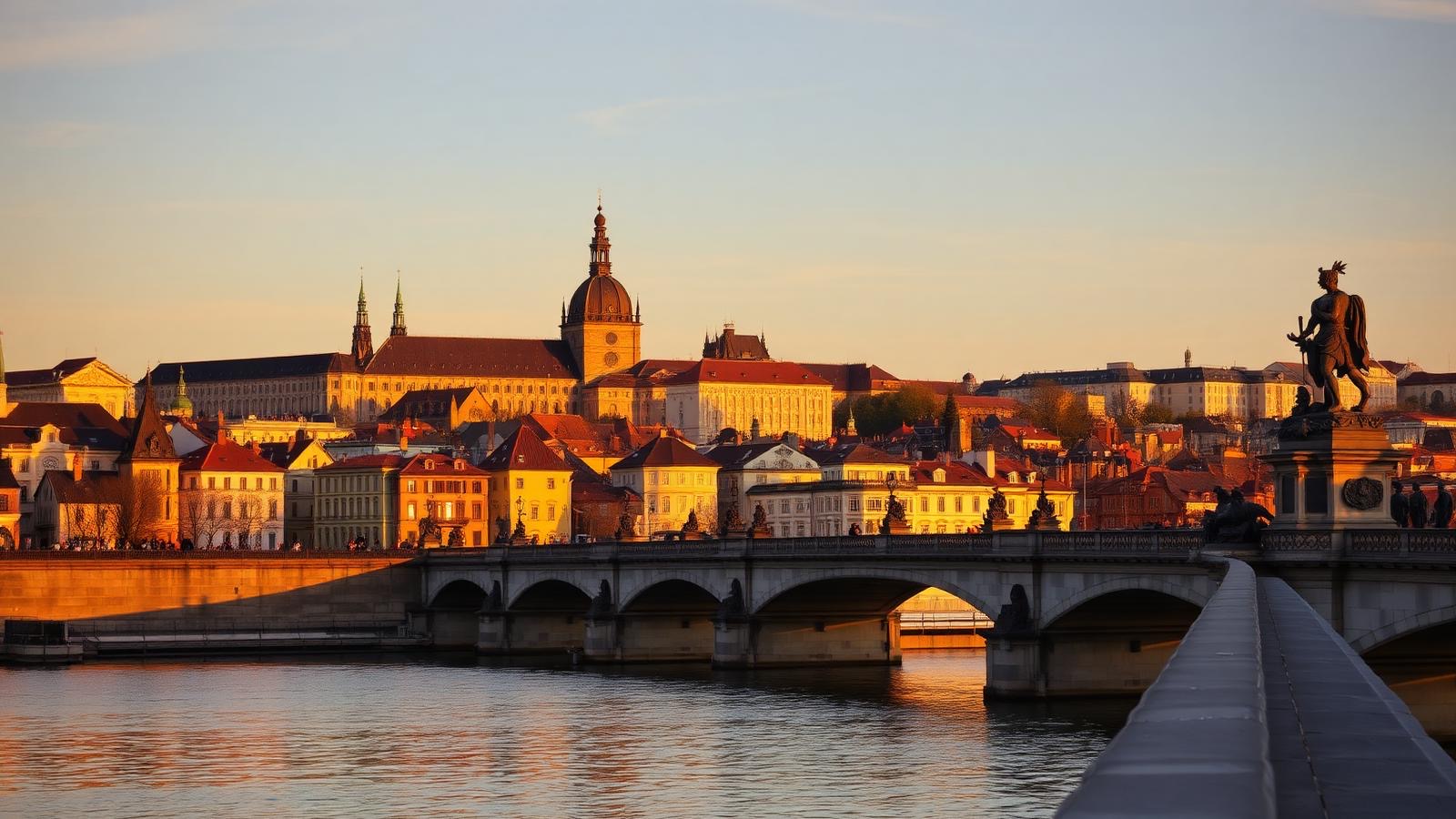
- Prague Old Town and Charles Bridge
- Prague Castle and Malá Strana
- Prague Beyond the Postcards
- Day Trip: Český Krumlov
- Day Trip: Kutná Hora and the Bone Church
- Czech Beer Culture
- Food
- Getting Around
- Is Prague Expensive to Visit? Costs and Daily Budget
- How Many Days Do You Need in Prague? A Week-Long Itinerary
- Final Practical Tips
- Explore the Czech Republic in Depth: My Detailed Guides
- Explore in Depth
U Zlatého Tygra, the smoky pub where Bohumil Hrabal used to write, is still there, still pouring half-litres of Pilsner Urquell — and Prague still delivers the same trick: walking through a place where the last 700 years of European history are stacked on top of each other, at prices that quietly embarrass Vienna and Berlin. This guide covers what you need to know before a first trip to the Czech Republic.
The Czech Republic (officially now "Czechia", though almost nobody uses that in conversation) is the sort of country you plan a long weekend in and end up staying two weeks. Prague is the obvious anchor — one of the great preserved medieval capitals of Europe — but the country is small enough that Český Krumlov, Kutná Hora, the beer town of Plzeň and even the Moravian wine region are all easy from a Prague base. And unlike Vienna or Salzburg next door, it's still noticeably cheaper: a proper sit-down dinner with beer for the price of an airport sandwich in western Europe.
Why Prague and Czechia Are Worth It
Prague avoided serious wartime damage that flattened much of central Europe, which is why walking across Charles Bridge or through Old Town Square feels like walking through a preserved cross-section of Gothic, Renaissance, Baroque and Art Nouveau architecture stacked on top of each other. There are very few European capitals where you can see 700 years of architectural history in a 20-minute walk, and Prague is one of them.
Beyond the aesthetics, three things make the country punch above its weight:
- Beer culture — the Czechs invented pilsner, drink more beer per capita than any other country on earth, and treat a good pub as social infrastructure. It's genuinely part of how the country works.
- Price — you get western-European quality at central-European prices. A serious sit-down dinner with two beers is often €18–25 per person outside tourist traps.
- Compactness — the whole country is smaller than New York State. Every major destination is a two-to-three-hour train from Prague.
Best Time to Visit Prague
- May to early June is the sweet spot: warm days, cool evenings, gardens in bloom, the Prague Spring music festival, and the summer coach-tour hordes haven't fully arrived yet.
- July and August are hot (surprisingly so — Prague regularly hits 32°C), crowded, and the most expensive stretch. Old Town Square is overrun by lunch. If you come, start every day at 7 a.m. and take a long lunch break.
- September to early October is the pick of the year — beer-garden weather, autumn colour on Petřín Hill, harvest wine festivals in Moravia, and a noticeable drop in crowds after mid-September.
- Late November to early January is Christmas-market season. Old Town Square and Wenceslas Square set up two of Europe's better markets (mulled wine, roast pork, trdelník). Cold — usually 0–5°C — but atmospheric.
- January to March is genuinely quiet and cheap. Prague dusted in snow is one of the great European sights, though the shorter days limit what you can pack in.
Prague Old Town and Charles Bridge
The Old Town (Staré Město) is the natural first day. It's small enough to walk end-to-end in twenty minutes and dense enough that you can happily spend a full day in it without repeating a street.
- Old Town Square (Staroměstské náměstí) — the medieval heart. The Astronomical Clock puts on its little procession on every hour from 9 a.m. to 11 p.m. — worth seeing once and then getting on with your day.
- Church of Our Lady before Týn — the twin-spired Gothic church on the square. Free entry outside of Mass.
- Old Town Hall Tower — climb (or lift) for the best rooftop view of the square. Go 30 minutes before sunset.
- Josefov (Jewish Quarter) — six preserved synagogues, the deeply moving Old Jewish Cemetery, and Franz Kafka's neighbourhood. Buy the combined ticket at any of the sites.
- Charles Bridge (Karlův most) — 14th-century stone bridge, 30 baroque statues, and by 10 a.m. an obstacle course of tour groups. Go at sunrise (around 5 a.m. in summer, 8 a.m. in winter). This is the single non-negotiable tip in this guide. At dawn you'll share the bridge with joggers and photographers and see it the way it was meant to be seen; at lunchtime it's a photo scrum.
Prague Castle and Malá Strana
Prague Castle (Pražský hrad) is the largest coherent castle complex in the world by area — a whole hilltop of palaces, churches, gardens and courtyards that took a thousand years to build. Realistically it's a half-day, and the main things to see inside are:
- St. Vitus Cathedral — Gothic, dominating the skyline, with astonishing stained glass including a window by Alfons Mucha. The queue for the interior moves fast; the climb up the south tower is the view over the city.
- Old Royal Palace — Vladislav Hall, big enough to hold indoor jousts (and did).
- Golden Lane — a tiny row of medieval cottages where Kafka briefly lived. Touristy but genuinely charming.
- Basilica of St. George — the oldest surviving church in the castle, Romanesque under a baroque facade.
Below the castle, Malá Strana (Lesser Town) is the baroque quarter where you'll want lunch and a wander. Wall a route through Nerudova street, Kampa Island and the Lennon Wall. Climb Petřín Hill (funicular or on foot) for the mini-Eiffel-tower lookout — the best top-down view of the city.
Two logistics: enter the castle complex from the top via the Pražský hrad tram stop (tram 22) and walk downhill, not up. And buy the Main Circuit ticket, which covers everything most people actually want to see.
Prague Beyond the Postcards
Most first-time visitors never leave the Old Town / Malá Strana core. Two extra neighbourhoods that will make the city feel bigger and more real:
- Vinohrady — leafy, gridded, full of art-nouveau apartment buildings, and where locals actually eat and drink. Riegrovy sady beer garden at sunset is one of the classic Prague experiences.
- Karlín and Holešovice — the two districts that have absorbed Prague's food-and-craft-beer scene. Holešovice's Vnitroblock and DOX are the fun cultural anchors; Karlín is where you'll eat your best modern Czech meal.
Add a slow evening in either, ideally on a weeknight, and you'll leave with a much better sense of the city than the Old Town alone gives you.
Day Trip: Český Krumlov
Český Krumlov is the postcard-perfect Bohemian town — a 13th-century castle on a rock, a Renaissance old town tucked inside a horseshoe bend of the Vltava, cobbled streets, red roofs, and painted facades. It's on every guidebook cover for a reason and, in the middle of a July day, it's overrun. The fix is simple: stay the night.
The trick to Český Krumlov: get there in the late afternoon after the day-trip coaches leave, wander the empty old town at dusk, sleep in a small hotel inside the walls (Hotel U Malého Vítka is excellent value), and see the castle interior when it opens the next morning. Two nights is even better and lets you raft or canoe the Vltava.
How to get there from Prague: direct Regiojet or FlixBus (3 hours, cheap), direct train (about 3 hours, less frequent, more scenic). Shared shuttle vans (around €25 one way, 2.5 hours) run door-to-door. It's absolutely doable as a day trip, but you'll regret not staying.
Day Trip: Kutná Hora and the Bone Church
An hour east of Prague, Kutná Hora was for centuries the second most important city in the kingdom because of its silver mines. Today it's a small, quiet baroque town with two blockbuster sights and a very manageable half-day rhythm:
- Sedlec Ossuary (Kostnice) — the famous "bone church", a small Gothic chapel decorated with the bones of an estimated 40,000 people, arranged into a chandelier, a coat of arms and various pyramids. Genuinely one of the strangest interiors in Europe. Book the timed-entry ticket online.
- St. Barbara's Cathedral — a soaring Gothic cathedral built by silver-miners for their patron saint, roughly the size and drama of St. Vitus.
Direct trains from Prague's main station take about an hour and cost a few euros. Combined tickets covering both the Ossuary and St. Barbara's are the easiest option. Add a slow lunch and you're back in Prague by mid-afternoon.
Czech Beer Culture
Czech beer isn't a side note; it's a way of thinking about hospitality. The world's first pale lager — pilsner — was brewed in the town of Plzeň in 1842, and the Czechs have out-drunk everyone on earth on a per-capita basis for as long as anyone has kept the statistic.
Some rules of thumb from years of losing evenings to Czech pubs:
- You order by degree, not by strength. "10°" (desítka) is a lighter session lager; "12°" (dvanáctka) is a fuller-bodied classic pilsner. That's the number to pay attention to on menus.
- Tank beer (pivo z tanku) is unpasteurised, delivered straight from the brewery to a stainless-steel tank behind the bar, and consumed within a couple of days. Any pub advertising Pilsner Urquell "tankové" is worth going to.
- Sit down, don't wave. Servers come to you. Put a coaster over the top of your glass when you're done or they'll keep bringing more (which is not the worst outcome).
- The classic Prague drinkers' pubs: U Zlatého Tygra, U Medvídků, Lokál (several locations), and Vinohradský Pivovar for a proper local brewery-restaurant.
- Take the day trip to Plzeň if you're a beer person. The Pilsner Urquell brewery tour ends in the historic cellars with unfiltered, unpasteurised beer poured straight from an oak barrel. 90 minutes on the train from Prague.
Food
Czech food is honest, meat-and-carbs comfort cooking built for cold weather and long beers. It's not going to top a fine-dining list, but eaten in the right places it's genuinely satisfying.
- Svíčková na smetaně — braised beef in a creamy root-vegetable sauce, served with bread dumplings and a spoon of cranberry compote. The national dish. Order it once at a proper Czech restaurant.
- Vepřo knedlo zelo — roast pork, dumplings, sauerkraut. The classic pub plate.
- Guláš — hearty beef stew with dumplings, sometimes served in a bread bowl.
- Smažený sýr — deep-fried breaded cheese with tartare sauce. Not sophisticated, deeply loved.
- Chlebíčky — Czech open-faced sandwiches, the country's contribution to civilised lunch. Sisters Bistro in Old Town does the best modern version.
- Trdelník — the spit-roasted sugar-and-cinnamon dough tube sold everywhere in Old Town is a tourist invention with a fake pedigree. Fine as a snack, no need to build a myth around it.
For modern Czech food, book Field (Michelin-starred, still reasonable by western-European standards) or Eska in Karlín. For pub classics, Lokál Dlouhá is the reliable everywhere-good pick.
Getting Around
Inside Prague
Public transport (metro, trams, buses) is fast, cheap, and integrated on a single ticket. A 24-hour or 72-hour pass covers everything. Trams are the tourist-friendly option — the historic route 22 winds past most major sights. Uber, Bolt and Liftago all work. Skip taxis flagged on the street outside Old Town; historically they're the one place in Prague where tourists still get overcharged.
Between Czech cities
Trains and coaches are excellent. Regiojet and LEO Express are the private operators — comfortable, cheap, business-class-for-not-much-more, and they'll bring you coffee. Czech Railways (ČD) runs the state trains. FlixBus and Regiojet coaches cover intercity routes at very low prices. Book on the operators' own apps.
Rental cars
Not necessary and often a hindrance in Prague itself (parking is scarce and expensive). For a Czech countryside trip — Moravian wine region, small castles, hiking in Bohemian Switzerland — a car makes sense.
Is Prague Expensive to Visit? Costs and Daily Budget
Czechia is cheaper than Germany, Austria or Italy, and roughly on par with Poland or Hungary. Prague itself has crept upward — expect western-European prices at tourist restaurants in the Old Town, and Czech prices two streets over.
- Budget ($60–90/day): hostel dorm ($20–30), pub lunches ($8–12), metro pass, one paid sight per day.
- Mid-range ($130–200/day): good boutique hotel or apartment ($90–140), mix of pub and modern restaurant meals, most sights included, occasional taxi. This is where Prague delivers its best value.
- Comfort ($300–500/day): a genuinely nice hotel in Malá Strana or on the river, tasting menus at Field or La Degustation, private tours.
Reference prices: a half-litre of Pilsner Urquell is 60–80 CZK ($2.50–3.50) in a local pub, 100–130 CZK in a tourist spot. A pub-lunch plate with soup runs 220–320 CZK ($9–13). A metro/tram day pass is 120 CZK. Prague Castle Main Circuit ticket is 450 CZK. Astronomical Clock tower is 300 CZK. A one-way train to Kutná Hora is around 130 CZK.
How Many Days Do You Need in Prague? A Week-Long Itinerary
- Day 1: Arrive, orient in the Old Town, sunset from the Old Town Hall Tower, dinner in Vinohrady.
- Day 2: Charles Bridge at sunrise, Josefov (Jewish Quarter), afternoon on the Vltava (paddleboat or river cruise), evening beer garden at Riegrovy sady.
- Day 3: Prague Castle + Malá Strana, Petřín Hill at sunset.
- Day 4: Day trip to Kutná Hora — bone church, cathedral, back for dinner in Karlín.
- Days 5–6: Overnight in Český Krumlov — arrive late afternoon, dusk stroll, castle in the morning, lunch, back to Prague.
- Day 7: Plzeň brewery tour, or a slow Prague day for whatever you missed.
Ten days lets you add Moravia (Olomouc, Mikulov wine region) or Bohemian Switzerland (sandstone rock formations, easy hiking) — both are underrated.
Final Practical Tips
- Currency: Czech koruna (CZK), not the euro. Some tourist places quote in euro but the exchange rate they use is bad. Pay in koruna where you can. Cards are accepted almost everywhere, including trams via contactless.
- Visa: Schengen area — most Western visitors get 90 days visa-free, subject to the standard 90-in-180 Schengen rule.
- Language: Czech. English is widely spoken in Prague and major tourist towns, patchier in the countryside. Basic hellos and thank-yous (dobrý den, děkuji) go a long way.
- SIM cards: as an EU country, Czech mobile networks work seamlessly for European travellers; from outside the EU, an eSIM (Airalo, Holafly) is easier than shopping around for a physical SIM.
- Plugs: Type E / F, 230V — standard European plugs.
- Tipping: not automatic, but 10% at a proper restaurant, or rounding up in pubs and taxis, is standard.
- Book Charles Bridge for sunrise, not sunset. Sunset is beautiful but shoulder-to-shoulder; sunrise is peaceful and yours.
Prague is that rare European capital where the first-time postcard version and the local version are both genuinely worth your time. Come for the medieval skyline, stay for the pubs, and if you can only spend a long weekend, spend it slowly. Na zdraví.
Explore the Czech Republic in Depth: My Detailed Guides
This guide is the overview. When you are ready to plan a specific part of the trip, these deep-dives go further, and each one links back here:
- Things to Do in the Czech Republic: Prague, Castles, Spa Towns and Bohemia
- Best Castles in the Czech Republic: Prague Castle, Český Krumlov and Beyond
Explore in Depth
If you want to go deeper on this trip, these companion guides pick up where this one leaves off.
More Czech Republic guides
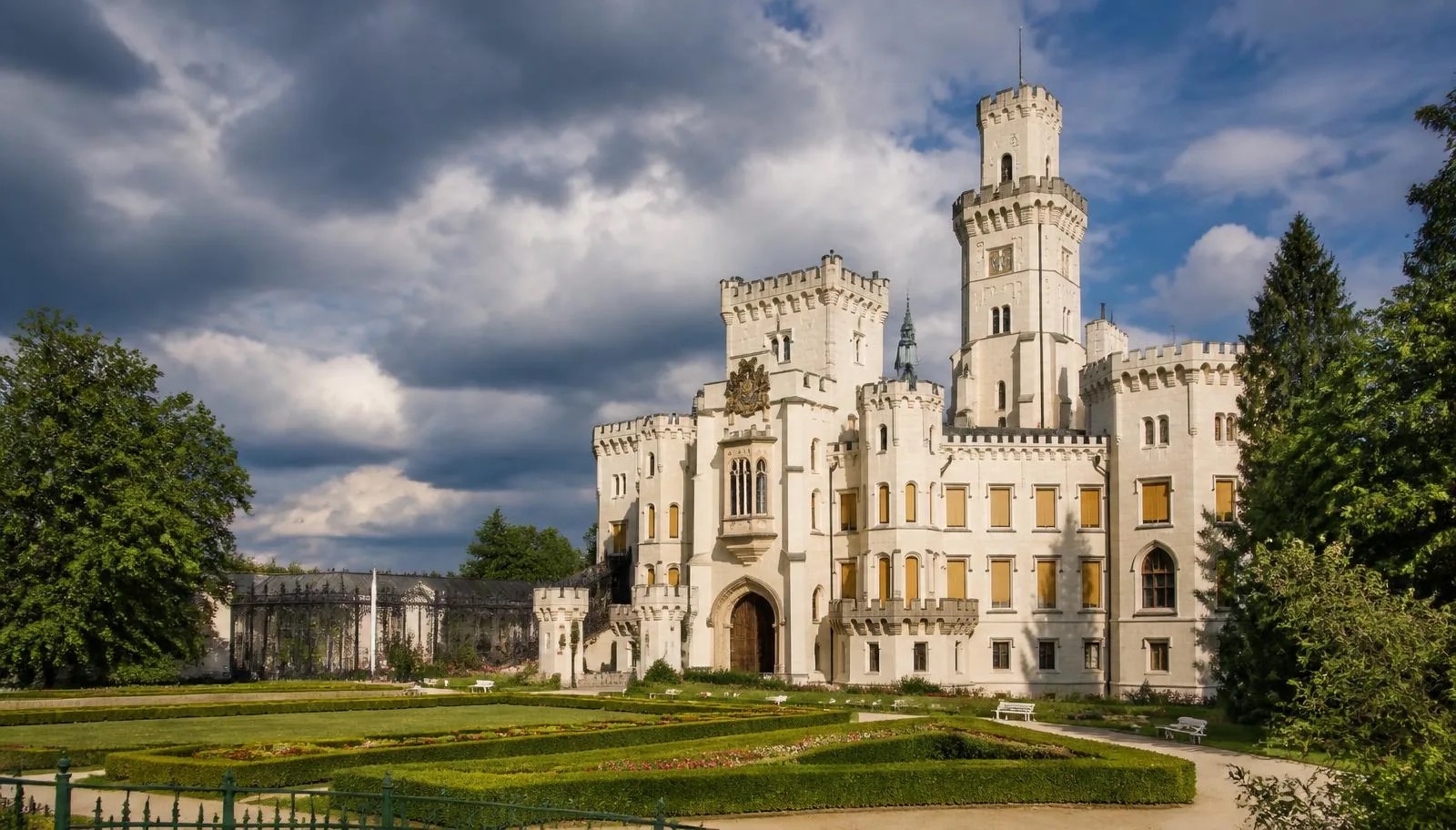
Best Castles in the Czech Republic: Where to Go
Hrad or zámek? A guide to Czech castles and châteaux — Prague Castle, Karlštejn, Hluboká, Lednice-Valtice, Pernštejn and Loket — and how…
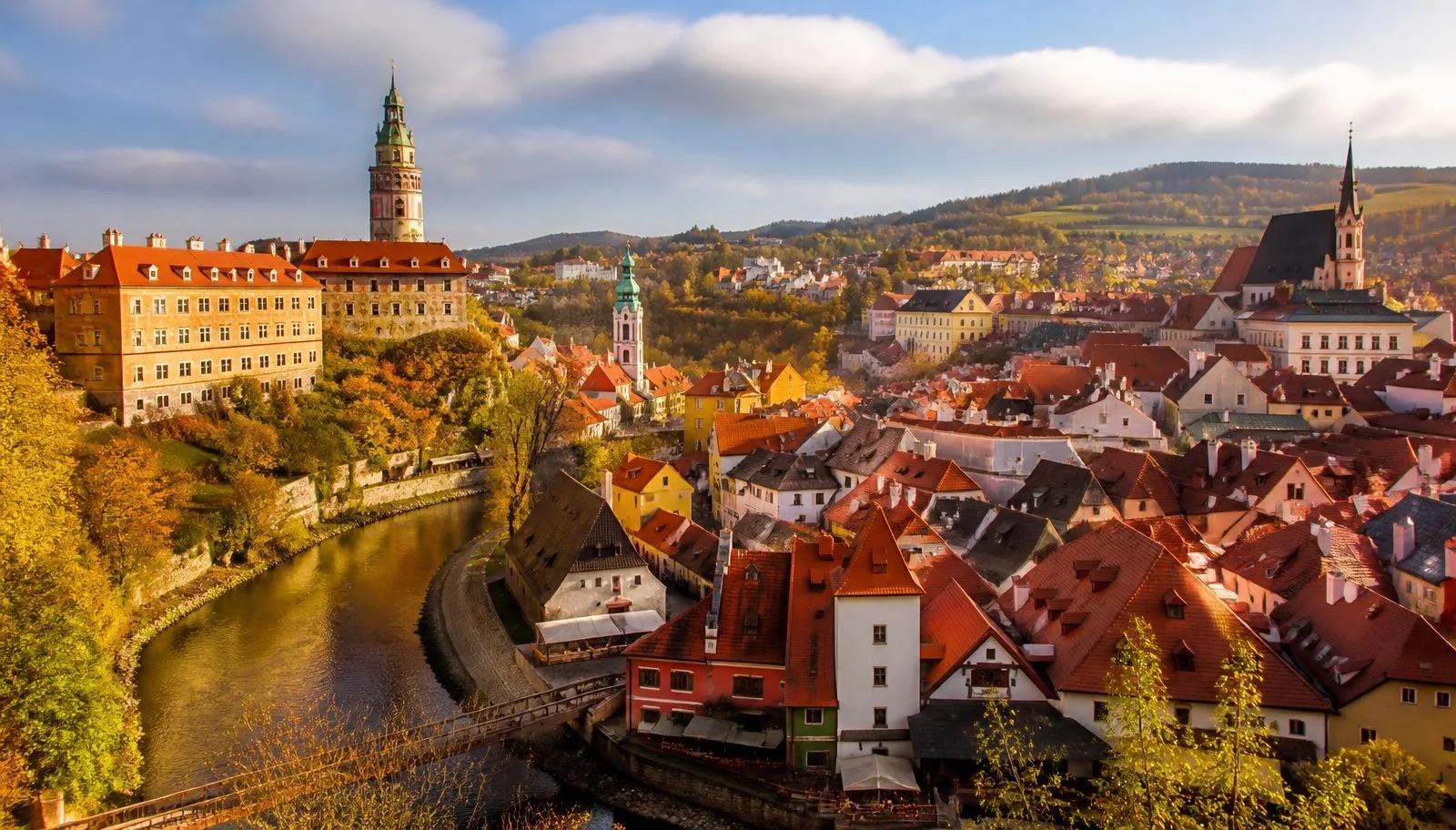
Things to Do in the Czech Republic: Beyond Prague
Past Prague: Český Krumlov, Kutná Hora's ossuary, the Karlovy Vary spa towns, Bohemian Switzerland's arches, Brno and Moravia's wine…
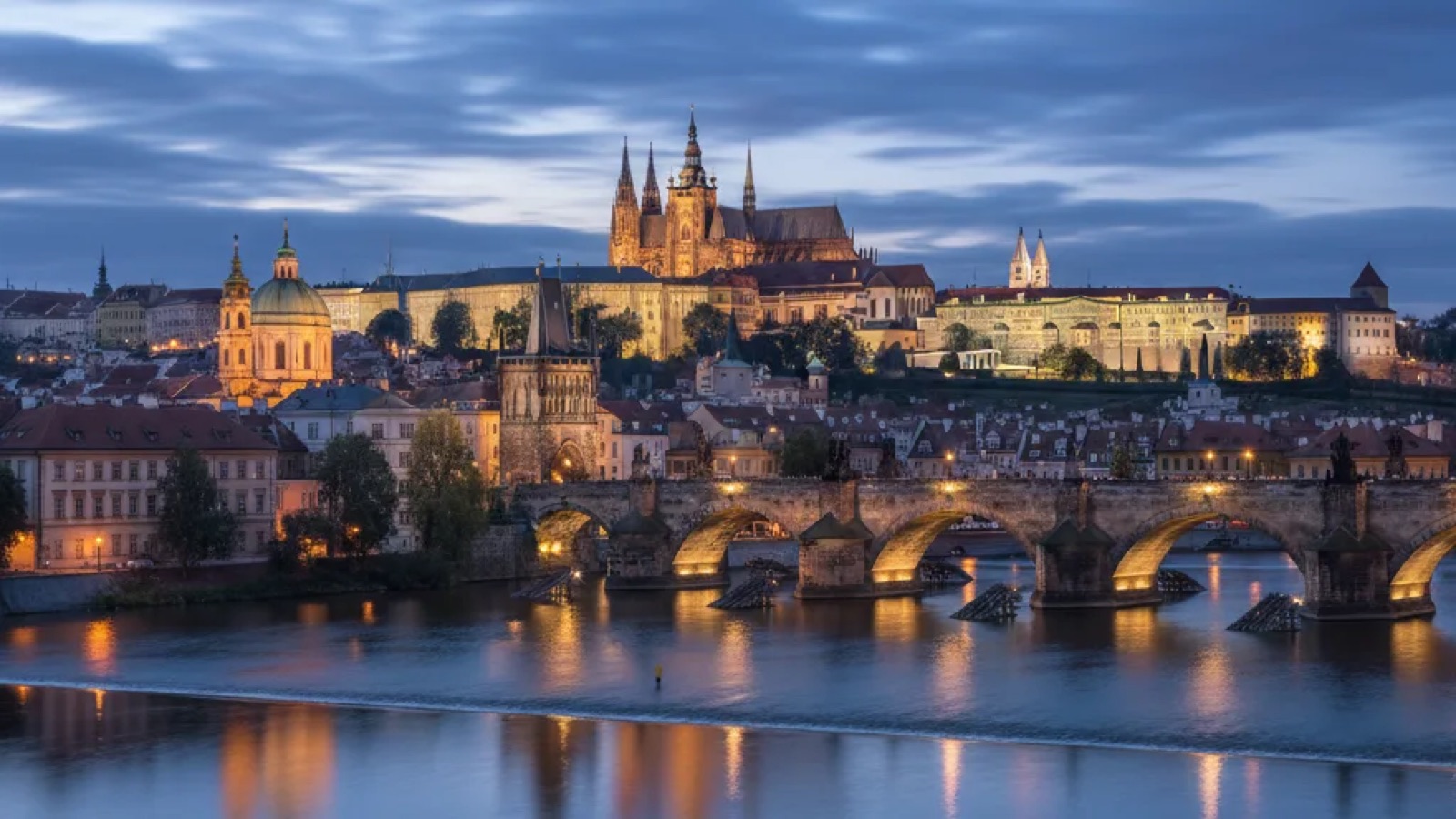
Prague Castle Guide: What to See and When to Go
How to visit Prague Castle without the crush: the ticket circuits, St Vitus, Golden Lane, the changing of the guard and best light.