Things to Do in the Czech Republic: Beyond Prague
Past Prague: Český Krumlov, Kutná Hora's ossuary, the Karlovy Vary spa towns, Bohemian Switzerland's arches, Brno and Moravia's wine country and beer in Pilsen.
In this guide
- Quick Facts: Czech Republic Highlights
- Prague: The Golden City on the Vltava
- Fairy-Tale Bohemian Towns: Český Krumlov and Telč
- Gothic Wonders and Bone Churches: Kutná Hora
- The Bohemian Spa Triangle: Karlovy Vary and Mariánské Lázně
- Dramatic Landscapes: Bohemian Switzerland and Adršpach Rocks
- Regal Fortresses: Karlštejn and Konopiště
- Moravia Uncovered: Brno, Olomouc, and the Moravian Karst
- Moravian Wine Country and the Lednice-Valtice Cultural Landscape
- Pilsen and Czech Beer Culture
- Festive Magic: Czech Christmas Markets
- Comparing Czech Regions: Where Should You Go?
- Practical Travel Tips: Logistics, Transport, and Etiquette
- Final Thoughts: Embracing the Heart of Europe
- Explore in Depth
This guide is part of our Prague Itinerary: 3 Days of Old Town, Castle and Beer — start there for the overview, when to go and how to get around.
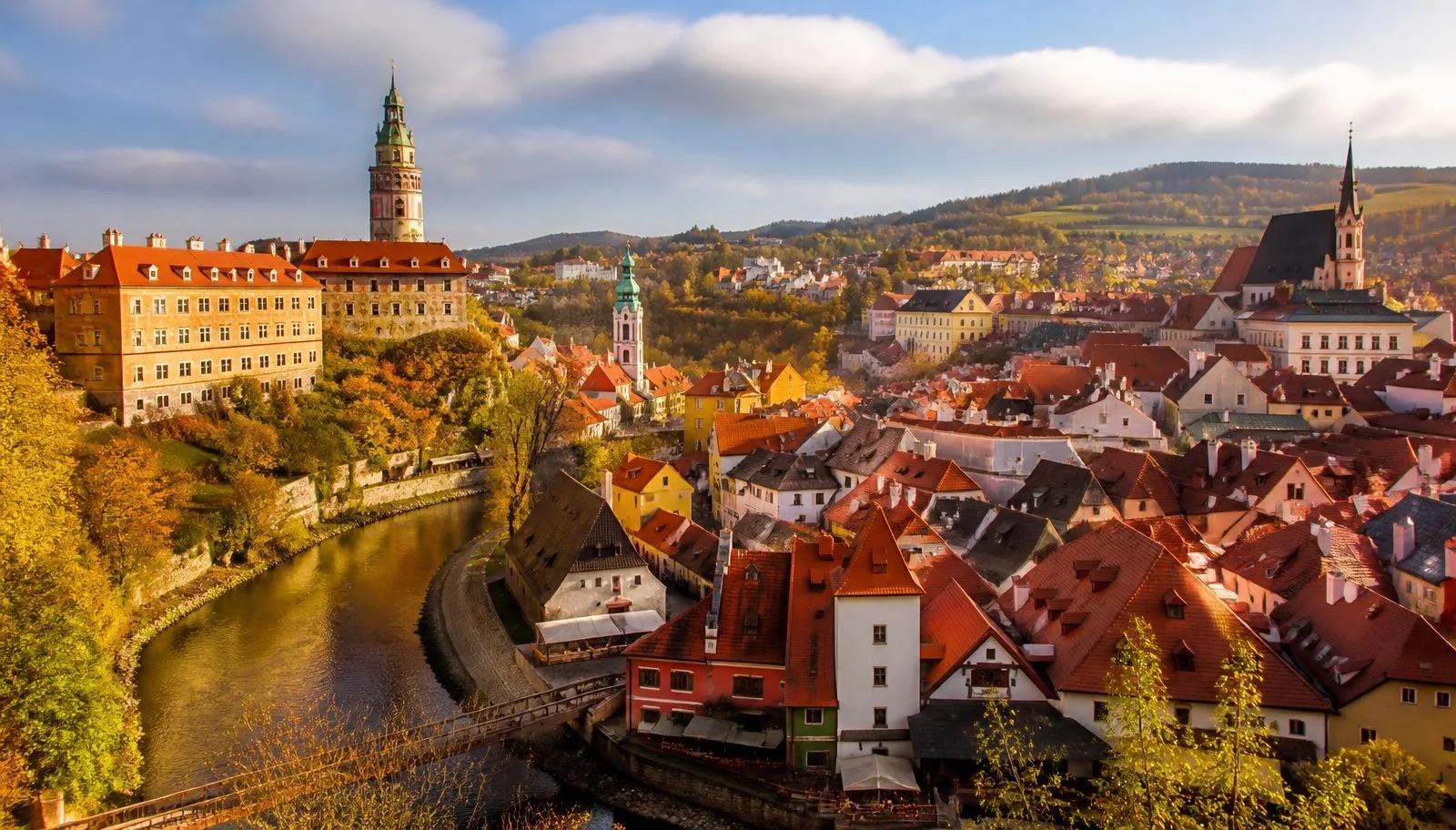
Spend a morning outside Prague on a mist-shrouded riverbank in Český Krumlov with a steaming mug of black coffee in hand. The crisp morning air carries the faint aroma of burning birch wood and fresh butter pastries from a nearby bakery, while the pastel-pink tower of the castle rises dramatically above the curving Vltava River. It’s a reminder that Czechia is far more than its magnetic capital city; it is an incredible tapestry of fairytale medieval towns, dramatic sandstone labyrinths, and centuries-old spa traditions.
While millions of international travellers flock to Prague to admire its famous astronomical clock and cross its iconic bridge, venturing into the Bohemian and Moravian countryside reveals the country’s true soul. Here, sprawling Gothic fortresses guard pine-scented river valleys, subterranean limestone caves hide underground waterways, and emerald vineyards carpet rolling hills that stretch towards the Austrian border.
Whether you are sipping crisp pilsner lager directly from oak barrels in subterranean brewery cellars, hiking between towering rock pillars, or taking the mineral waters in grand neoclassic colonnades, the Czech Republic rewards those who take the time to travel beyond the beaten path. This comprehensive guide pulls together the absolute best experiences across Bohemia and Moravia to help you craft your own unforgettable itinerary.
Quick Facts: Czech Republic Highlights
- Capital City: Prague (Praha)
- Official Language: Czech (English is widely spoken in major tourist centres and by younger generations)
- Currency: Czech Koruna (CZK)
- Best Time to Visit: May to September for warm outdoor conditions and hiking; December for magical Christmas markets
- Getting Around: Exceptionally efficient state-run railway system (České dráhy) complemented by comfortable intercity express coaches
- Primary Regions: Bohemia (West, Central, North, and South) and Moravia (East and South)
Prague: The Golden City on the Vltava
No exploration of the Czech Republic is complete without spending time in Prague, affectionately known across the globe as the "City of a Hundred Spires". Its winding cobbled alleyways are striking for the sheer density of Gothic, Baroque, Renaissance, and Modernist architecture packed into its compact historic core.
Old Town Square and Astronomical Clock
The beating heart of the city is Old Town Square (Staroměstské náměstí), dominated by the soaring Gothic towers of the Church of Our Lady before Týn and the historic Old Town Hall. Gather on the hour near the base of the clock tower to watch the medieval Astronomical Clock (Orloj) perform its intricate dance. Mechanical figures representing the Apostles, Death, and Vanity parade across two tiny windows as a gilded rooster crows to announce the hour.
Charles Bridge and the Vltava Riverfront
Connecting the Old Town with the Little Quarter (Malá Strana), Charles Bridge (Karlův most) is an open-air stone gallery commissioned by Emperor Charles IV in the 14th century. Walk across at dawn, when thick river fog clings to the stone balustrades and thirty Baroque statues loom out of the haze. By mid-morning, local painters and jazz musicians bring the bridge to life.
Prague Castle Complex and St. Vitus Cathedral
Perched high above the river, Prague Castle (Pražský hrad) is officially recognised as one of the largest ancient castle complexes in the world. Within its fortified walls lies St. Vitus Cathedral, a magnificent Gothic structure featuring stunning stained-glass windows, including one designed by Art Nouveau master Alphonse Mucha. Do not miss Golden Lane, a narrow street lined with tiny, brightly painted cottages that once housed royal marksmen, alchemists, and goldsmiths.
Vyšehrad Fortress and Petřín Hill
For panoramic views away from the heaviest crowds, make your way to Vyšehrad, an ancient 10th-century fort set atop a rocky promontory south of the city centre. The surrounding leafy parklands house the Neo-Gothic Basilica of St. Peter and St. Paul and a peaceful cemetery where famous Czech figures, including composers Antonín Dvořák and Bedřich Smetana, are laid to rest. Nearby, Petřín Hill offers quiet forested walking tracks and a miniature lookout tower modelled on the Eiffel Tower.
Josefov: The Historical Jewish Quarter
Nestled between the Old Town and the Vltava River lies Josefov, the historically rich Jewish Quarter. The area contains remarkably preserved sites, including the Old-New Synagogue—Europe's oldest active synagogue—and the haunting Old Jewish Cemetery, where thousands of gravestones lean against one another in layers built up over centuries. Visiting the Spanish Synagogue offers a dramatic architectural contrast, featuring an exquisite Moorish Revival interior shimmering in gold leaf.
Fairy-Tale Bohemian Towns: Český Krumlov and Telč
Heading south into the rolling countryside of South Bohemia and South Moravia brings you to two of the country's most enchanting UNESCO World Heritage sites, where time seems to have stood still since the Renaissance.
Český Krumlov: A Meandering River Fortress
Wrapped tightly inside a dramatic double loop of the Vltava River, Český Krumlov feels like a living fairytale set design. The town is dominated by its grand 13th-century castle, which features a vibrant painted tower, an amazingly preserved Baroque theatre, and a wide moat famously inhabited by brown bears. It's worth spending an afternoon wandering the labyrinth of narrow, traffic-free lanes lined with artisan shops, before renting a wooden raft or canoe to drift through the heart of town.
Telč: Renaissance Splendour
Located near the border of Bohemia and Moravia, Telč is renowned for its breathtaking main square (Náměstí Zachariáše z Hradce). The long, open plaza is flanked by an unbroken row of pastel-coloured Renaissance and Baroque burgher houses, complete with high arcades and delicate gables. Surrounded by clear fish ponds, Telč offers a far quieter, reflective atmosphere compared to larger tourist hubs, making it ideal for photography enthusiasts.
Gothic Wonders and Bone Churches: Kutná Hora
Located just an hour east of Prague by direct train, Kutná Hora rose to fame and immense wealth in the Middle Ages thanks to its rich silver mines. Today, it stands as one of Central Bohemia's most fascinating historic destinations.
Sedlec Ossuary and St. Barbara's Church
The main draw for curious travellers is the chapel of Sedlec, home to the world-famous Bone Church (Sedlec Ossuary). Inside this small Gothic chapel (remodelled in Baroque Gothic style), the artistic arrangements of an estimated 40,000 to 70,000 human skeletons cover the walls, forming massive bone pyramids, coats of arms, and a towering central chandelier made from every single bone in the human body.
A short distance away in the town centre stands St. Barbara’s Church (Chrám svaté Barbory), a breathtaking monument to high Gothic architecture dedicated to the patron saint of miners. Its distinct tent-like triple roofs, flying buttresses, and medieval frescoes depicting minting and silver mining make it a rival to Prague's finest cathedrals.
The Bohemian Spa Triangle: Karlovy Vary and Mariánské Lázně
Nestled in the lush, wooded valleys of West Bohemia, the "Spa Triangle" has attracted European royalty, poets, and composers for centuries, all seeking the therapeutic properties of its thermal mineral springs.
Karlovy Vary: Grand Colonnades and Thermal Waters
Founded by Holy Roman Emperor Charles IV in the 14th century, Karlovy Vary (Carlsbad) is famous for its colourful grand architecture lining the Teplá River. Visitors walk the elegant colonnades—such as the Mill Colonnade and Market Colonnade—holding traditional porcelain spa cups filled with hot mineral water directly from the public taps. Beyond the springs, the town is world-renowned for crystal glassworks, its historic film festival, and Becherovka, a traditional herbal liqueur.
Mariánské Lázně: Neoclassical Elegance
Slightly smaller and more tranquil than its neighbour, Mariánské Lázně (Marienbad) boasts lush manicured parks, yellow-hued Neoclassical hotels, and magnificent ironwork colonnades. The main central promenade features the "Singing Fountain", a grand water display choreographed to classical music every odd hour from May to October. A walk through the surrounding pine forests, punctuated by stops at historic spring pavilions, is the ultimate way to unwind.
Dramatic Landscapes: Bohemian Switzerland and Adršpach Rocks
Beyond its built heritage, the Czech Republic possesses extraordinary natural landscapes carved by nature over millions of years, attracting hikers, climbers, and nature lovers.
Bohemian Switzerland National Park
Spanning the northern border with Germany, Bohemian Switzerland (České Švýcarsko) is a realm of deep sandstone gorges, dense pine forests, and sweeping rock formations. The park's crown jewel is Pravčická brána, the largest natural sandstone arch in Europe. Hikers can follow marked trails through shaded canyons before taking a flat-bottomed boat ride guided by local boatmen along the quiet waters of the Edmund Gorge.
Adršpach-Teplice Rock Towns
Located in the northeastern region of the country, the Adršpach-Teplice Rocks (Adršpašsko-teplické skály) form a massive, surreal labyrinth of sandstone towers rising dozens of metres above the forest floor. Winding footpaths lead visitors through narrow crevices, stone portals, and past serene, turquoise-water quarry lakes. Names like "The Lovers" and "The Mayor" have been given to the most prominent rock needles based on their striking human shapes.
Regal Fortresses: Karlštejn and Konopiště
Central Bohemia is peppered with remarkable castles, making ideal day trips from Prague for history buffs and architecture enthusiasts.
Karlštejn Castle
Rising majestically from a rocky hill above the Berounka River, Karlštejn Castle was built in 1348 by Emperor Charles IV as a secure depository for the Imperial Crown Jewels and holy relics. Approaching the castle on foot from the lower village offers magnificent views of its tiered towers and stone ramparts. Inside, the Chapel of the Holy Cross features walls encrusted with semi-precious stones and medieval panel paintings.
Konopiště Chateau
Located near the town of Benešov, Konopiště Chateau served as the final residence of Archduke Franz Ferdinand of Austria, whose assassination in Sarajevo triggered World War I. The castle is surrounded by an extensive English-style park and a famous rose garden. Inside, visitors can tour the Archduke's staggering collection of historic weaponry, hunting trophies, and preserved living quarters that provide a fascinating glimpse into royal life at the turn of the 20th century.
Moravia Uncovered: Brno, Olomouc, and the Moravian Karst
Heading east into Moravia introduces travellers to a distinct regional identity, characterized by vibrant university cities, proud folk traditions, and dramatic underground wilderness.
Brno: Modernist Architecture and Underground Labyrinths
As the second-largest city in the country, Brno is a dynamic hub of education, modern gastronomy, and modernist design. Architecture enthusiasts flock to Villa Tugendhat, a pioneering masterpiece of functionalist residential design created by Ludwig Mies van der Rohe. Beneath the bustling street level lies a vast network of historical cellars, including the Labyrinth under Vegetable Market and the sobering Brno Ossuary, second in size only to the Catacombs of Paris.
Olomouc: Baroque Fountains and UNESCO Heritage
Often described as a hidden gem, Olomouc possesses the second-largest historic preservation zone in the Czech Republic after Prague, yet sees only a fraction of the tourists. The spacious Upper Square (Horní náměstí) features a magnificent set of Baroque fountains and the imposing Holy Trinity Column, a UNESCO-listed monument rising 35 metres in height. Be sure to sample Olomoucké tvarůžky, a pungent traditional ripened cheese protected by European legislation.
The Moravian Karst and Macocha Gorge
Just north of Brno lies the Moravian Karst, a protected landscape area containing more than a thousand subterranean caves and gorges. The highlight is a guided tour through the Punkevní Caves, where visitors walk past gigantic stalactites and stalagmites before emerging at the floor of the Macocha Abyss, a collapsed sinkhole over 130 metres deep. The tour culminates in a boat ride along the subterranean Punkva River.
Moravian Wine Country and the Lednice-Valtice Cultural Landscape
While Bohemia is famous for beer, South Moravia is devoutly dedicated to winemaking, boasting sun-drenched vineyards, traditional whitewashed wine cellars, and magnificent aristocratic estates.
Mikulov and Wine Cellar Culture
Dominated by a striking hilltop chateau, the picturesque town of Mikulov serves as the unofficial capital of Moravian wine country. The town is surrounded by sunny limestone hills (Pálava) that produce outstanding white wines, particularly Ryzlink vlašský (Welschriesling). Renting a bicycle is a great way to ride between neighbouring wine villages like Pavlov, where local vintners welcome guests into cool, underground cellars for informal tastings.
Lednice-Valtice Cultural Landscape
Known as the "Garden of Europe", the UNESCO-listed Lednice-Valtice area is a vast, man-made landscape park developed by the House of Liechtenstein over several centuries. It connects two grand residences: Lednice Castle, a romantic Neo-Gothic palace complete with a massive iron greenhouse and palm collection, and Valtice Chateau, a sprawling Baroque residence housing the National Wine Salon in its subterranean vaults.
Pilsen and Czech Beer Culture
The Czech Republic leads the world in per capita beer consumption, an achievement deeply tied to pride, heritage, and uncompromising brewing traditions.
Plzeň (Pilsen): The Birthplace of Pilsner Lager
In 1842, the city of Plzeň revolutionized global brewing when local brewers created the world’s very first golden, bottom-fermented pilsner lager. Today, taking a guided tour of the Pilsner Urquell Brewery is an essential Czech experience. Walking through kilometres of historic sandstone cellars, you get to sample unpasteurised, unfiltered lager poured straight from oak lagering casks—a rich, crisp taste that is utterly unmatched.
Kroměříž Gardens and Castle
Located in Central Moravia, Kroměříž played a major historical role as the summer residence of the Olomouc bishops. The Archbishop's Palace features lavishly decorated halls and an exceptional art gallery housing original works by Titian. Outside, the pristine Flower Garden (Květná zahrada) is a masterpiece of 17th-century European landscape architecture, featuring geometric hedge mazes, classical statues, and a long arcade balcony.
Festive Magic: Czech Christmas Markets
Visiting the Czech Republic in late November and December offers a truly enchanting experience, as historic city squares across the nation transform into festive winter wonderlands.
The markets in Prague (at Old Town Square and Wenceslas Square) are world-famous for their giant lighted trees and festive energy. Wooden chalets sell hand-blown glass ornaments, wooden toys, warm gingerbread, roasted chestnuts, and hot spiced wine (svařák). However, visiting regional markets in places like Olomouc, Český Krumlov, and Brno often yields an even more authentic atmosphere, where local traditional carollers perform beneath grand historic monuments.
Comparing Czech Regions: Where Should You Go?
To help you decide where to allocate your time across the country, use this comparison table outlining the character and best highlights of each distinct geographic zone:
| Region | Primary Vibe | Key Highlights | Ideal For |
|---|---|---|---|
| Central Bohemia | Royal fortresses and historic towns | Prague, Karlštejn, Kutná Hora, Konopiště | Day trips from capital, history lovers |
| South Bohemia | Fairytale architecture and quiet lakes | Český Krumlov, Hluboká Castle, Třeboň | Couples, canoeists, photography |
| West Bohemia | Spa elegance and brewing heritage | Karlovy Vary, Mariánské Lázně, Plzeň | Wellness seekers, beer enthusiasts |
| North Bohemia | Dramatic rock formations and nature | Bohemian Switzerland, Adršpach Rocks | Hikers, outdoor adventurers |
| South Moravia | Vineyards, caves, and vibrant cities | Brno, Mikulov, Lednice-Valtice, Moravian Karst | Wine lovers, cyclists, cave explorers |
Practical Travel Tips: Logistics, Transport, and Etiquette
Navigating the Czech Republic is straightforward, provided you understand a few key logistics regarding regional travel, customs, and local dining norms.
Getting Around: Czech Rail and Express Buses
The national rail operator, České dráhy (Czech Railways), operates a fast, reliable, and affordable train network connecting all major cities and regional towns. Express trains between Prague, Brno, Olomouc, and Plzeň are comfortable and offer high-speed internet. For smaller destinations like Český Krumlov or remote hiking spots, private express coaches (such as RegioJet's yellow buses or FlixBus) often provide faster direct connections than secondary rail lines.
Local Dining and Beer Hall Culture
When dining in traditional Czech pub restaurants (hospoda), expect hearty meals featuring braised meats, dumplings (knedlíky), sauerkraut, and thick garlic soups. Beer is served with a generous head of dense white foam, which locks in carbonation and flavour. Remember to make eye contact when clinking glasses and say "Na zdraví!" (To your health!). When paying at your table, tipping around ten percent is standard practice for good service in restaurants.
Final Thoughts: Embracing the Heart of Europe
While Prague undoubtedly serves as a majestic gateway to the Czech Republic, the true richness of this central European country unfolds once you step onto a regional train and travel into the provinces. From the quiet mist hanging over the Vltava River in Český Krumlov to the echo of underground rivers deep beneath the Moravian Karst, Czechia is a destination that constantly rewards curious travellers.
Take your time, savour the local flavours, explore the stone corridors of medieval fortresses, and discover for yourself why this small country packs such an unforgettable punch.
Explore in Depth
If you want to go deeper on this trip, these companion guides pick up where this one leaves off.
More Czech Republic guides
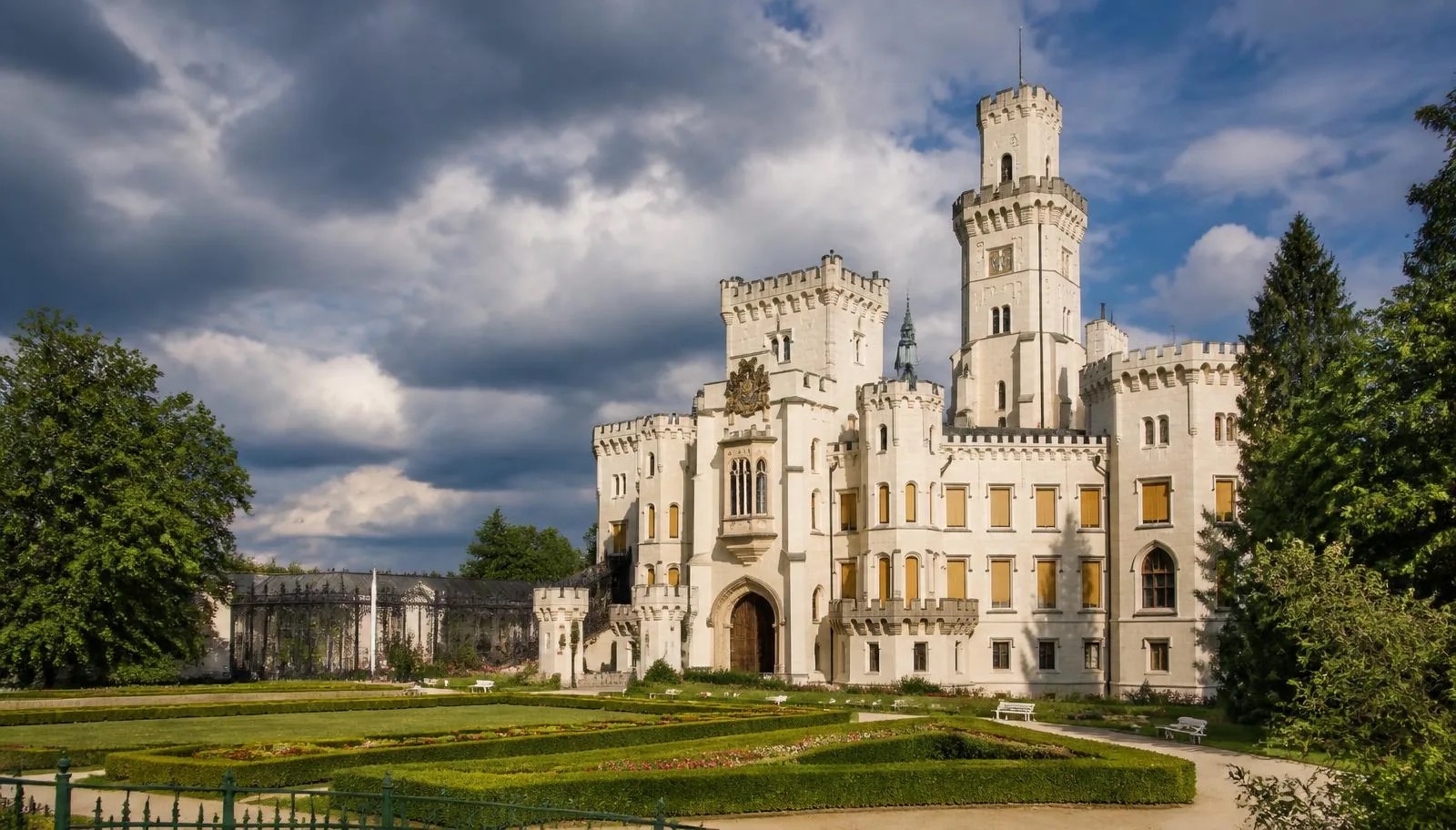
Best Castles in the Czech Republic: Where to Go
Hrad or zámek? A guide to Czech castles and châteaux — Prague Castle, Karlštejn, Hluboká, Lednice-Valtice, Pernštejn and Loket — and how…
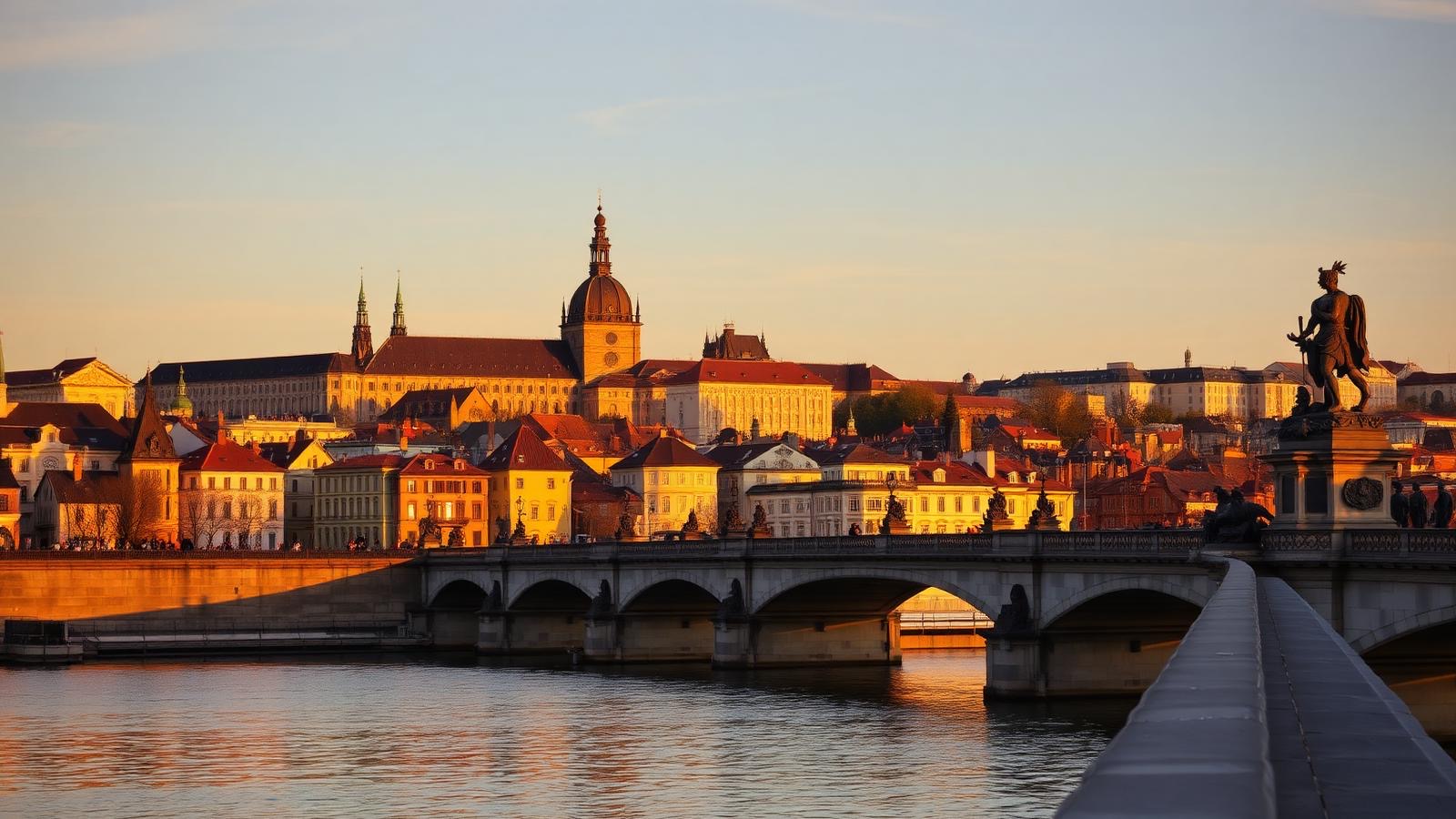
Prague Itinerary: 3 Days of Old Town, Castle and Beer
A three-day Prague itinerary plus day trips to Český Krumlov and Kutná Hora — Old Town, the Castle, beer halls and what a Czech trip costs.
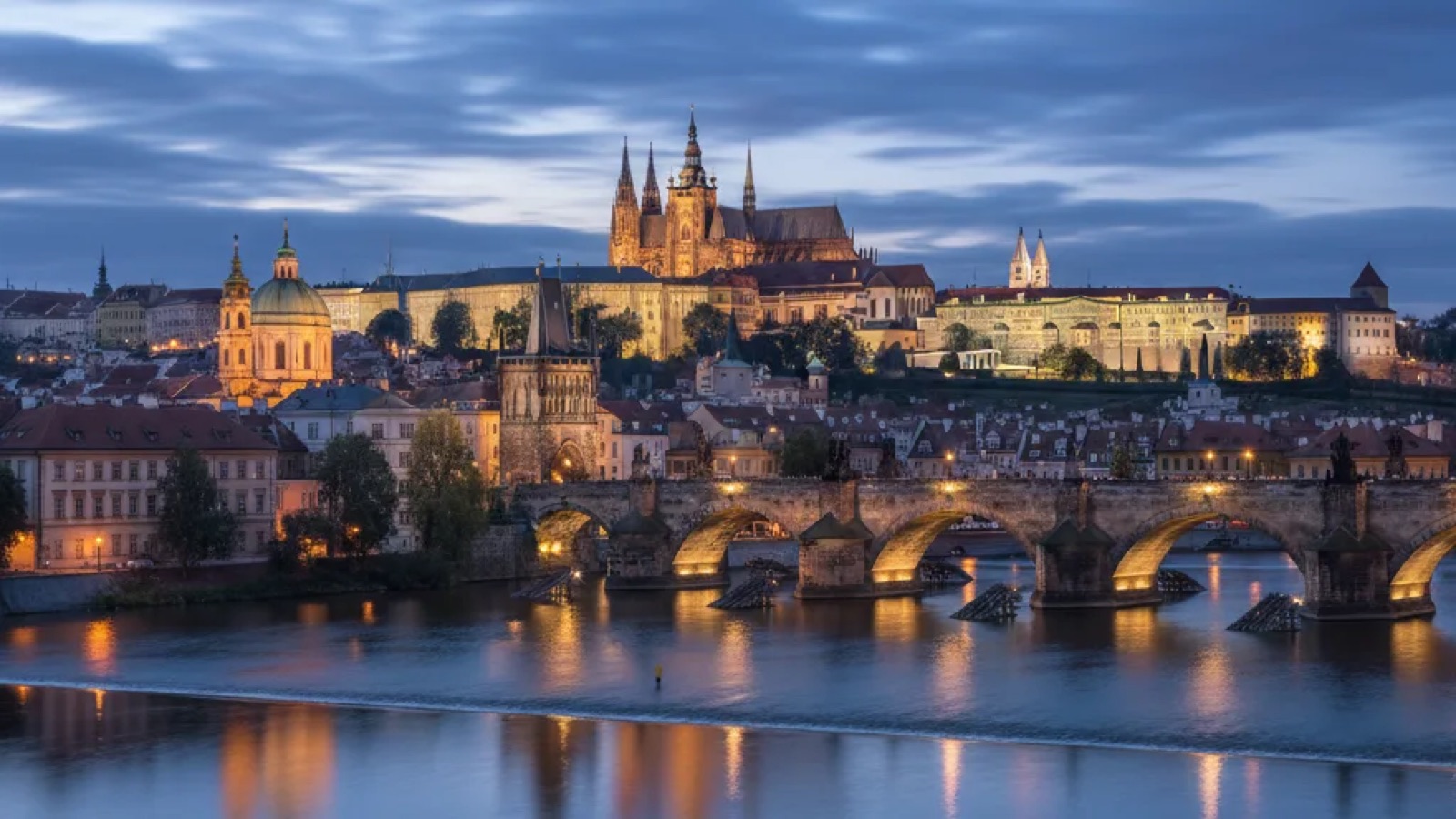
Prague Castle Guide: What to See and When to Go
How to visit Prague Castle without the crush: the ticket circuits, St Vitus, Golden Lane, the changing of the guard and best light.