German Food to Try: Dishes Worth Ordering
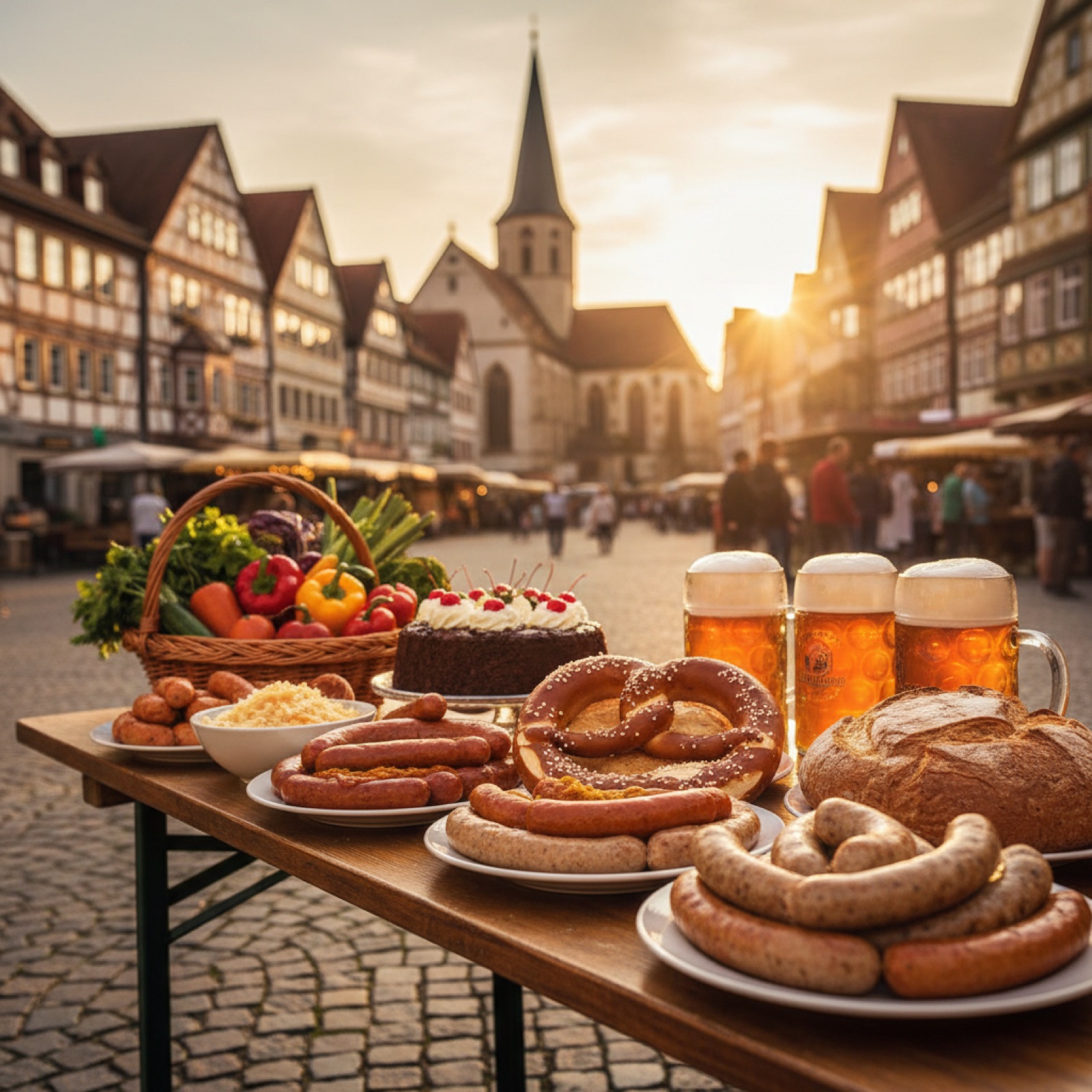
Traditional and regional German dishes, specialties beyond the main course, street and market food, finding good restaurants and what eating out costs.
In this guide
- Introducing German Food
- A Culinary Journey Through Traditional German Dishes
- Savoring Authentic German Cuisine: Regional Delights
- Must-Try German Specialties: Beyond the Main Course
- German Street Food and Market Finds
- Finding the Best German Restaurants and Eateries
- Pro Tips for Enjoying German Food Like a Local
- Budget Breakdown: Eating Your Way Through Germany
- Common Mistakes to Avoid When Eating in Germany
- Conclusion: Your German Food Adventure
This guide is part of our Munich & Germany Travel Guide — start there for the overview, itineraries and costs.
Introducing German Food
Germany is a culinary corner of the world that keeps calling travellers back. A trip to Munich during the lively Oktoberfest isn't just about the beer; it's a revelation of flavours – think perfectly crispy Schweinshaxe, the savoury crackling giving way to tender, juicy pork. This guide will help you truly understand and savour German food in all its delightful diversity. This isn't just about sustenance; it's about uncovering the soul of a country through its kitchens, its markets, and its beer gardens.
Many travelers think of German cuisine as just sausages and potatoes, but that's just scratching the surface! Whether you're looking for iconic main courses, delightful desserts, or hearty street eats, you'll find them in this ultimate guide for 2025. It dives deep into the world of traditional German dishes, uncovers the secrets of authentic German cuisine, and helps you navigate where to find the absolute must-try German specialties, all while sticking to an honest budget. Get ready to embark on your own delicious adventure!
A Culinary Journey Through Traditional German Dishes
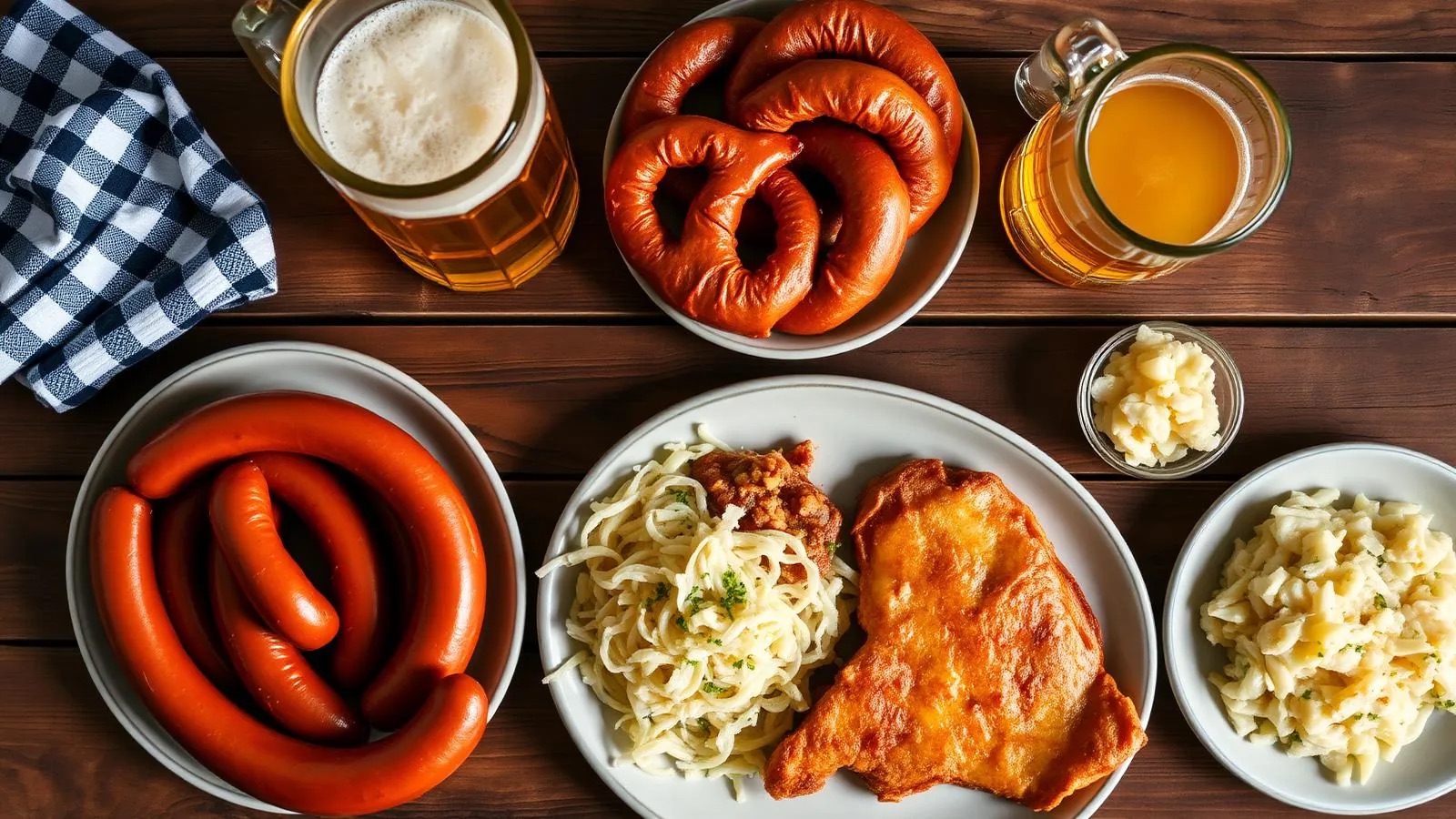
When you think of German food, certain iconic dishes instantly spring to mind. These aren't just meals; they're cultural cornerstones, perfected over centuries. Let's delve into the heart of traditional German dishes that every traveler simply must experience.
Schweinshaxe: The Unforgettable Pork Knuckle
In a bustling Munich beer hall, Schweinshaxe is not just a dish; it’s an event. Picture this: a massive, roasted pork knuckle, its skin rendered to an unbelievably crisp, golden crackling, encasing succulent, fall-off-the-bone meat. Often served with a hearty side of potato dumplings and sauerkraut, it's a feast for the senses. It's a prime example of the comforting, generous portions typical of German dining.
- Where to find it: Beer halls (Biergärten), traditional Bavarian restaurants.
- Typical price: €18-€28 / $20-$30 USD.
- Recommendation: Haxnbauer im Scholastikahaus in Munich.
Address: Sparkassenstraße 6, 80331 München.
Opening Hours: Daily 11:00 AM - Midnight.
Website: haxnbauer.de - Pro Tip: Don't be intimidated by its size! This dish is often slow-cooked for hours, ensuring incredible tenderness. Ask for a dark beer pairing – it complements the richness perfectly.
Schnitzel: A Crispy Classic, Many Variations
No discussion of authentic German cuisine is complete without Schnitzel. While often associated with Austria, Germany has its own beloved variations. The most famous is Wiener Schnitzel, traditionally made from veal, thinly pounded, breaded, and pan-fried to a golden crisp. However, you'll also find 'Jägerschnitzel' (hunter's schnitzel) with a mushroom cream sauce, or 'Zigeunerschnitzel' (gypsy schnitzel) with a bell pepper and tomato sauce. Each bite is a delightful combination of crunchy exterior and tender meat.
- Where to find it: Almost any traditional German restaurant (Gasthaus or Gasthof).
- Typical price: €15-€25 / $16-$27 USD (depending on meat type).
- Pro Tip: Always ask which meat is used – veal is traditional for Wiener Schnitzel, but pork (Schweineschnitzel) is a more common and affordable alternative. A squeeze of fresh lemon juice is essential!
Sausages (Wurst): A World of Flavor
This is where German food truly shines for many. From the ubiquitous Bratwurst to the delicate Weißwurst, Germany boasts over 1,500 types of sausages! Each region has its own specialty, recipe, and way of serving. A trip wouldn't be complete without sampling a few.
- Bratwurst: Grilled pork sausage, often served with mustard and a bread roll (Brötchen) or sauerkraut. A staple at street vendors.
- Currywurst: A Berlin icon! Sliced pork sausage, smothered in a tangy curry-ketchup sauce, often with a sprinkle of curry powder. Served with fries.
- Weißwurst: A Bavarian specialty. White veal and pork sausage, seasoned with parsley and lemon. Traditionally eaten before noon with sweet mustard and a pretzel. Don't eat the skin!
- Where to find it: Street vendors (Imbiss), Christmas markets, traditional restaurants.
- Typical price: €3-€7 / $3.50-$8 USD (street food), €10-€15 / $11-$16 USD (restaurant plate).
- Recommendation for Currywurst: Curry 36 in Berlin.
Address: Mehringdamm 36, 10961 Berlin.
Opening Hours: Daily 09:00 AM - 05:00 AM (yes, almost 24 hours!).
Website: curry36.de - Recommendation for Weißwurst: Weißes Bräuhaus in Munich.
Address: Tal 7, 80331 München.
Opening Hours: Daily 9:00 AM - 11:30 PM. - Pro Tip: Embrace the regional variations! A Thüringer Rostbratwurst is distinct from a Nürnberger Bratwurst. Each tells a local story. And remember the 'noon rule' for Weißwurst if you want to eat it the traditional way.
Spätzle: German Pasta Perfection
Hailing from Swabia, Spätzle are short, soft egg noodles, somewhat akin to irregularly shaped pasta or dumplings. They're often served as a side dish, but 'Käsespätzle' (cheese spätzle) is a glorious main course, layered with caramelized onions and plenty of cheese, often Emmentaler or Bergkäse. It's the ultimate comfort food and a fantastic vegetarian option among traditional German dishes.
- Where to find it: Southern German restaurants, particularly in Baden-Württemberg and Bavaria.
- Typical price: €12-€18 / $13-$20 USD.
- Pro Tip: If you see it on the menu, try 'Linsen mit Spätzle', a regional specialty of lentils with spätzle and usually some sausage. It's unexpectedly delicious!
Sauerbraten: The Marinated Roast
Sauerbraten is a true masterpiece of German culinary skill, showcasing how humble ingredients can be transformed into something extraordinary. This pot roast, typically beef (though venison or pork can be used), is marinated for several days (up to 10!) in a mixture of vinegar, water, wine, herbs, and spices. This long marinade tenderizes the meat and infuses it with a distinctive sweet-sour flavor. It's typically served with a rich, tangy gravy, potato dumplings (Knödel), and often red cabbage. It's hearty, flavorful, and deeply satisfying.
- Where to find it: Upscale traditional restaurants, especially in the Rhineland region.
- Typical price: €20-€30 / $22-$33 USD.
- Pro Tip: The gravy is key! It's often thickened with gingerbread or raisins, giving it layers of complex flavor. Don't be shy about asking for extra.
Savoring Authentic German Cuisine: Regional Delights
One of the true joys of exploring German food is discovering its incredible regional diversity. The cuisine shifts dramatically from north to south, east to west, reflecting local ingredients, historical influences, and even climate. To truly experience authentic German cuisine, you need to taste beyond the national favorites.
Bavarian Bliss: Hearty and Unadulterated
Southern Germany, particularly Bavaria, is synonymous with hearty, robust flavors. Think big portions, rich gravies, and plenty of pork and potatoes. Beyond Schweinshaxe and Weißwurst, you'll find:
- Leberkäse: A fine meatloaf, often baked until golden brown, served hot in thick slices, sometimes with a fried egg or sweet mustard in a roll. Perfect for a quick lunch.
- Obatzda: A spicy Bavarian cheese spread, typically made from Camembert, butter, paprika, and caraway. It's a Biergarten staple, served with fresh pretzels and radishes. Try this creamy, zesty spread with a cold beer at a Biergarten overlooking the English Garden in Munich.
- Pretzel (Brezel): More than just a snack, the Bavarian pretzel is legendary. Soft on the inside, chewy on the outside, with a distinctive lye-glazed crust and coarse salt. The perfect companion to any Bavarian meal or beer.
Northern Narratives: Fish and Fanciful Flavors
Along the North and Baltic Sea coasts, seafood naturally takes center stage. But it's not all fish!
- Fischbrötchen: A simple yet incredibly satisfying fish sandwich, often herring (Matjes or Bismarckhering), smoked eel, or salmon, served in a crusty roll with onions and pickles. A staple of any coastal visit, and a fresh, invigorating snack on a bike tour along the Baltic Sea.
- Labskaus: A quirky, traditional dish from Northern Germany. It's a mash of corned beef, potatoes, onions, and often beetroot, often topped with a fried egg and pickled gherkins. It sounds unusual, but it's surprisingly delicious and incredibly filling.
- Grünkohl mit Pinkel: A winter specialty, particularly in Bremen and Oldenburg. Kale stewed with various smoked sausages (Pinkel is a type of groat sausage) and sometimes boiled potatoes. A warming, rustic dish.
Rhineland Riches: Sweet, Sour, and Savory
The culinary landscape of the Rhineland is influenced by its proximity to Belgium and the Netherlands, creating unique flavor profiles.
- Himmel un Ääd (Heaven and Earth): A delightful combination of mashed potatoes ('Earth') and stewed apples ('Heaven'), often served with fried blood sausage (Blutwurst) and fried onions. It’s a truly comforting and traditional Cologne dish.
- Reibekuchen (Kartoffelpuffer): Crispy potato pancakes, often served with apple sauce (Apfelmus) or sometimes salmon and sour cream. You'll find these at street stalls and Christmas markets everywhere, but they're particularly popular in the west.
Eastern Eats: Comfort and Culinary Ingenuity
The eastern regions offer a mix of hearty, often potato-based dishes, sometimes with Slavic influences.
- Leipziger Allerlei: A classic vegetable dish from Leipzig, typically featuring young peas, carrots, asparagus, morels, and crayfish tails, often bound with a rich butter sauce. It's a celebratory dish, showcasing fresh spring produce.
- Eierschecke: A famous cake from Dresden. It's a three-layered baked cheesecake without a base, featuring a rich quark (cream cheese) layer, a viscous egg-yolk butter layer, and a crumbly topping. A must-try for dessert lovers!
These regional specialties truly embody the spirit of authentic German cuisine, offering a deeper insight into the country's diverse culinary heritage. Keep an eye out for local recommendations when you visit different cities!
Must-Try German Specialties: Beyond the Main Course
While the main courses are undeniably star attractions of German food, it would be a mistake to overlook the incredible range of appetizers, sides, baked goods, and desserts that complete the culinary picture. These are the must-try German specialties that add layers of flavor to any meal.
Beilagen (Side Dishes): The Unsung Heroes
German side dishes are far from afterthoughts; they are integral to the meal. Learning about them will enrich your experience of traditional German dishes.
- Knödel (Dumplings): These come in many forms – Potato Knödel (Kartoffelknödel), Semmelknödel (bread dumplings), or even Leberknödel (liver dumplings) in a broth. They're perfect for soaking up rich gravies.
- Sauerkraut: Fermented cabbage, tangy and savory, often simmered with juniper berries and bacon. It's excellent for digestion and a classic pairing for almost any pork dish.
- Rotkohl (Red Cabbage): Braised red cabbage, often sweetened with apples, onions, and sometimes vinegar, giving it a delightful sweet-and-sour profile. Another excellent accompaniment to roasted meats.
- Bratkartoffeln: Pan-fried potato slices, often with bacon and onions, crisped to perfection. A rustic and delicious alternative to boiled or mashed potatoes.
Brot und Brötchen (Bread and Rolls): A Daily Essential
Germany takes its bread seriously. Forget limp white loaves; here, you'll find a bewildering array of dark, dense, crusty, and incredibly flavorful breads. My morning ritual in Germany often involves stopping at a local bakery for fresh Brötchen and coffee – a simple pleasure that defines so much of daily life.
- Schwarzbrot/Pumpernickel: Dark, dense rye breads, often sourdough, packed with flavor and incredibly filling.
- Graubrot/Mischbrot: 'Grey bread' or 'mixed bread', often a blend of rye and wheat, offering a slightly lighter texture but still substantial.
- Brötchen: Fresh bread rolls, perfect for breakfast or as a side with almost any meal. Varieties include poppy seed, sesame seed, multigrain, and more.
- Where to find it: Any bakery (Bäckerei). There's one on almost every corner!
- Typical price: €0.50-€1.50 / $0.55-$1.65 USD per roll; €3-€6 / $3.30-$6.60 USD for a loaf.
Kuchen und Gebäck (Cakes and Pastries): Sweet Endings
German cakes and pastries are renowned worldwide for their richness and comforting flavors. A visit to a 'Kaffee und Kuchen' (coffee and cake) afternoon is a quintessential German experience.
- Schwarzwälder Kirschtorte (Black Forest Cake): Layers of chocolate sponge cake, whipped cream, cherries, and Kirsch (cherry brandy). It's iconic for a reason!
- Apfelstrudel (Apple Strudel): Thin pastry filled with spiced apples, raisins, and sometimes nuts. Often served warm with vanilla sauce or ice cream.
- Cheesecake (Käsekuchen): German cheesecake is different from its American counterpart, often made with quark cheese (a fresh dairy product), giving it a lighter, tangier flavor.
- Bienenstich (Bee Sting Cake): A delicious yeast cake with a baked-on topping of caramelized almonds and filled with vanilla cream or custard.
- Where to find it: Cafes (Café), bakeries (Konditorei).
- Typical price: €3.50-€5.50 / $3.80-$6 USD per slice.
- Pro Tip: Don't just grab a coffee; experience ‘Kaffee und Kuchen’. It’s a cherished German tradition, usually observed in the afternoon, providing a perfect break from sightseeing.
German Street Food and Market Finds
While elegant restaurants offer refined experiences, some of the best and most authentic German food can be found right on the streets or in bustling markets. These are often budget-friendly and offer a quick, delicious bite.
Imbiss Stands: Quick, Delicious, and Everywhere
An 'Imbiss' is a German snack stand, and they are a vital part of the culinary landscape. It's where you'll find the most accessible and often most affordable must-try German specialties quickly.
- Currywurst and Pommes (fries): As mentioned earlier, a Berlin legend, but found all over. The perfect late-night snack or quick lunch.
- Bratwurst im Brötchen: A grilled sausage in a simple bread roll, with a dollop of mustard. Simple, classic, and always satisfying.
- Döner Kebab: While Turkish in origin, Germany has embraced the Döner Kebab as its own unofficial national street food. Invented in Berlin by Turkish immigrants, you'll find amazing quality döner stands everywhere. Expect thinly sliced seasoned meat (chicken, lamb, or veal), fresh salad, and various sauces, all wrapped in warm flatbread. A robust, flavorful meal on the go.
- Fish Brötchen: Especially prevalent in northern coastal cities, these herring or mackerel sandwiches are fresh, healthy, and incredibly tasty.
- Typical Price Range: €3.50-€8 / $3.80-$8.80 USD.
Wochenmärkte (Weekly Markets) & Weihnachtsmärkte (Christmas Markets)
Markets are a sensory overload in the best possible way, offering a chance to taste hyper-local and seasonal delights.
- Wochenmärkte (Weekly Markets): These aren't just for groceries. Many weekly markets have food stalls selling freshly made regional specialties, from soups and stews to pastries and sausages. It’s a fantastic way to experience authentic German cuisine and observe local life. In Freiburg, for example, you might find incredible Flammkuchen baked right there in a mobile wood-fired oven.
- Weihnachtsmärkte (Christmas Markets): If you're lucky enough to visit Germany during winter, Christmas markets are a culinary paradise. Here, you'll find:
- Glühwein: Mulled wine, a warm, spiced red wine that's essential for keeping warm!
- Lebkuchen: Gingerbread cookies, often heart-shaped and beautifully decorated.
- Germknödel: A large, fluffy yeast dumpling filled with plum jam, topped with melted butter, poppy seeds, and sugar.
- Reibekuchen/Kartoffelpuffer: Potato pancakes sizzled on a griddle, served with apple sauce.
- Flammkuchen (Tarte Flambée): A thin, crispy flatbread from the Alsace region (bordering Germany), topped with crème fraîche, onions, and bacon.
- Typical Price Range at Markets: €3-€6 / $3.30-$6.60 USD for most items.
- Recommendation for Christmas Market experience: Nuremberg's Christkindlesmarkt, one of the oldest and most famous.
Address: Hauptmarkt, 90403 Nürnberg (dates vary, typically late Nov to Dec 24th). - Freshly grilled bratwurst is a classic German street food experience.
Finding the Best German Restaurants and Eateries
To truly immerse yourself in German food culture, it's helpful to know the different types of establishments you'll encounter. From casual to upscale, each offers a unique experience for savoring authentic German cuisine.
Gasthof / Gasthaus: Traditional Comfort
These are traditional inns or guest houses, often family-run, serving classic, hearty traditional German dishes in a cozy, rustic atmosphere. They are fantastic places to experience local cuisine and hospitality.
- What to expect: Wood-paneled interiors, generous portions, regional specialties, and often a selection of local beers or wines.
- Typical Price Range (Main Course): €15-€25 / $16-$27 USD.
- Finding them: Look for 'Gasthaus' or 'Gasthof' signs, especially in smaller towns or the older parts of cities. Ask locals for their favorite 'Wirtschaft' (another term for a traditional pub/restaurant).
Biergärten (Beer Gardens): Iconic Outdoor Dining
A quintessential Bavarian experience, Biergärten are outdoor spaces where you can enjoy beer, often brewed on-site, alongside simple, delicious food. They are typically self-service or family-style seating, fostering a lively communal atmosphere. My most cherished memories of eating German food often involve a sunny afternoon in a bustling Biergarten.
- What to expect: Long communal tables, large steins of beer, and food like pretzels, Obatzda, Wurst, Hendl (roast chicken), and often hearty salads. Many allow you to bring your own food (but not drinks!).
- Typical Price Range: €5-€15 / $5.50-$16 USD for a meal (plus beer) if you buy there; free if you bring your own food.
- Recommendation: Hirschgarten in Munich, Germany's largest beer garden.
Address: Hirschgarten 1, 80639 München.
Opening Hours: Daily 11:00 AM - Midnight (times can vary seasonally).
Brauhaus (Brewery Restaurants): Beer & Food Under One Roof
Similar to Biergärten but often indoors and focusing on a specific brewery's offerings. They typically have a more extensive food menu, usually featuring regional specialties designed to pair with their beers.
- What to expect: Delicious, freshly brewed beer, typical traditional German dishes like Schweinshaxe, Schnitzel, and various sausages. Lively atmosphere, especially in the evenings.
- Typical Price Range: €15-€28 / $16-$30 USD for a main course.
- Recommendation: Hofbräuhaus München (a classic, though very touristy, still worth a visit for the atmosphere).
Address: Platzl 9, 80331 München.
Opening Hours: Daily 09:00 AM - Midnight.
Website: hofbraeuhaus.de - Alternative Recommendation (less touristy in Cologne): Früh am Dom.
Address: Am Hof 12-18, 50667 Köln.
Opening Hours: Daily 08:00 AM - Midnight.
Feinschmeckerrestaurants (Gourmet Restaurants): Fine Dining German Style
For those seeking a more refined culinary experience, Germany boasts many Michelin-starred restaurants that reinterpret German food with modern techniques and global influences. These are excellent places to discover contemporary authentic German cuisine.
- What to expect: Creative menus, exquisite presentation, attentive service, and often tasting menus. Reservations are highly recommended.
- Typical Price Range: €80+ / $88+ USD for a multi-course meal (excluding drinks).
- Finding them: Consult Michelin Guide, Gault&Millau, or local gourmet food blogs.
Pro Tips for Enjoying German Food Like a Local
To truly savour your German culinary adventure and make the most of every bite, here are some insider tips:
- Embrace the Seasons: German cuisine is deeply seasonal. Asparagus (Spargel) in spring, wild game and mushrooms in autumn, and hearty stews in winter. Look for seasonal specials on menus, often highlighted as 'Saisonale Spezialitäten'.
- Don't Fear the Heavy: Yes, a lot of German food is hearty, but it's designed to be. Don't try to eat light all the time. Balance rich meals with fresh salads or lighter breakfast fare. A brisk walk before and after helps!
- Master the 'Mittagstisch': Many restaurants offer a 'Mittagstisch' (lunch menu) during weekdays, typically from 11:30 AM to 2:00 PM. These are often significantly cheaper than dinner prices and a fantastic way to try more expensive traditional German dishes on a budget.
- Try the Local Beer/Wine: Germany's beer culture is legendary, but many regions also produce excellent wine (especially Riesling in the Mosel and Rhine regions) and Schnaps (fruit brandies). Ask your server for local pairings.
- Always Carry Cash (especially for Imbiss): While card payments are becoming more common, many smaller Imbiss stands and even some traditional pubs prefer or only accept cash.
- A bustling biergarten offers a quintessential taste of German food culture.
- Learn a Few Phrases: 'Guten Appetit!' (Enjoy your meal!), 'Danke schön' (Thank you very much), and 'Kann ich bitte die Rechnung haben?' (Can I have the bill, please?) will go a long way.
- Don't Be Afraid to Ask: If you're unsure what something is on the menu, ask your server. Most Germans are friendly and happy to explain their local specialties.
- Savor Your Coffee and Cake: When partaking in 'Kaffee und Kuchen', slow down. It's a moment for relaxation and conversation, not a hurried snack.
Budget Breakdown: Eating Your Way Through Germany
Eating well in Germany doesn't have to break the bank. Here's a realistic look at daily food costs, helping you plan your culinary journey and experience plenty of German food.
| Meal/Item | Budget Traveler (€ / USD) | Mid-Range Traveler (€ / USD) | Luxury Traveler (€ / USD) |
|---|---|---|---|
| Breakfast (Bakery/Hotel) | €5-€8 / $5.50-$9 | €8-€15 / $9-$16.50 | €15-€25+ / $16.50-$27.50+ |
| Lunch (Imbiss/Mittagstisch) | €7-€12 / $7.70-$13 | €12-€20 / $13-$22 | €20-€35 / $22-$38.50 |
| Dinner (Traditional Restaurant) | €15-€25 / $16.50-$27.50 | €25-€40 / $27.50-$44 | €40-€80+ / $44-$88+ |
| Snacks/Drinks (Coffee, Beer, Cake) | €5-€10 / $5.50-$11 | €10-€15 / $11-$16.50 | €15-€25+ / $16.50-$27.50+ |
| Daily Total (Estimate) | €32-€55 / $35-$60 | €55-€90 / $60-$99 | €90-€165+ / $99-$181+ |
Notes for the Budget Breakdown:
- Budget Traveler: Focuses on supermarket self-catering for breakfast, Imbiss stands for lunch, and sometimes Mittagstisch or simple pub food for dinner. Buying drinks from supermarkets instead of restaurants.
- Mid-Range Traveler: Enjoys a mix of bakery breakfasts, several Imbiss lunches, and frequent meals at traditional Gasthäuser or Brauhäuser, with occasional coffee and cake. Includes 1-2 beers with dinner.
- Luxury Traveler: Dines at nicer restaurants, perhaps a fine dining experience, enjoys leisurely cafe breakfasts, multiple courses for dinner, and regular drinks.
- Currency Conversion: Based on an approximate rate of 1 EUR = 1.10 USD (as of late 2024/early 2025 – always check current rates).
- Tipping: Tipping is customary but not mandatory in Germany. Round up the tab or leave 5-10% for good service. For instance, if your bill is €28.50, you might say 'Machen Sie 31 bitte' (Make it 31, please).
Common Mistakes to Avoid When Eating in Germany
Even seasoned travellers can trip up sometimes! Here are a few common pitfalls to avoid when navigating the world of German food, ensuring a smooth and delicious experience:
- Underestimating Portion Sizes: German meals are notoriously generous. Don't over-order, especially if you're dining alone. Sharing a main course, or opting for an appetizer as your main, can be a smart move.
- Expecting English Menus Everywhere: While common in major tourist hubs like Berlin and Munich, smaller towns and more traditional eateries might only have menus in German. A translation app on your phone will be your best friend.
- Ignoring Regional Specialties: Sticking only to Bratwurst and Schnitzel means missing out on the incredible diversity. Venture out and try the local fare wherever you are. The best food is often off the beaten path!
- Not Carrying Cash: As mentioned, many smaller establishments, especially Imbiss stands and some bakeries, operate on a cash-only basis. Always keep some Euros in your wallet.
- Forgetting to Reserve for Dinner: Especially on weekends or in popular cities, reputable restaurants can fill up quickly. Make a reservation to avoid disappointment, particularly if you're seeking out specific best German restaurants.
- Ordering a 'Pils' in Cologne: In Cologne, the local beer is Kölsch. In Düsseldorf, it's Altbier. Ordering the wrong one might get you a friendly (or not-so-friendly) raised eyebrow! Embrace the local beer culture.
- Being Impatient About Service: Service in Germany can sometimes feel a bit slower than in some other countries, and servers won't hover. This isn't rudeness; it's cultural. They respect your privacy and won't interrupt unless called.
- Eating Weißwurst After Noon: This Bavarian tradition is often taken seriously. While you might still get it, you'll mark yourself as a tourist (and potentially get an older, slightly less fresh sausage!).
Conclusion: Your German Food Adventure
From the first crispy bite of a pretzel in a Bavarian Biergarten to the last comforting spoonful of Käsespätzle in Swabia, Germany's food is nothing short of spectacular. This guide to German food should equip you with everything you need to embark on your own delicious adventure in 2025.
Remember, German cuisine is far more nuanced and diverse than often perceived. It's a landscape of rich flavors, hearty portions, and comforting traditions, deeply rooted in history and regional pride. Whether you're hunting down traditional German dishes, exploring the subtleties of authentic German cuisine, or simply seeking out the must-try German specialties, you're in for a treat.
So, pack your appetite, keep this guide handy, and prepare to discover why the culinary heart of Germany beats so strongly. Guten Appetit, and happy travels!
More Germany guides

Berlin Travel Guide: History, Neighbourhoods and Food
Berlin on foot and by U-Bahn: the history sites that matter, how the neighbourhoods differ, museum planning, food markets and how many…
Munich Travel Guide: Beer Gardens, Castles & Old Town
When to go, the Old Town and Marienplatz, beer gardens and halls, Oktoberfest timing, day trips to Neuschwanstein and Dachau, transport…

Germany Travel Guide: Cities, Castles and Regions
Germany's regions and major cities, castles, scenic roads and the Alps, festivals, food and beer, trains and the autobahn, seasons and…