Cairo Markets: Khan el-Khalili and Beyond
Shopping Cairo's markets - the alleys of Khan el-Khalili, what to buy, realistic prices, how to haggle politely, and the quieter local souks worth finding.
In this guide
- My Journey Through the Heart of Cairo Markets
- Table of Contents
- Khan el-Khalili Cairo: The Legendary Bazaar & Must-Visit Egyptian Souvenir Destination
- Beyond Khan el-Khalili: Local Shopping in Cairo for Authentic Egyptian Souvenirs
- What to Buy in Cairo Markets: Top Egyptian Crafts and Treasures
- Haggling Tips for Cairo Bazaars: Shop Like a Local
- Practical Guide: Navigating Cairo Markets
- Foodie Finds and Spice Markets in Cairo
- My Cairo Market Budget Breakdown
- Common Mistakes to Avoid When Shopping in Cairo
- Conclusion: Your Unforgettable Cairo Shopping Adventure
- Explore in Depth
This guide is part of our Egypt Travel Guide — start there for the overview, itineraries and costs.
My Journey Through the Heart of Cairo Markets
A destination truly comes alive when you immerse yourself in its local culture, and that often means diving headfirst into the bustling, vibrant world of its markets. Beyond Egypt's ancient wonders, the sensory explosion of the Cairo markets is captivating: the aroma of exotic spices, the kaleidoscope of colours from intricate textiles, the friendly haggling echoing through narrow alleys – it’s an experience like no other. In 2025, Cairo's market scene remains as intoxicating as ever, a timeless tapestry woven with history and everyday life. This guide uncovers the best places for local shopping in Cairo, ensuring you find those perfect, authentic treasures to take home.
Forget the sterile malls; when you want to feel the pulse of Egyptian daily life and find genuinely unique items, you head straight for the Cairo markets. These aren't just places to buy things; they are social hubs, historical sites, and culinary delights rolled into one. From the world-renowned Khan el-Khalili to hidden local gems, this guide is designed to help you navigate, haggle, and savor every moment of your shopping in Cairo experience. Get ready to fill your bags and your memories!
Table of Contents
- Khan el-Khalili Cairo: The Legendary Bazaar
- Beyond Khan el-Khalili: Local Shopping in Cairo for Authentic Egyptian Souvenirs
- What to Buy in Cairo Markets: Top Egyptian Crafts and Treasures
- Haggling Tips for Cairo Bazaars: Shop Like a Local
- Practical Guide: Navigating Cairo Markets in 2025
- Foodie Finds and Spice Markets in Cairo
- My Cairo Market Budget Breakdown for 2025
- Common Mistakes to Avoid When Shopping in Cairo
- Conclusion: Your Unforgettable Cairo Shopping Adventure
Khan el-Khalili Cairo: The Legendary Bazaar & Must-Visit Egyptian Souvenir Destination
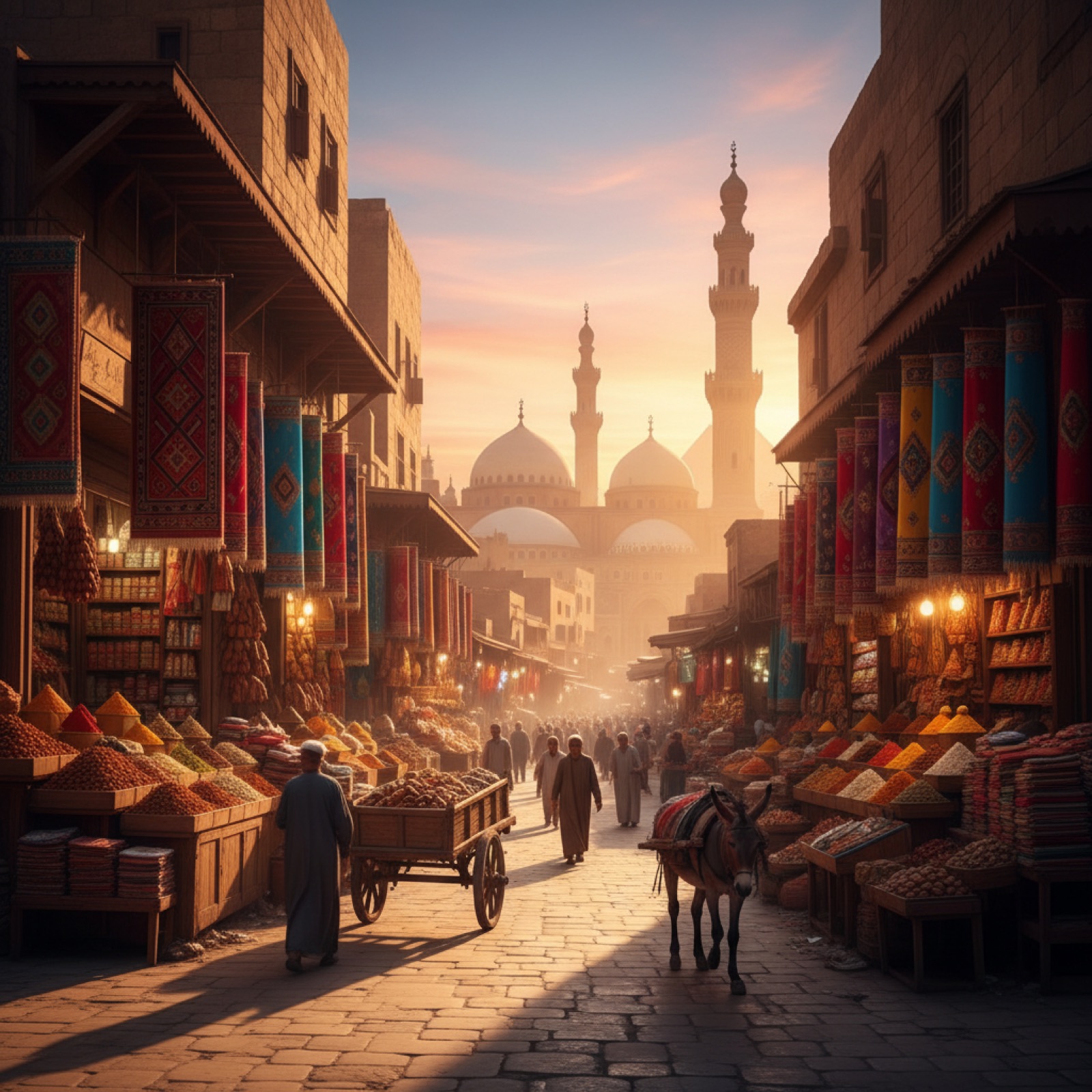
No discussion of Cairo markets is complete without first talking about Khan el-Khalili Cairo. This ancient bazaar, dating back to the 14th century, is more than just a marketplace; it's a living museum, a labyrinth of alleys where history whispers from every stall. A first visit feels like stepping into an 'Arabian Nights' tale. The sheer scale and variety of goods are astounding – from gleaming silver jewellery and handcrafted leather goods to vibrant spices and intricate lanterns.
History and Atmosphere of Khan el-Khalili
The Khan, as it’s affectionately known, was originally a caravanserai (a roadside inn for travelers and merchants). Today, it retains much of that historical charm. You'll find workshops where artisans meticulously create their crafts right before your eyes. The air is thick with the scent of shisha smoke from bustling coffee houses like El Fishawi (also known as the 'Café of Mirrors'), the oldest cafe in Cairo. It’s here, sipping mint tea, that you truly absorb the essence of shopping in Cairo.
What to Find in Khan el-Khalili: Essential Egyptian Souvenirs
While often seen as a tourist hub, Khan el-Khalili is still one of the best places for Egyptian souvenirs. You'll discover:
- Hand-blown Glassware: Delicate perfume bottles and colorful decorative pieces.
- Copper and Brassware: Intricately etched trays, lamps, and bowls. You can find stunning pieces for around EGP 500-2000 ($10-$40 USD) depending on size and detail.
- Silver Jewelry: Often crafted with ancient Egyptian motifs. Be sure to look for a hallmark and verify authenticity. A simple silver pendant might start from EGP 300 ($6 USD).
- Spices and Herbs: From hibiscus tea to exotic cooking spices. Expect to pay EGP 50-100 ($1-2 USD) for a small bag.
- Leather Goods: Bags, wallets, and belts, though quality can vary.
- Shisha Pipes (Hookahs): Decorative and functional. A good basic shisha can cost EGP 400-800 ($8-$16 USD).
- Papyrus Scrolls: Often featuring hieroglyphs or ancient Egyptian scenes. Be wary of cheap banana-leaf fakes; genuine papyrus has a distinctive texture. A small, genuine papyrus painting often begins around EGP 200 ($4 USD).
Pro Tip for Khan el-Khalili: While fantastic, prices here tend to be higher than in other Cairo markets due to its popularity. Always haggle! Start at 30-40% of the asking price and aim to meet somewhere in the middle. Don't be afraid to walk away; another stall will likely have something similar.
Address: El-Gamaleya, El Gamaliya, Cairo Governorate, Egypt.
Opening Hours: Most shops are open daily from around 9:00 AM to late evening (10:00 PM or later), though some may close for a few hours in the afternoon. Fridays can be quieter in the mornings, picking up after afternoon prayers.
Beyond Khan el-Khalili: Local Shopping in Cairo for Authentic Egyptian Souvenirs
While Khan el-Khalili is iconic, true local shopping in Cairo requires venturing a little further. These lesser-known Cairo markets offer a more authentic, less tourist-centric experience, often with better prices and a chance to truly connect with local vendors. My most treasured finds often come from these hidden gems.
Wekalet El Balah: Cairo's Textile Treasure Trove
If you're into fabrics, textiles, or even unique costume pieces, Wekalet El Balah is your paradise. Located along the Nile near the Ramses Hilton, this market specializes in everything fabric-related. From bolts of luxurious silks and cottons to denim, upholstery material, and even second-hand clothes, it's a vibrant, sometimes chaotic, experience. It's easy to spend an entire afternoon here hunting for unique embroidered fabrics.
- What to Buy: High-quality Egyptian cotton, embroidered fabrics, various silks, denim. You can find good quality cotton fabric for EGP 50-150 ($1-$3 USD) per meter.
- Address: Sharia El Souk, Bulaq, Cairo Governorate, Egypt (near Ramses Hilton).
- Opening Hours: Generally, Saturday to Thursday, 9:00 AM – 6:00 PM. Fridays are usually closed.
- Pro Tip: This market is less accustomed to tourists, so prices might be more fixed, but still try a gentle haggle. It's a great place to buy fabric in bulk.
Souq al-Fustat: Contemporary Crafts in Historic Cairo
Located near the Amr Ibn al-Aas Mosque in Old Cairo, Souq al-Fustat offers a slightly more curated, art-focused shopping experience. It's a newer development, designed to preserve and promote traditional Egyptian crafts. While less chaotic than Khan el-Khalili, it's rich in culture and high-quality artisan goods. Look out for hand-painted ceramic bowls, which make real statement pieces.
- What to Buy: Ceramics, pottery, hand-blown glass, traditional jewelry, intricate woodwork. A beautiful hand-painted ceramic plate can range from EGP 400-800 ($8-$16 USD).
- Address: Corner of Amr Ibn al-Aas Street and Mar Girgis Street, Old Cairo.
- Opening Hours: Daily, approximately 10:00 AM – 7:00 PM.
- Pro Tip: Prices here might be slightly higher but generally reflect the quality of the artisanal work. Haggling is still expected but might be more subtle.
Attaba Market: The Local's Everyday Bazaar
For a truly immersive, non-touristy experience, head to Attaba Market, one of the largest and busiest Cairo bazaars. This market sells everything under the sun, catering primarily to locals. It's crowded, loud, and can be overwhelming, but it's an incredible insight into daily Egyptian life, with great street food and endless photogenic scenes.
- What to Buy: Household goods, clothes, electronics, spices, fruits, vegetables. While not ideal for typical Egyptian souvenirs, it's great for observing local life and picking up everyday items at local prices.
- Address: Located in the Attaba district, easily accessible by metro (Attaba Station).
- Opening Hours: Daily, morning until late evening, though it's busiest during daylight hours.
- Pro Tip: Keep a close eye on your belongings in this bustling market. It's more about the experience than finding unique tourist items. Bargain hard!
Street Vendors and Pop-Up Stalls: Spontaneous Finds in Cairo
Don't just stick to the designated markets! As you explore Cairo's neighborhoods, particularly around mosques and busy squares, you'll encounter numerous street vendors and pop-up stalls. These can be fantastic for impromptu purchases of small Egyptian souvenirs, snacks, or even unique artwork. A beautifully illustrated small book about Egyptian mythology from a street vendor near the Citadel, for example, might cost EGP 150 ($3 USD).
What to Buy in Cairo Markets: Top Egyptian Crafts and Treasures
Navigating the sheer volume of goods in Cairo markets can be daunting. To help you focus your shopping in Cairo, here's a curated list of authentic and popular items you should keep an eye out for, ensuring you bring home genuine Egyptian souvenirs.
1. Authentic Papyrus Scrolls
Papyrus, the ancient paper of the Egyptians, makes for a truly unique souvenir. Look for pieces displaying scenes from ancient mythology, pharaohs, or hieroglyphic writings.
Price Range: Small, genuine pieces start from EGP 200 ($4 USD); larger, more intricate ones can go up to EGP 1000 ($20 USD) or more.
How to Spot a Fake: True papyrus is fibrous and has a distinctive, slightly rough texture. If it feels too smooth, like paper, or tears easily, it's likely made from banana leaves. Genuine papyrus can be rolled without cracking.
2. Hand-Blown Glass Items
From delicate perfume bottles (often with applicator wands) to colorful small vases and decorative ornaments, Egyptian hand-blown glass is exquisite. The craftsmanship is evident in the vibrant colors and detailed designs.
Price Range: Small perfume bottles EGP 100-300 ($2-$6 USD); larger decorative pieces EGP 400-1500 ($8-$30 USD).
3. Spices, Herbs, and Teas
The aromas alone are worth the visit to the spice sections of Cairo markets. You'll find an incredible array:
- Hibiscus (Karkadeh): Popular for making a refreshing red tea.
- Za'atar: A blend of thyme, sesame seeds, and sumac.
- Cumin, Coriander, Cardamom: Often fresher and more aromatic than what you find back home.
- Sahlab: A creamy, warm winter drink powder.
Price Range: EGP 50-150 ($1-$3 USD) per 100-200g bag, depending on the spice.
4. Copper and Brassware
Intricately etched trays, wall hangings, lamps, and decorative bowls are common. These pieces often feature geometric patterns or calligraphic designs. They make for striking home decor.
Price Range: Small decorative plates EGP 300-600 ($6-$12 USD); larger trays or lamps EGP 800-3000 ($16-$60 USD).
5. Leather Goods
Bags, wallets, belts, and even small poufs crafted from various types of leather. While quality can vary, you can find some excellent handcrafted pieces, especially if you seek out dedicated leather shops within Cairo bazaars.
Price Range: Wallets EGP 200-500 ($4-$10 USD); small bags EGP 600-1500 ($12-$30 USD).
6. Scarves and Textiles
From fine pashminas to colorful cotton scarves and embroidered fabrics, textiles are a popular buy. Look for traditional Egyptian patterns and high-quality cotton or silk.
Price Range: Cotton scarves EGP 100-300 ($2-$6 USD); higher quality pashminas or embroidered pieces EGP 400-1500 ($8-$30 USD).
7. Cartouches and Nameplate Jewelry
A cartouche is an oval with a horizontal line at one end, indicating that the text enclosed is a royal name. You can have your name (or a loved one's) inscribed in hieroglyphs on a silver or gold cartouche pendant. It makes a lasting keepsake among Egyptian souvenirs.
Price Range: Silver cartouche EGP 500-1500 ($10-$30 USD) depending on size; gold significantly more.
Haggling Tips for Cairo Bazaars: Shop Like a Local
Haggling is an art form in Cairo markets, and embracing it is part of the fun of local shopping Cairo. Here's how to negotiate like a pro:
- Be Prepared to Haggle: Assume the first price offered is inflated, especially in touristy areas like Khan el-Khalili Cairo.
- Start Low: A good rule of thumb is to offer 30-50% of the initial asking price. Don't be afraid; it's expected.
- Be Polite and Friendly: A smile, a joke, and a respectful demeanor go a long way. This isn't a battle; it's a social interaction.
- Know Your Limit: Decide beforehand what you're willing to pay for an item and stick to it.
- Walk Away: This is your most powerful tool. If you can't agree on a price, politely thank them and start to walk away. Often, the vendor will call you back with a better offer.
- Buy Multiple Items: If you're buying several items from the same vendor, you have more leverage to ask for a better overall price.
- Don't Rush: Take your time. Enjoy the process. Rushed haggling rarely yields the best results.
- Convert to Local Currency (EGP): Always think and bargain in Egyptian Pounds to avoid confusion and potential overspending due to unfavorable exchange rates offered by vendors.
- Cash is King: While some larger shops might accept cards, cash (EGP) is preferred, especially in smaller stalls and street vendors. You might even get a better deal with cash.
Practical Guide: Navigating Cairo Markets
Getting around the bustling Cairo markets requires a bit of planning. Here’s what you need to know for a smooth shopping in Cairo experience:
Best Time to Visit
- Morning: Less crowded, cooler temperatures. Great for serious shopping.
- Late Afternoon/Evening: Markets come alive with lights and people, offering a magical atmosphere, especially in Khan el-Khalili Cairo. Can be very crowded.
- Avoid Fridays: Many shops, particularly textile markets like Wekalet El Balah, may be closed or have reduced hours due to Friday prayers.
Getting Around Cairo Markets
- Walking: Essential for navigating the narrow alleys within markets like Khan el-Khalili. Wear comfortable shoes!
- Metro: Efficient and cheap. The closest stations to Khan el-Khalili are Bab El-Shaaria or Attaba (then a short walk or taxi). Attaba station is perfect for Attaba Market. A single metro ticket costs EGP 10-20 ($0.20-$0.40 USD) depending on the number of stops.
- Taxis/Ride-Sharing (Uber/Careem): Readily available and convenient. Always agree on a price beforehand or ensure the meter is running. For example, a ride from Downtown Cairo to Khan el-Khalili might cost EGP 50-100 ($1-$2 USD).
- Tuk-tuks: For short distances in specific neighborhoods, these can be a fun, cheap, and exhilarating way to get around (negotiate price first!).
Safety Tips for Cairo Shopping
- Watch Your Belongings: Like any busy market, pickpocketing can occur. Keep wallets in front pockets and bags securely closed.
- Stay Hydrated: Especially if visiting during warmer months. Carry water.
- Dress Modestly: Out of respect for local customs, particularly in older market areas, cover your shoulders and knees.
- Be Wary of Scams: While most vendors are honest, be aware of common tourist scams (see 'Common Mistakes' section).
- Keep Small Bills: Makes transactions easier and reduces the chance of 'no change' scams.
Language Basics to Help You Haggle
Knowing a few Arabic phrases can go a long way in making connections and even getting a better deal in Cairo markets:
- Salam Alaykum (Peace be upon you): Hello
- Wa Alaykum Salam (And peace be upon you): Response to hello
- Shukran (شكرا): Thank you
- Afwan (عفوا): You're welcome / Excuse me
- Kam hatha? (كم هذا؟): How much is this?
- Ghali gidan (غالي جدا): Too expensive!
- Mumkin takhfeef? (ممكن تخفيض؟): Can you lower the price?
- La' (لا): No
- Na'am (نعم): Yes
Foodie Finds and Spice Markets in Cairo
Beyond the crafts and textiles, Cairo markets are a feast for the senses, especially for your taste buds! The spice markets Cairo offers are a highlight, but don't miss the chance to try some delicious street food and local treats.
Exploring Cairo's Spice Bazaars
The spice sections, often found within larger markets like Khan el-Khalili Cairo or dedicated areas in Attaba, are a fragrant wonderland. Mountains of vibrant powders, bundles of dried herbs, and exotic scents fill the air. Fresh cumin and zesty sumac are well worth picking up.
- Must-try Spices:
- Karkadeh (Hibiscus): For the famous red tea.
- Dukka: A fragrant blend of herbs, nuts, and spices, often eaten with bread and olive oil.
- Egyptian Cumin & Coriander: Incredibly aromatic.
- Saffron: If you can find genuine saffron, it's a fantastic buy, though often expensive.
- Pro Tip: Ask to smell the spices before buying. Trust your nose for freshness.
Delicious Street Food and Local Treats
Shopping in Cairo will work up an appetite! Don't shy away from the street food vendors. Some of the most memorable meals in the city are quick bites from busy stalls.
- Koshary: Egypt's national dish! A delicious and hearty mix of rice, macaroni, lentils, and chickpeas, topped with a spicy tomato sauce, garlic vinegar, and crispy fried onions. Expect to pay EGP 30-60 ($0.60-$1.20 USD) for a medium bowl.
- Ta'ameya (Egyptian Falafel): Unlike Levantine falafel made from chickpeas, Egyptian ta'ameya is made from fava beans. Crispy on the outside, fluffy green on the inside. A sandwich costs EGP 10-20 ($0.20-$0.40 USD).
- Hawawshi: Egyptian-style meat pie, minced meat baked inside a baladi bread. A sandwich is usually EGP 30-70 ($0.60-$1.40 USD).
- Sugarcane Juice (Assab): Freshly pressed, incredibly refreshing, and sweet. EGP 10-20 ($0.20-$0.40 USD) per cup.
- Ful Medames: Stewed fava beans, a staple breakfast dish, but available all day. Served with bread and various toppings.
Hygiene Tip: Look for street food stalls with a high turnover of customers – this usually means the food is fresh and safe.
My Cairo Market Budget Breakdown
To help you plan your finances for your shopping in Cairo spree, here’s a sample budget, adjusted for 2025 prices. Remember, prices are estimates and depend heavily on your bargaining skills! (Exchange rate used: 1 USD ≈ 50 EGP – please check current rates as they fluctuate).
| Item | Estimated EGP Price | Estimated USD Price | Notes |
|---|---|---|---|
| Small Papyrus Painting (genuine) | 250 EGP | $5 USD | In Khan el-Khalili, haggle from ~500 EGP |
| Silver Cartouche Pendant (name) | 750 EGP | $15 USD | Avg. size, less intricate design. Haggle. |
| Hand-blown Perfume Bottle | 200 EGP | $4 USD | Medium size, basic design |
| Small Copper Tray | 500 EGP | $10 USD | Good for decor. Haggling crucial. |
| High-Quality Cotton Scarf | 150 EGP | $3 USD | Can find cheaper in local markets. |
| Assorted Spices (5x 100g bags) | 300 EGP | $6 USD | For Karkadeh, Za'atar, Cumin, etc. |
| Koshary Meal (street food) | 50 EGP | $1 USD | Average price for a satisfying meal. |
| Ta'ameya Sandwich | 15 EGP | $0.30 USD | Quick, delicious snack. |
| Sugarcane Juice | 15 EGP | $0.30 USD | Refreshing drink. |
| TOTAL (for these items) | 2230 EGP | $44.60 USD | Excludes transport, additional snacks, etc. |
My Go International Pro Tip: Always carry Egyptian Pounds (EGP) in various denominations. While credit cards are accepted in some larger stores, cash is king in most local shopping Cairo spots, especially for bargaining. ATMs are widely available across the city.
Common Mistakes to Avoid When Shopping in Cairo
To ensure your trip to the Cairo markets is as enjoyable and scam-free as possible, here are some pitfalls to avoid:
- Not Haggling: This is the biggest mistake newcomers make. You will pay significantly more if you don't bargain. It's part of the culture and expected.
- Falling for 'Fixed Price' Claims (in certain areas): While some modern shops genuinely have fixed prices, in traditional Cairo bazaars, if a vendor says 'fixed price' it's often a tactic, especially aimed at tourists. Always try to negotiate, albeit politely.
- Buying Fake Papyrus or 'Antiques': Be extremely cautious about anything claiming to be an ancient artifact – it's likely illegal to export and almost certainly a fake. For papyrus, check for genuine texture.
- Following Unsolicited Guides: In popular areas like Khan el-Khalili Cairo, people might approach you offering to guide you. They'll often lead you to specific shops where they receive a commission, meaning inflated prices for you. Politely decline and navigate yourself.
- Showing Too Much Cash: When paying, try to pull out only the amount you expect to pay (or close to it) rather than flashing a wad of large bills.
- Not Checking Quality: Especially for textiles, leather, and jewelry, inspect items carefully for defects or poor craftsmanship before committing to a purchase.
- Ignoring Hygiene at Food Stalls: While delicious, be mindful of where you eat street food. Look for places popular with locals and ensure the food is cooked fresh and served hot.
- Assuming All Prices are the Same: Prices can vary wildly between stalls and markets. If you see something you like, make a mental note, check a few other places, and then return for the best deal.
Conclusion: Your Unforgettable Cairo Shopping Adventure
Exploring the vibrant Cairo markets is truly one of the most enriching experiences you can have in Egypt. From the historic charm of Khan el-Khalili Cairo to the authentic local buzz of Attaba, each market offers a unique glimpse into the heart and soul of this incredible city. You'll come away with not just beautiful Egyptian souvenirs, but also unforgettable stories and a deeper appreciation for Egyptian culture and hospitality.
Remember to embrace the art of haggling, stay open to discovering hidden gems, and most importantly, soak in the incredible atmosphere. Whether you're searching for a meticulously crafted silver cartouche, fragrant spices to bring home, or simply the thrill of the chase, shopping in Cairo in 2025 promises to be an adventure unlike any other. So, pack your bags, prepare your bargaining skills, and get ready to be charmed by the timeless magic of Cairo's legendary bazaars. Happy shopping!
Explore in Depth
If you want to go deeper on this trip, these companion guides pick up where this one leaves off.
More Egypt guides
Egypt Travel Guide: Pyramids, the Nile and Practical Tips
When to visit, visas and entry, getting around, 7 to 14 day itineraries, safety and local customs, Egyptian food and what a trip to Egypt…
Egypt Weather Guide: The Complete Month-by-Month Breakdown
Month-by-month weather for Cairo, Luxor and the Red Sea - cool winter temple days, peak summer diving heat - so you can pick the right…
Pyramids of Giza: Tickets, Timing and How to Visit
Giza tickets and prices, the best time to visit for weather and crowds, transport to the plateau and what to see across the necropolis…