Kyoto Travel Guide: Temples, Seasons and Day Trips
How to see Kyoto's temples without the crush, when the seasons peak, and the day trips to Nara and Osaka worth adding to your itinerary.
In this guide
- Quick Facts
- Exploring Kyoto’s Iconic Temples and Historic Sites
- The Magic of Arashiyama: Bamboo Groves, Zen Gardens and River Walks
- Historic Districts and Cultural Hubs: Gion, Higashiyama and Pontocho
- Timing Your Visit: Cherry Blossoms, Autumn Leaves and Off-Peak Seasons
- Getting Around Kyoto: Buses, Trains and Walking Logistics
- Where to Base Yourself: Neighbourhoods and Machiya Living
- Kyoto’s Culinary Scene: From Nishiki Market to Kaiseki
- Essential Day Trips: Nara and Osaka
- Practical Advice, Cultural Etiquette and Mistakes to Avoid
- Recommended Four-Day Kyoto Itinerary
- Final Thoughts
- Explore in Depth
This guide is part of our Ten Reasons to Visit Japan — start there for the overview, when to go and how to get around.
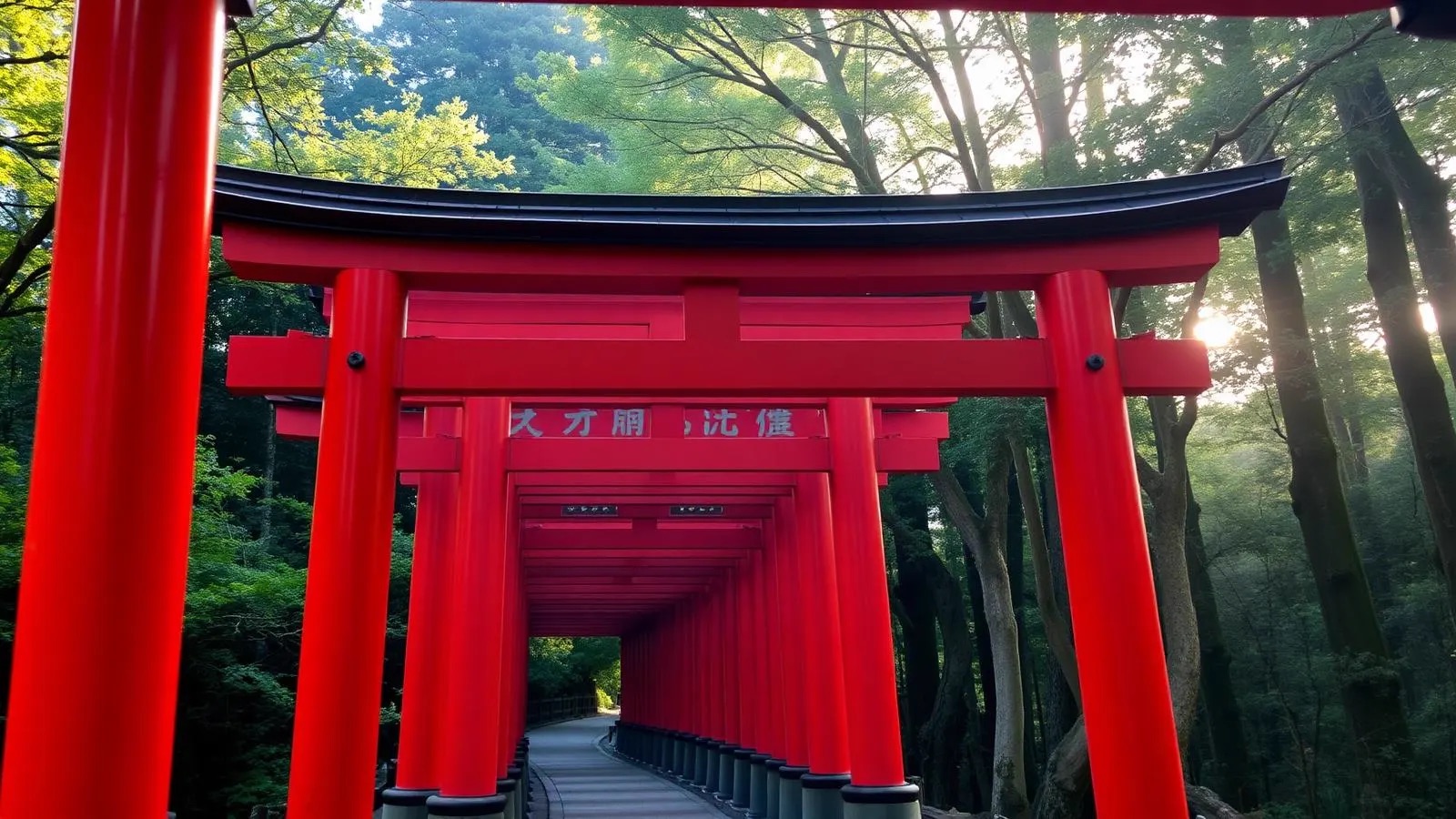
I still distinctly recall my very first morning in Kyoto, standing at the base of Fushimi Inari Taisha while the rest of the city was sound asleep. The crisp morning air carried the faint scent of cedarwood, and as the sunrise began to filter through the towering canopy of Mount Inari, thousands of vermilion torii gates caught the light, glowing like burning embers. In that quiet moment, detached from the crowds that would inevitably arrive hours later, I realised why this former imperial capital holds such an enduring grip on the imagination of travellers worldwide.
Over twelve years of travelling across nearly fifty countries, few places have commanded my return quite like Kyoto. It is a city that balances delicately on the edge between antiquity and modernity. High-speed bullet trains slice through the outer suburbs, yet behind discreet wooden lattice screens in the historic quarters, century-old tea ceremonies are performed with the exact same deliberate grace that has defined them for generations.
Whether you are stepping into Japan for the very first time or returning to deepen your connection with its cultural heartland, planning a trip to Kyoto requires a thoughtful strategy. From navigating the sheer density of its World Heritage temples to choosing between its competing transport networks, this practical guide covers everything you need to know to experience Kyoto at its absolute best.
Quick Facts
- Location: Kansai Region, Honshu, Japan (approximately 75 minutes by train from Kansai International Airport).
- Primary Transport: Extensive city bus network, two subway lines, and multiple private and JR rail lines.
- Best Time to Visit: Late March to early April (cherry blossoms) and mid-November to early December (autumn foliage).
- Payment Culture: Cash remains widely used at smaller shrines, traditional eateries, and buses, though IC transit cards and credit cards are accepted across major hubs.
- Time Zone: Japan Standard Time (GMT+9).
- Electricity: Type A and B plugs, operating on 100V at 60Hz.
- Language Basics: Japanese is the official language. Basic English is common in tourist areas, though translation apps prove invaluable for regional transit and quiet neighbourhood dining.
Exploring Kyoto’s Iconic Temples and Historic Sites
With over two thousand religious sites scattered across the valley, Kyoto can easily overwhelm first-time visitors. The secret to enjoying its heritage is not attempting to see every shrine on the map, but rather focusing on distinct architectural styles, garden designs, and mountain settings that offer unique perspectives on Japanese history.
Fushimi Inari Taisha: The Sacred Vermilion Mountain
Dedicated to the Shinto god of rice and agriculture, Fushimi Inari Taisha is undoubtedly one of the most striking visual experiences in East Asia. The main shrine sits at the base of Mount Inari, but the real magic lies in walking the Senbon Torii—a winding trail shaded by more than ten thousand bright orange-red gates donated by businesses and individuals seeking good fortune.
As a photographer, my strongest piece of advice is to arrive before dawn. By seven in the morning, the lower pathways are heavily congested. If you continue hiking past the Yotsutsuji intersection—roughly halfway up the mountain—the crowd thins out dramatically. The full loop takes about two to three hours, taking you through dense woodland, past lichen-covered stone fox statues (kitsune), and quiet mini-shrines tucked deep into the forest.
Kinkaku-ji: The Golden Pavilion
Located in northwestern Kyoto, Kinkaku-ji is a Zen temple whose top two floors are entirely covered in pure gold leaf. Set against the backdrop of a mirror-like pond filled with carefully manicured pine islets, the structure looks as though it floats on the water’s surface.
Because visitors walk along a fixed, one-way pedestrian loop surrounding the pond, moving through the grounds is generally efficient. Visit during the late afternoon when the descending sun casts a warm, brilliant light across the gilded timber, making the golden reflection on the water extraordinarily vivid.
Kiyomizu-dera and the Higashiyama Slopes
Perched high on the slopes of Mount Otowa, Kiyomizu-dera is famous for its massive wooden stage, built entirely without nails. The view from the platform offers a breathtaking panorama across Kyoto, surrounded by cherry trees in spring and maples in autumn. Below the main hall, visitors gather at the Otowa Waterfall to drink from three separate streams, said to grant health, educational success, or a fortunate love life.
The approach to Kiyomizu-dera takes you along Ninenzaka and Sannenzaka—two beautifully preserved cobblestone pedestrian streets lined with traditional wooden shopfronts, tea houses, and craft stalls. Walking down these slopes early in the morning before the shops open reveals the true architectural grace of old Kyoto.
The Philosopher’s Path (Tetsugaku-no-michi)
Stretching roughly two kilometres along a stone canal lined with cherry trees, the Philosopher’s Path is named after Nishida Kitaro, a famous Kyoto University philosophy professor who walked this route daily for meditation. The path connects Ginkaku-ji (the Silver Pavilion) in the north to the sprawling grounds of Nanzen-ji in the south. It is an ideal, slow-paced walking route away from heavy traffic, punctuated by small cafes, artisanal shops, and hidden neighbourhood shrines like Otoyo Shrine.
The Magic of Arashiyama: Bamboo Groves, Zen Gardens and River Walks
Located on the western outskirts of the city, framed by the Arashiyama Mountains, this region has been a favoured retreat for nobility since the Heian Period. Today, it remains an essential day out for those seeking natural scenery and outdoor exploring.
Navigating the Arashiyama Bamboo Grove
The towering bamboo stalks of Arashiyama create a surreal, cathedral-like atmosphere as the wind rustles through the upper canopy. The main bamboo pathway is relatively short—around a few hundred metres—and gets exceptionally crowded during mid-day hours. To experience the tranquil atmosphere you see in photography books, aim to arrive just as the morning light begins to break through the stalks.
Tenryu-ji Temple and Sogenchi Garden
Directly adjacent to the bamboo grove sits Tenryu-ji, a major Zen temple founded in the 14th century. While its historic buildings have been rebuilt over the centuries, its magnificent 14th-century garden remains in its original form. Designed by the master monk Muso Soseki, the garden incorporates the surrounding Arashiyama hills into its visual composition—a traditional landscaping technique known as "borrowed scenery" (shakkei).
Katsura River, Togetsukyo Bridge and Iwatayama Monkey Park
After visiting the temples, take a stroll down to the Katsura River and walk across Togetsukyo Bridge (Moon Crossing Bridge). On the southern bank of the river, a scenic uphill path leads through woodland up to Iwatayama Monkey Park. At the summit, a park area is home to over a hundred wild Japanese macaques. The panoramic view across the entire Kyoto basin from the summit is spectacular, making the twenty-minute uphill trek well worth the physical effort.
Historic Districts and Cultural Hubs: Gion, Higashiyama and Pontocho
Kyoto’s traditional urban fabric is defined by its low-rise wooden construction, narrow alleys, and historic entertainment quarters. Exploring these areas on foot offers a glimpse into a refined, bygone era.
Exploring Gion and Preservation Zones
Gion is Kyoto’s most famous geisha district, centred around Hanami-koji Street. Here, traditional wooden tea houses (ochaya) line the stone-paved street. In recent years, local authorities have implemented strict photography prohibitions along private side alleys in Gion to prevent tourists from harassing geiko and maiko (apprentice geiko) as they walk to evening appointments. Always observe signage, keep to public thoroughfares, and respect the privacy of working artisans.
Pontocho Alley and Kamogawa Riverbank
Running parallel to the Kamo River, Pontocho is a narrow alley barely two metres wide, lit by warm paper lanterns after dark. It is filled with atmospheric dining establishments, ranging from modest yakitori stalls to elite private restaurants. During the warmer months (May through September), many river-facing establishments erect temporary wooden platforms called *yuka* over the water, allowing guests to dine outdoors in the cool river breeze.
Preserving History: Traditional Machiya Townhouses
Throughout central Kyoto and Higashiyama, you will notice traditional wooden townhouses called *machiya*. Historically occupied by merchants and craftspeople, these narrow, deep buildings feature intricate wooden lattice facades (*koshi*) and inner courtyard gardens (*tsuboniwa*). Staying in a restored machiya or dining inside one provides an intimate connection to traditional Japanese domestic design.
Timing Your Visit: Cherry Blossoms, Autumn Leaves and Off-Peak Seasons
Kyoto experiences four very distinct seasons, each completely transforming the landscape and city atmosphere. Timing your visit depends heavily on whether you prioritize peak visual beauty or quieter, more relaxed sightseeing.
Spring: Cherry Blossom Season (Sakura)
From late March through early April, Kyoto blossoms into shades of soft pink and white. Highlights include the weeping cherry trees of Maruyama Park, the Philosopher's Path, and the Kamogawa River banks. While extraordinarily beautiful, this is the busiest peak season of the year. Accommodation must be booked months in advance, and major sites experience maximum visitor capacity.
Autumn: Radiant Leaves (Koyo)
From mid-November to early December, the city’s maple and ginkgo trees turn vibrant shades of crimson, orange, and gold. Many temples—such as Eikando, Tofuku-ji, and Kiyomizu-dera—host special evening illuminations, where lighted autumn trees stand against the dark night sky. The weather during autumn is typically dry, cool, and comfortable for extended walking tours.
Summer and Winter: Navigating the Off-Peak Months
Summer (July and August) in Kyoto is intensely hot and humid, as the city sits inside a mountain bowl that traps heat. However, July brings the famous Gion Matsuri, one of Japan's grandest traditional festivals, featuring massive decorated parade floats (*yamaboko*).
Winter (December through February) is the quietest season. Temperatures drop significantly, and while heavy snow is rare in the valley floor, a light dusting on golden temple roofs creates a serene atmosphere. Winter offers short queues, accessible hotel rates, and a far more local feel across the city.
Getting Around Kyoto: Buses, Trains and Walking Logistics
Unlike Tokyo’s vast and intuitive underground grid, Kyoto relies heavily on a combination of surface rail, two subway lines, and a comprehensive but occasionally congested bus system. Understanding how these networks interact will save you hours of travel time.
Buses vs. Trains: Avoiding Traffic Bottlenecks
For decades, municipal buses were considered the default way to travel between temples. However, during peak spring and autumn seasons, city road traffic can come to a absolute crawl, turning a simple twenty-minute bus ride into an hour-long delay.
Wherever possible, structure your travel around trains and subways:
- Karasuma Subway Line: Runs north-south through the centre of Kyoto (ideal for Kyoto Station, Shijo downtown, and the Imperial Palace).
- Tozai Subway Line: Runs east-west across the city (convenient for Nijo Castle, Higashiyama, and Okazaki).
- JR San-in Line (Sagano Line): Connects central Kyoto directly to Arashiyama in roughly fifteen minutes.
- Keihan Main Line: Runs north-south along the eastern side of the river (perfect for Fushimi Inari, Gion, and Demachiyanagi).
- Hankyu Main Line: Connects downtown Kawaramachi west towards Arashiyama and Osaka.
IC Transit Cards and Navigation
Tap-and-go contactless IC cards—such as ICOCA, Pasmo, or Suica—are seamlessly accepted on almost all subways, private rail lines, and city buses in Kyoto. You can load funds onto these cards at railway station machines or via digital wallets on smart devices. Simply tap on when boarding and tap off when exiting.
Walking and Bicycle Rentals
Kyoto’s grid-style city centre, originally modeled after ancient Chinese capitals, makes navigation straight forward. The terrain across the central valley is mostly flat, making bicycles an exceptionally pleasant way to explore. Many guesthouses offer rental bikes, and dedicated cycle parking lots are available near major stations and public parks. Note that parking bikes randomly on city pavements is strictly prohibited and subject to impounding.
Where to Base Yourself: Neighbourhoods and Machiya Living
Choosing where to stay depends entirely on your preferred travel style, budget, and daily pacing. Because Kyoto is spread out, selecting the right neighbourhood helps cut down on commute times.
Downtown & Kawaramachi
If you want to be within walking distance of vibrant nightlife, modern retail arcades, and a huge choice of restaurants, downtown Kawaramachi and Shijo-Dori are ideal. You have immediate access to the Hankyu line, Karasuma subway, and multiple bus routes, making evening dining and morning departures effortless.
Gion & Southern Higashiyama
For atmosphere, nothing quite matches staying amidst the historic wooden architecture of Higashiyama. Staying here means you can step right out your front door early in the morning to explore historic stone streets before day-trippers arrive. This area features many charming boutique boutique options, luxury retreats, and traditional *ryokan* (Japanese inns).
Kyoto Station Area
The district immediately surrounding Kyoto Station is practical, highly modern, and efficient. It offers an abundance of mid-range western-style hotels, direct airport limousine buses, and effortless train connectivity for regional day trips. While it lacks the historic charm of Higashiyama, its sheer convenience makes it a favourite for short or fast-paced itineraries.
Central Kyoto & Imperial Palace District
Located north of downtown, this quiet residential region surrounds the sprawling Kyoto Imperial Palace grounds. It offers a calm, local atmosphere with small artisanal bakeries, quiet cafes, and beautifully restored neighbourhood machiyas. It is ideal for families and long-stay travellers seeking a relaxed pace.
Kyoto’s Culinary Scene: From Nishiki Market to Kaiseki
Kyoto’s food culture is deeply refined, influenced heavily by its distance from the ocean in historical times, its clean mountain water, and its connection to Zen Buddhist vegetarian traditions.
Nishiki Market: "Kyoto’s Kitchen"
Stretching five narrow blocks through central downtown, Nishiki Market is a narrow covered shopping street lined with over a hundred food stalls and specialty shops. Here, you will find seasonal pickles (*tsukemono*), fresh seafood skewers, roasted chestnuts, tamagoyaki (rolled omelette), and sweet dango skewers.
Market Etiquette Note: To keep the market clean and prevent crowds from blocking narrow pathways, eating while walking is discouraged. Purchase your food from a stall and step to the side or eat within the designated stall area before moving on.
Kaiseki and Shojin Ryori
Kyoto is the spiritual home of *Kaiseki-ryori*—a multi-course traditional dinner that balances flavour, texture, aroma and visual presentation using seasonal local ingredients. Courses highlight local heirloom vegetables (*Kyo-yasai*), river fish, and delicate broths.
For a unique vegetarian experience, try *Shojin Ryori*—the traditional culinary style of Buddhist monks. Centred around tofu, mountain vegetables, and wild plants, this cooking style avoids meat, fish, garlic, and onions, relying instead on delicate seasonings and meticulous preparation to highlight natural flavours. You can sample authentic Shojin Ryori at restaurants located within temple grounds, particularly around Tenryu-ji and Daitoku-ji.
Kyoto Specialties: Yudofu and Matcha Culture
Thanks to Kyoto's pure subterranean water springs, the city produces exceptionally smooth, fresh tofu. A popular local dish is *Yudofu*—fresh tofu gently simmered in a light kelp broth at your table, served with ponzu dipping sauce, finely shaved green onions, and toasted sesame seeds.
No trip is complete without exploring local green tea culture. The nearby region of Uji produces some of the finest matcha in the world. Throughout Kyoto, you can sample everything from ceremonial whisked matcha paired with traditional *wagashi* sweets to matcha-infused soft-serve ice cream, parfaits, and cold-brewed sencha green teas.
Essential Day Trips: Nara and Osaka
One of Kyoto’s greatest geographic advantages is its location in the heart of the Kansai region. Two of Japan’s most fascinating destinations are easily reachable within an hour by direct train.
Nara: Ancient Heritage and Sacred Deer
Located roughly 45 minutes south of Kyoto via the JR Nara Line or Kintetsu Railway, Nara was Japan’s first permanent capital in the 8th century. The main highlights are concentrated within the expansive Nara Park, home to hundreds of free-roaming, protected Sika deer that wander through temple grounds.
Key sights in Nara include:
- Todai-ji Temple: One of the world’s largest wooden buildings, housing the Daibutsu—a colossal, 15-metre-tall bronze Buddha statue.
- Kasuga Taisha: Nara’s most prominent Shinto shrine, famed for its thousands of stone lanterns leading through the forest and bronze lanterns hanging from shrine corridors.
- Naramachi: The historic former merchant district featuring narrow lanes, traditional preserved buildings, craft shops, and quiet tea rooms.
Osaka: Street Food and High-Energy Urban Life
Located just 15 minutes away by Shinkansen or 30 to 40 minutes via local express trains, Osaka offers a complete contrast to Kyoto's serene temple gardens. Osaka is energetic, bold, and famous for its unpretentious, rich street food culture.
Focus your trip on the central and southern districts:
- Dotonbori: Osaka’s famous canal-side entertainment street, filled with neon signs, gigantic mechanical shopfront displays, and endless street food vendors selling fresh takoyaki (octopus balls) and okonomiyaki (savoy cabbage pancakes).
- Osaka Castle (Osakajo): A striking historical reconstruction set within massive stone walls and surrounded by public parkland.
- Shinsekai: A colourful, retro neighbourhood designed in the early 20th century, famous for *kushikatsu* (deep-fried skewered meats and vegetables).
Practical Advice, Cultural Etiquette and Mistakes to Avoid
Respecting local customs ensures your interactions in Kyoto remain positive, warm, and meaningful. Here are crucial practical points to keep in mind:
Temple and Shrine Etiquette
While Shinto shrines and Buddhist temples welcomingly open their doors to international visitors, keep in mind that these remain active, sacred places of worship:
- At Shinto shrines, perform the traditional purification ritual at the *temizuya* water basin (wash hands and rinse mouth using the ladles provided) before approaching the altar.
- Remove your shoes when entering temple main halls, tatami rooms, or historic residences. Slip-on footwear makes this routine seamless.
- Always look out for signage regarding photography indoors. Photography is strictly forbidden inside many temple main halls to protect delicate painted screens and preserve a solemn atmosphere.
Common Mistakes to Avoid
- Over-scheduling your days: Kyoto’s sights require plenty of walking. Attempting to see more than three or four major sites per day results in travel fatigue and rush. Leave breathing room in your day to simply wander through residential side streets.
- Relying solely on city buses during peak seasons: Traffic jams around autumn foliage and spring blossom periods can waste hours. Walk, ride bicycles, or rely primarily on rail and subway networks.
- Waiting until evening to explore major sites: The majority of Kyoto’s historic sites and temples close their gates around 4:30 or 5:00 PM. Start your days early to maximize sight-seeing time, then save evening hours for dining, night markets, and riverside walks.
- Forgetting to carry cash: While major convenience stores, hotels, and train stations accept digital tap payments, small craft shops, street stalls, and temple entry booths frequently remain strictly cash-only. Always keep local currency bills and coins on hand.
Recommended Four-Day Kyoto Itinerary
This balanced, geographically logical four-day itinerary mixes iconic highlights with scenic walks, minimizing unnecessary commute times across the city.
Day 1: Eastern Kyoto & Higashiyama Architecture
- Early Morning: Arrive early at Kiyomizu-dera to enjoy panoramic city views without the crowds.
- Late Morning: Stroll down Ninenzaka and Sannenzaka cobblestone pedestrian paths toward Kodai-ji Temple.
- Afternoon: Walk through Maruyama Park to Yasaka Shrine, ending at the entrance to the Gion district. Explore local craft shops along Shijo Avenue.
- Evening: Dine along the narrow lantern-lit alleyway of Pontocho, followed by an evening stroll along the banks of the Kamo River.
Day 2: Sacred Mountains & Southern Highlights
- Early Morning: Take the Keihan line to Fushimi Inari Taisha before 7:30 AM. Hike up to the Yotsutsuji intersection for views over southern Kyoto.
- Late Morning: Head north on the Keihan train to Tofuku-ji Temple, famous for its magnificent wooden bridge overlook and tranquil Zen stone gardens.
- Afternoon: Travel into central downtown to explore Nishiki Market. Sample local snacks, tea, and seasonal delicacies.
- Evening: Explore the modern Kawaramachi shopping district or enjoy a traditional Kaiseki dining experience.
Day 3: Arashiyama & Western Scenery
- Early Morning: Take the JR Sagano Line straight to Arashiyama. Walk through the Bamboo Grove before crowd numbers build.
- Late Morning: Explore Tenryu-ji Temple and relax by its 14th-century landscaped Zen garden.
- Afternoon: Walk across Togetsukyo Bridge and hike up to Iwatayama Monkey Park for sweeping valley views. Afterwards, take a scenic boat trip down the Katsura River.
- Evening: Head back into central Kyoto for a warm bowl of traditional Yudofu or ramen.
Day 4: Northern Temples & Peaceful Walks
- Morning: Visit Kinkaku-ji (The Golden Pavilion) right at opening time.
- Late Morning: Take a local bus or taxi east to Ginkaku-ji (The Silver Pavilion) and wander its pristine moss and sand gardens.
- Afternoon: Walk along the quiet, tree-shaded Philosopher’s Path down towards Nanzen-ji Temple. Inspect the impressive red-brick aqueduct nestled within the temple grounds.
- Evening: Celebrate your final evening in Kyoto with a seasonal tasting menu in the historic Machiya quarter of Higashiyama.
Final Thoughts
Kyoto is not a destination to be rushed. Its true magic lies not just in ticking grand World Heritage monuments off a checklist, but in the subtle moments between them—the soft ring of a temple bell echoing across a mountain forest, the delicate aroma of roasting green tea leaves floating out of a neighbourhood shopfront, or catching sight of a stone garden illuminated by late afternoon sun.
By giving yourself time to slow down, rising early to beat the crowds, and relying on smart transit routes, you will discover a rich, deeply rewarding city that stays with you long after your journey home.