North Coast 500 Road Trip: Route, Timing and Tips
Planning the NC500: which direction to drive, how many days you actually need, the highlights, and the etiquette that matters.
In this guide
- Quick Facts
- What Exactly is the North Coast 500?
- How Long Do You Really Need? Take Your Time
- Clockwise or Anticlockwise? The Great Debate
- The Anticlockwise Route: Journey to the Wild West
- Ullapool to Durness: The Heart of the Wilderness
- The Top End: Durness to John o' Groats
- The East Coast: Homeward Bound to Inverness
- Driving Etiquette and Logistics on the NC500
- Booking, Weather, and the Dreaded Midge
- Photography and the Northern Light
- Explore in Depth
- Frequently Asked Questions
- Final Thoughts
This guide is part of our Scotland Travel Guide: Edinburgh, Highlands and Islands — start there for the overview, when to go and how to get around.
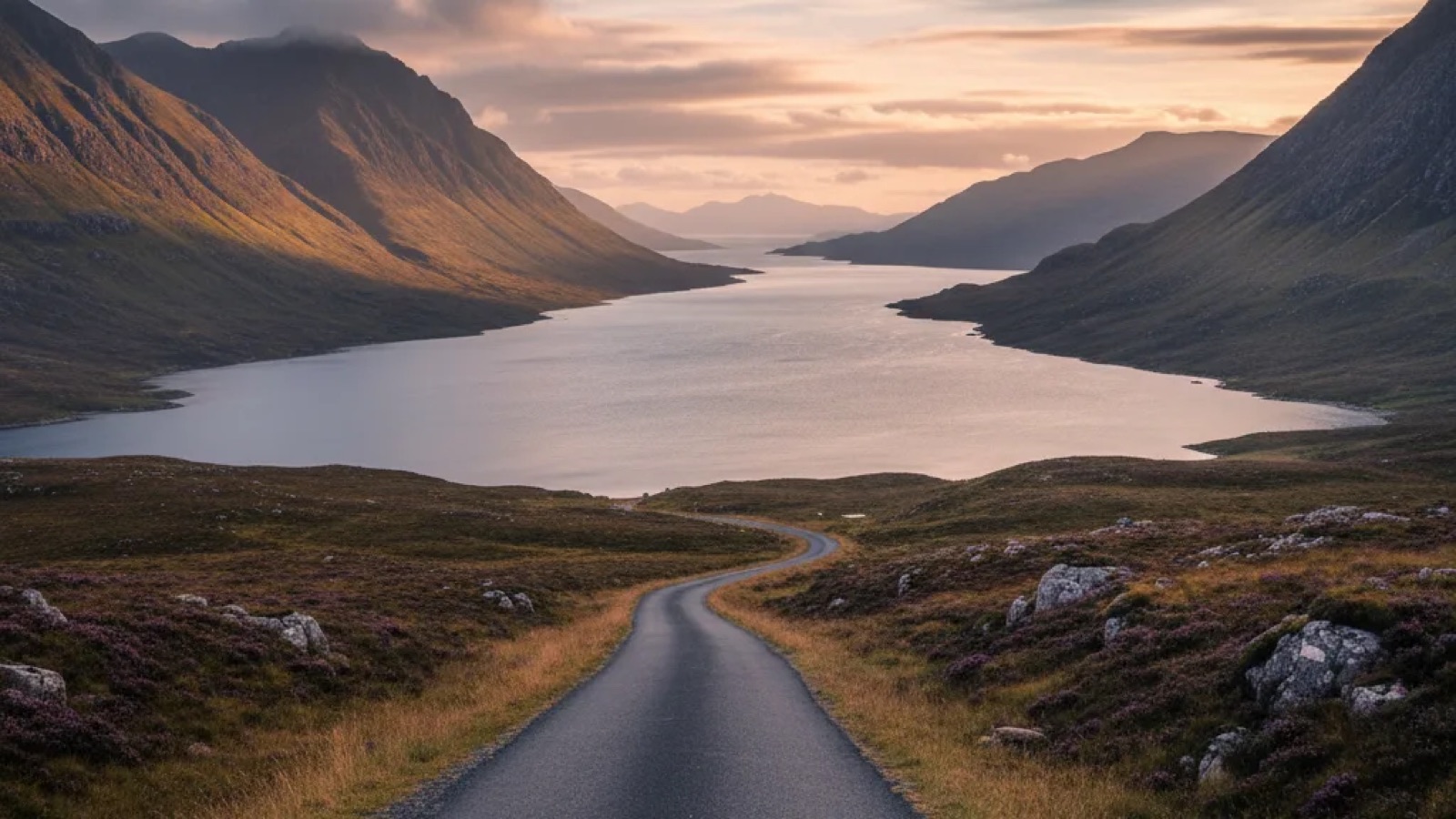
On a narrow stretch of single-track road somewhere south of Kylesku, the lone mountain of Suilven rises from the moorland like a stone sentinel, its jagged ridge cutting a sharp silhouette against a bruised purple sky. There is no other sound but the wind whistling through the dry grasses and the distant cry of a bird. Here, the scale of Scotland’s far north hits home. This isn’t just a drive; it’s an immersion into one of the last great wildernesses in Europe. The light, the silence, the sheer emptiness of it all… it gets under your skin and stays there.
This guide is about making the most of that feeling. The North Coast 500 is more than just a marketing slogan; it’s a portal to an extraordinary landscape. We’ll cover the classic route, but more importantly, the rhythm of the journey. It argues for taking it slow, for choosing your direction wisely, and for digging into the practicalities that make the difference between a frantic road trip and a true adventure. From navigating the notorious Bealach na Bà to finding the best light for your photos and knowing when to let a local farmer past, these are the lessons that matter on the road, camera in hand.
Quick Facts
- Location: A circular route starting and ending in Inverness, tracing the remote coastline of the northern Scottish Highlands.
- Getting There & Starting Point: Fly, train or drive to Inverness, the capital of the Highlands. This is the official start and end point of the NC500.
- Getting Around: A car is essential. A smaller car is more practical than a large one for the narrow single-track roads. Campervans are popular but face challenges on certain passes.
- Language & Currency: English, with some Gaelic signage. The currency is the Pound Sterling (GBP).
- Best Time to Visit: May to June and September to October offer the best balance of long daylight hours, fewer crowds, and fewer midges (tiny biting insects) than the peak summer months of July and August.
What Exactly is the North Coast 500?
First, a reality check. The North Coast 500 isn't an ancient pilgrimage trail or a purpose-built scenic highway. It’s a brilliant piece of marketing launched in 2015 to link and promote a series of existing roads that loop around the spectacular northern tip of mainland Scotland. The route itself is roughly 516 miles (about 830 kilometres) and cobbles together some of the most jaw-dropping scenery on the planet.
It was designed to bring tourism and investment into a sparsely populated but deeply beautiful region. And it worked. The "NC500" branding has put this incredible journey on the global map. But it’s important to remember you’re travelling on real community roads, not a tourist theme park. This understanding is key to travelling here responsibly and getting the most out of your trip.
How Long Do You Really Need? Take Your Time
You’ll see itineraries online smashing out the NC500 in three or four days. Honestly, that’s a mistake. To do that, you’d spend almost all your daylight hours inside the car, turning a profound experience into a box-ticking exercise. You’d cruise past hidden beaches, misty glens, and inviting walking trails without ever stopping to breathe the air.
My firm advice is to budget a minimum of five to seven days. Ten days would be even better. This slower pace allows for the serendipity that makes road trips special. It gives you time for that spontaneous hike to a hidden waterfall, an extra hour watching seals bask on the rocks, or a chat with a local in a tiny village pub. The weather here is famously fickle; a longer itinerary gives you the flexibility to wait out a passing storm or to linger when the sun finally breaks through the clouds and sets the landscape ablaze with colour. Rushing the NC500 is the single biggest mistake you can make.
Clockwise or Anticlockwise? The Great Debate
The route is a loop, so you have to choose a direction from Inverness. Clockwise takes you up the gentler, faster A9 road on the east coast first, before hitting the wild north and dramatic west coast on the way back down. Anticlockwise throws you straight into the deep end.
The best choice, without hesitation, is anticlockwise. By heading west from Inverness first, you immediately immerse yourself in the Highlands' most dramatic scenery. You tackle the epic mountain passes of the Bealach na Bà and the stunning coastline of Wester Ross while you’re fresh and full of energy. The landscape builds to a crescendo through the raw wilderness of the north-west, and the journey then gently decelerates as you travel along the softer landscapes of the north and east coasts on your return to Inverness. The narrative flow just works better. It's like seeing the headline act first, and it sets an incredible tone for the entire trip.
The Anticlockwise Route: Journey to the Wild West
Heading west from Inverness, the A832 is your gateway. The real drama begins as you approach the Applecross peninsula. Here you face a big decision: take the main road around the coast, or turn off for the legendary Bealach na Bà, or 'Pass of the Cattle'.
This single-track road is a true test of nerve. It’s one of the highest roads in Britain, climbing over 625 metres with hairpin bends and gradients that hit 20%. The views from the top back across to the Isle of Skye are utterly staggering, but this road is not for nervous drivers, large campervans, or motorhomes. There are signs warning large vehicles away for a very good reason—the tight turns are simply impossible for them to navigate, and meeting another car on a steep bend requires a cool head. If you're in any doubt, take the beautiful, lower-level coast road via Shieldaig.
Past Applecross, the scenery through Torridon is monumental. The ancient mountains of Liathach and Beinn Eighe, made of reddish Torridonian sandstone, loom over the road like sleeping giants. This area is a hiker's paradise and a heartland for majestic red deer. Continuing north, the road takes you towards Ullapool, but not before passing the breathtaking Corrieshalloch Gorge, a deep, tree-lined chasm with a Victorian suspension bridge that sways gently as you walk across it, peering down at the crashing waterfalls below.
Ullapool to Durness: The Heart of the Wilderness
Ullapool is the perfect halfway point. A bustling, picturesque fishing town on the shores of Loch Broom, it’s the largest settlement in the region and a great place to restock, refuel, and enjoy some fantastic seafood. It has a lively feel that provides a welcome contrast to the solitude of the road.
Leaving Ullapool, you enter arguably the most spectacular section of the entire route. The landscape becomes even more primal and sparsely populated. You’ll cross the elegant arc of the Kylesku Bridge, a beautiful piece of modern engineering in a wildly remote setting. This area, known as Assynt, is defined by its unique, isolated mountains like Stac Pollaidh and the iconic Suilven, which rise almost vertically from the loch-strewn moorland. They are a photographer’s dream, especially in the low, raking light of morning or late evening.
Don't be afraid to take the side roads. The detours to the coast are always worth it. The B869 coastal route is tight and winding, but it leads you to some of Britain's most beautiful beaches, like Achmelvich and Clachtoll, whose white sands and turquoise waters could be mistaken for the Caribbean on a sunny day. The Stoer Peninsula offers more rugged beauty and a walk out to the Old Man of Stoer sea stack. This is slow travelling at its finest.
The Top End: Durness to John o' Groats
Durness feels like the edge of the world. Here, you have to visit Smoo Cave, a dramatic sea-and-freshwater cave with a thundering waterfall inside its main chamber. A short walk from the village leads you to the windswept sands of Balnakeil Beach and the quirky collection of buildings at Balnakeil Craft Village, a former military base now home to a community of artists and artisans.
From Durness, you travel east along the very top of mainland Britain. The road hugs the coastline, rising and falling through communities like Bettyhill and Strathy, offering vast views over the Pentland Firth towards the Orkney Islands. Thurso is the main town on the north coast, a sturdy place with a history tied to the sea.
A short drive east brings you to the famous signpost at John o' Groats. While it's a must-do photo stop, the place itself can feel a bit like a tourist trap. The real treasure is a couple of kilometres further east at Duncansby Head. A blustery walk along the cliff edge reveals the Duncansby Stacks, magnificent multi-pinnacled sea stacks teeming with birdlife, including puffins in the early summer. Nearby, you'll also find Dunnet Head, which, unlike John o' Groats, is the true northernmost point of the British mainland, marked by a lighthouse and offering immense, windswept views.
The East Coast: Homeward Bound to Inverness
The final leg of the journey takes you south down the A9, the main artery of the east coast. It feels markedly different from the wild west—the road is faster, the land is flatter and more agricultural, and the towns are larger. It's a gentle re-entry into civilisation.
This coast is dotted with historic fishing villages like Wick, dramatic cliff-top castle ruins, and ancient Pictish stones. The charming town of Dornoch, with its sandstone buildings and magnificent cathedral, is a wonderful place to stop. Further south, you’ll cross onto the Black Isle (which is actually a peninsula). A key stop here is Chanonry Point, one of the best places in Europe for onshore dolphin watching. The resident pod of bottlenose dolphins often comes very close to shore to feed on an incoming tide, putting on a spectacular show.
The NC500 itself has several excellent distilleries along this eastern leg, and Speyside, Scotland's most famous whisky-producing area, lies east of Inverness for anyone extending the trip. It’s a huge part of the local culture and economy, and stopping for a tour to understand the process (and have a dram, if you’re not the designated driver) is a quintessential Scottish experience.
Driving Etiquette and Logistics on the NC500
The single most important skill to master on the NC500 is navigating single-track roads. These narrow roads have designated Passing Places every hundred metres or so. The etiquette is crucial:
- The car closest to a passing place on their left should pull in to let the oncoming car pass.
- If the passing place is on your right, stop opposite it on your left, allowing the other car to pull into it.
- Never cross to the wrong side of the road to use a passing place.
- Always give a friendly wave to say thanks. It’s the local custom.
- Most importantly, if you see a car behind you that is clearly travelling faster (it will almost always be a local), pull into the next passing place and let them overtake you. Do not hold them up. You are on holiday; they are on their way to work or school.
Fuel planning is vital. On the west and north coasts, petrol stations can be 50-80 kilometres apart and often close in the evening. My rule is simple: if you pass a petrol station and your tank is less than half full, fill it up. Don't risk it.
The popularity of campervans has put immense pressure on local infrastructure. If you're travelling in one, you must use designated campsites for overnight stays and, crucially, use their facilities for emptying your chemical toilet and grey water. Disposing of waste by the roadside is illegal, environmentally damaging, and infuriates the local communities whose roads you are enjoying.
Booking, Weather, and the Dreaded Midge
In peak season (June to September), the NC500 is incredibly popular. You absolutely must book accommodation months in advance. This cannot be stressed enough. Turning up in Ullapool in July with nowhere to stay is a recipe for disaster. This applies to hotels, B&Bs, and even campsites.
The Scottish weather is famously unpredictable. Pack for all four seasons, even in summer. That means waterproofs, warm layers (fleeces, thermals), and sturdy footwear, but also sunglasses and sunscreen. The saying "if you don't like the weather, wait five minutes" is often true.
And then there are the midges. These tiny biting insects are the bane of the Highlands from late May to early September, especially on calm, damp, overcast days. They are most active at dawn and dusk. A good insect repellent is essential, and a head net can be a sanity-saver if you plan on spending evenings outdoors. The wind is your friend—a decent breeze keeps them away entirely.
Photography and the Northern Light
For a photographer, the NC500 is heaven. The quality of light in the far north is something else. In summer, the sun sets very late and rises very early, giving you a 'golden hour' that can last for several hours. The sun hangs low on the horizon, bathing the landscape in a warm, soft glow that makes the colours of the mountains and moors pop.
In the shoulder seasons of spring and autumn, the light is more dramatic. Storm clouds gather and part, sending shafts of sunlight racing across the glens. The sun is lower in the sky all day, creating texture and shadow on the mountains. This is the best time to shoot here. The opportunities are endless: wide-angle landscapes of the coast, telephoto shots to compress the layers of distant mountains, classic compositions like the Kylesku Bridge, or intimate details of weathered fences and blooming heather. The key is to be patient and ready to stop whenever the light does something magical.
Explore in Depth
The North Coast 500 is the perfect gateway to a deeper exploration of Scotland’s majestic landscapes. If this journey sparks your appetite for dramatic peaks and wild isles, these guides will take you further into the heart of the country.
Frequently Asked Questions
Is the North Coast 500 suitable for a large motorhome?
For the most part, yes, but with a significant exception. Large motorhomes and campervans are strongly advised against—and sometimes prohibited from—driving the Bealach na Bà to Applecross. The hairpin bends are too tight and the gradients too steep. A beautiful alternative coast road exists. For the rest of the route, you'll be fine, but you need to be confident on single-track roads and adept at using passing places. Always book campsites well in advance and use their facilities for all waste disposal; never empty tanks at the roadside.
Can I wild camp on the North Coast 500?
Scotland's access rights permit wild camping, but it comes with strict responsibilities, especially along this popular route. The principle is 'leave no trace'. You must camp well away from roads, buildings, and farms. The sheer volume of visitors means many popular spots are suffering. Never light open fires. Take all your rubbish with you. Given the pressure, it's often more responsible to use official campsites, which also provide essential facilities. The days of simply pulling over in a van anywhere are, rightly, coming to an end in the most popular areas.
Is it essential to book accommodation in advance on the NC500?
Yes, absolutely. From May to October, and especially in July and August, booking accommodation far in advance is not just recommended, it's essential. The route passes through very small villages and towns with limited numbers of hotels, B&Bs, and campsites. They fill up months ahead of time. Spontaneously trying to find a room for the night in peak season is highly likely to result in you having to drive long distances late at night or, in the worst case, sleeping in your car. Plan and book ahead to avoid stress.
Which direction is better, clockwise or anticlockwise?
There's no wrong answer, but anticlockwise is the stronger choice. Starting from Inverness and heading west immediately immerses you in the most dramatic landscapes of the entire route, like the Applecross peninsula and the mountains of Assynt. It feels like a magnificent crescendo. You then experience the gentler north and east coasts on the return leg. Driving clockwise means a softer start up the A9, saving the wild west for last. It’s a personal choice, but for maximum impact from day one, go anticlockwise.
What's the biggest mistake people make on the NC500?
The biggest mistake is rushing it. Trying to complete the 830-kilometre route in just three or four days is a false economy. It transforms an incredible journey of discovery into a stressful driving marathon. You'll miss the spontaneous hikes, the hidden beaches, the wildlife sightings, and the chance to simply stop and absorb the immense silence and beauty of the landscape. The magic of the NC500 isn't in ticking off the miles; it's in the moments between the driving. Give yourself at least a week.
Final Thoughts
Few places have the raw, elemental power of Scotland's far north. The North Coast 500 might be a modern invention, but the landscape it showcases is timeless. It’s a journey that recalibrates your sense of scale and reminds you of the profound beauty found in wild, open spaces. It’s the feeling of the wind on a cliff edge, the taste of salt in the air, the sight of a stag silhouetted on a ridge.
More than a road trip, it's an invitation to slow down, to look closer, and to connect with a corner of the world that feels ancient and untamed. Go with patience, go with respect for the land and its people, and you’ll come back with more than just photos—you’ll bring back a piece of that wildness in your soul.
More Scotland guides
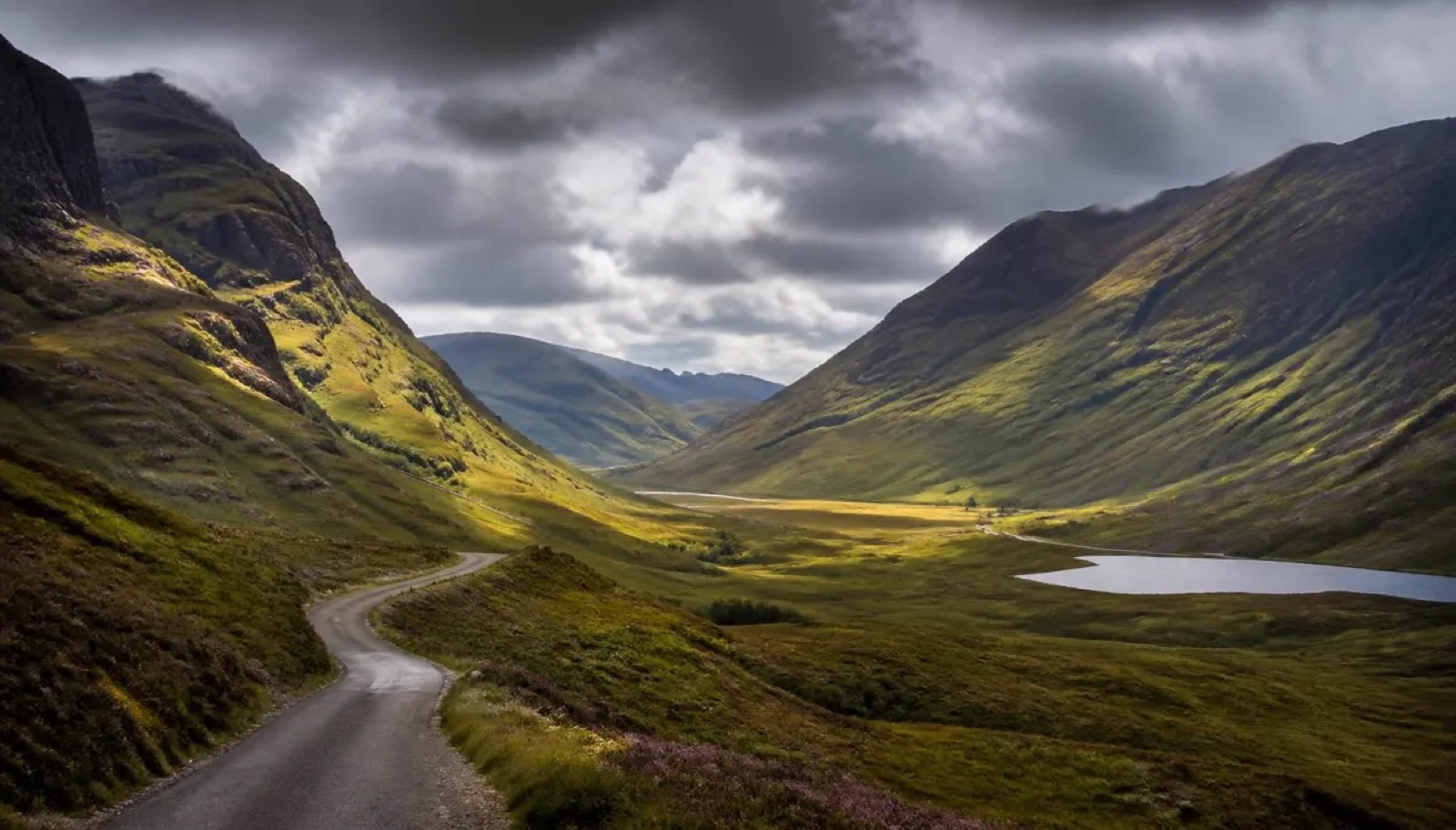
Scotland Travel Guide: Edinburgh, Highlands and Islands
Edinburgh and Glasgow, the North Coast 500, Glencoe and Skye, ferries to the isles, driving on single-track roads and how to plan around…
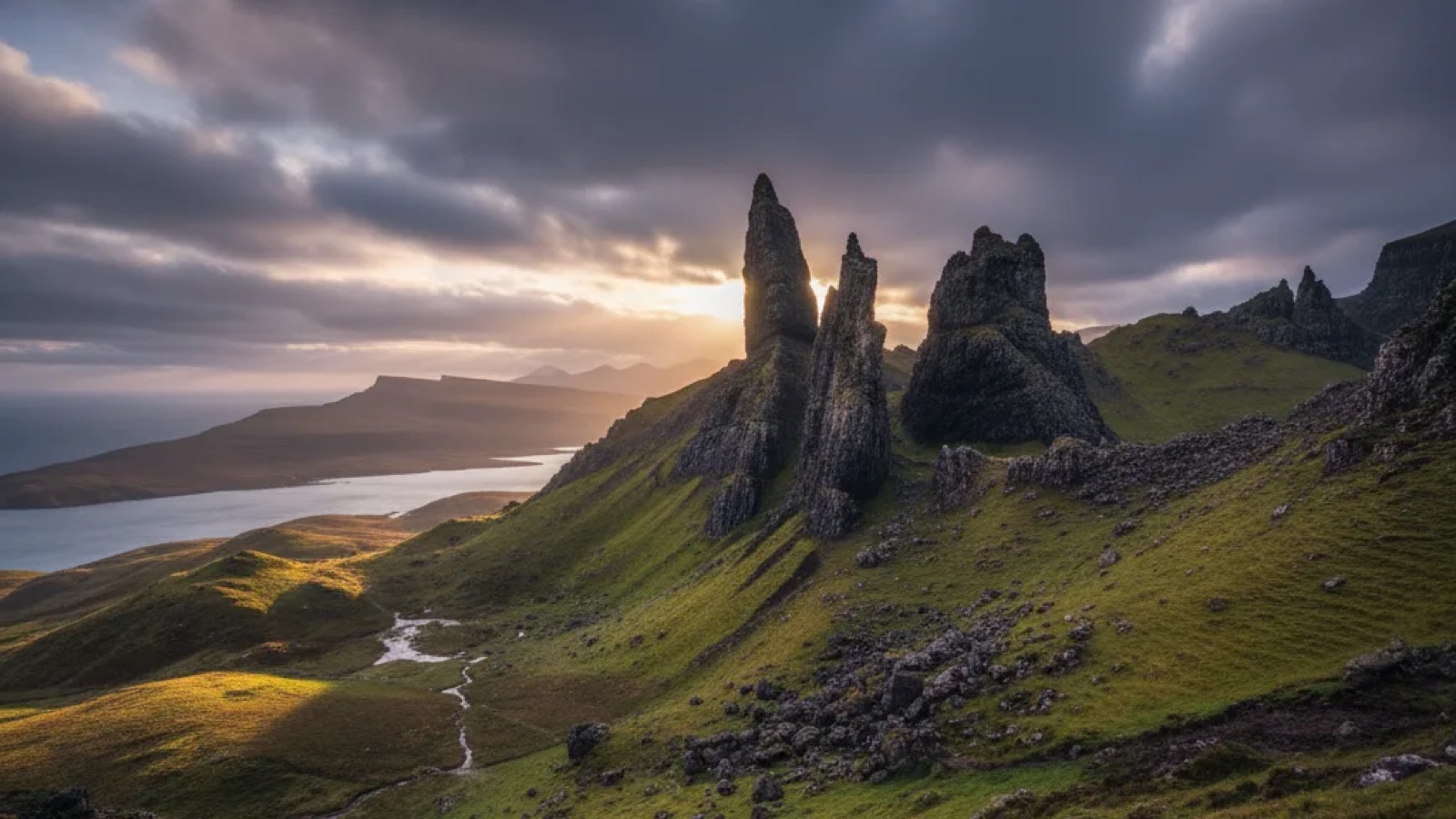
Isle of Skye Guide: Fairy Pools, Quiraing, Storr
Skye done properly: how many days, driving single-track roads, the walks that are worth it and how to handle weather and crowds.
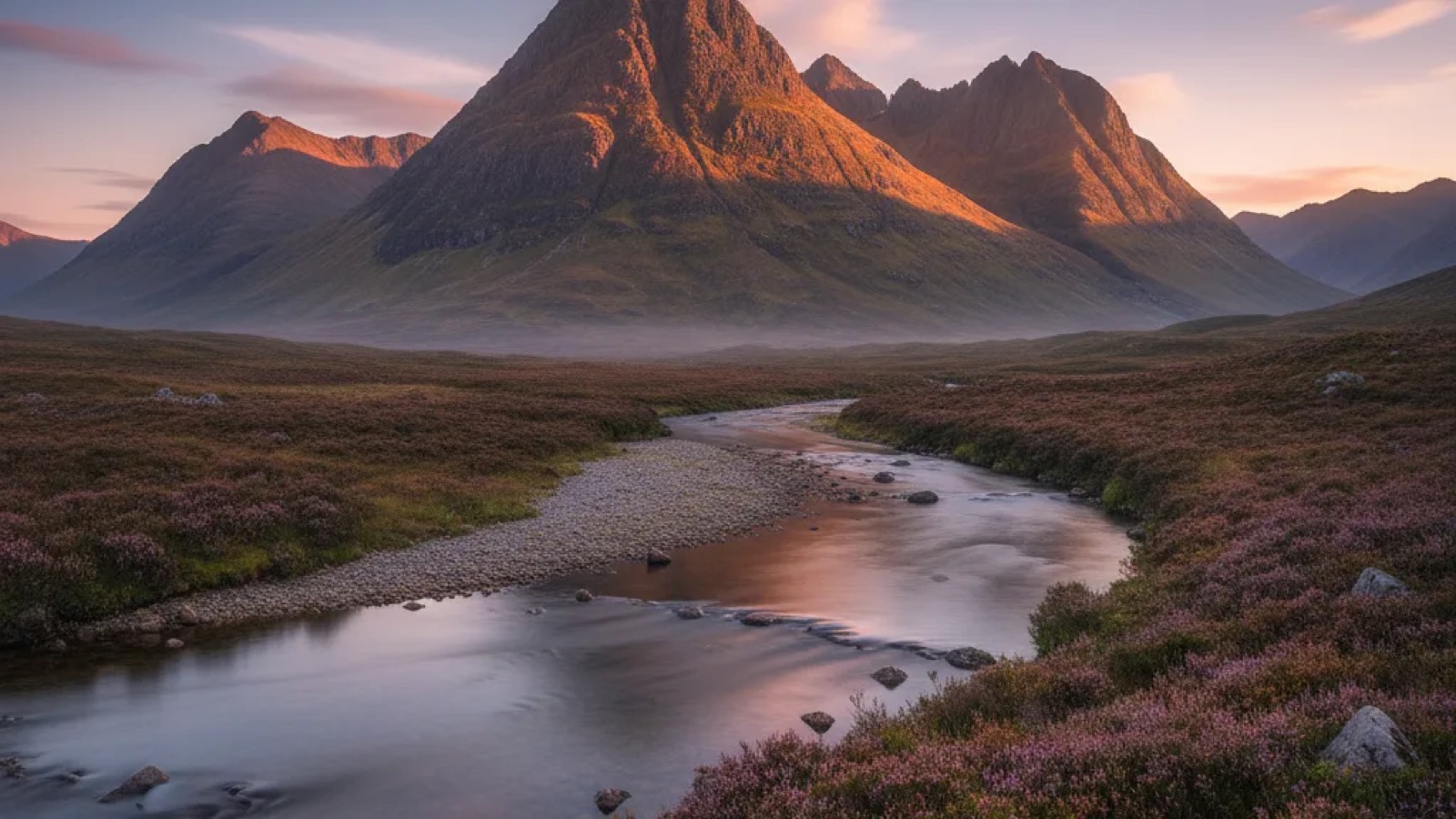
Scottish Highlands Guide: Glencoe, Lochs and Munros
The Highlands beyond the postcards: Glencoe, Cairngorms, Loch Ness, hiking Munros, driving conditions and the best seasons.