Thailand Weather: A Month-by-Month Guide
Thailand's weather month by month, covering heat, rain and seasonal patterns across the year so you can choose when and where in Thailand to travel.
In this guide
- Thailand Weather at a Glance
- How to Use This Guide
- January in Thailand
- February in Thailand
- March in Thailand
- April in Thailand
- May in Thailand
- June in Thailand
- July in Thailand
- August in Thailand
- September in Thailand
- October in Thailand
- November in Thailand
- December in Thailand
- Best Time to Visit Thailand (Quick Answer)
- Frequently Asked Questions
This guide is part of our Thailand Travel Guide — start there for the overview, itineraries and costs.
Thailand looks simple on a map, but the weather is the thing that changes the whole feel of a trip: steamy temple days in Bangkok, smoky mountain mornings in Chiang Mai, glassy Andaman seas off Phuket, or blue Gulf water around Koh Samui. I’ve been caught in all of it — sunburnt in April, soaked in Phuket in September, and perfectly happy on Koh Tao when friends on the other coast were watching rain lash the beach.
Thailand Weather at a Glance
| Month | Bangkok High (°C) | Andaman Rain | Gulf Rain | Chiang Mai Air | Crowd Level | Verdict |
|---|---|---|---|---|---|---|
| January | 32 | Low; dry beach weather in Phuket, Krabi and Phi Phi | Moderate; Samui can still have leftover showers | Mostly clear, cool mornings | Peak | Excellent |
| February | 33 | Low; calm seas and reliable sun | Low; one of the best Gulf months | Haze begins, air quality can slide late in the month | High | Great |
| March | 35 | Low to moderate; heat builds before the monsoon | Low; dry and sunny around Samui, Phangan and Tao | Poor; burning season often serious | Moderate | Challenging |
| April | 36 | Moderate; short storms start to appear | Low to moderate; still decent on the Gulf islands | Hot, smoky, often unpleasant | High | Brutal |
| May | 35 | High; Andaman monsoon starts properly | Moderate; generally better than Phuket side | Rain clears smoke, heat eases slightly | Moderate | Good |
| June | 34 | High; rougher seas and red flags possible | Low to moderate; often sunny between brief showers | Greener, cleaner, humid | Low | Good |
| July | 33 | High; wet, with some bright windows | Low to moderate; strong choice for island time | Green countryside, occasional heavy rain | Moderate | Good |
| August | 33 | High; monsoon surf and sudden downpours | Moderate; still one of the safer beach bets | Lush, humid, clean air | Moderate | Good |
| September | 33 | Very high; often the wettest Andaman stretch | Moderate; showers increase but not at peak | Very green, wet, comfortable after rain | Low | Challenging |
| October | 32 | High but improving late in the month | High; Gulf monsoon ramps up | Clearer, cooler evenings return | Low | Good |
| November | 32 | Low to moderate; Andaman season wakes up | Very high; Samui side often wettest | Clear, cool and lovely | High | Excellent |
| December | 31 | Low; classic dry-season beach weather | High early, improving later | Cool mornings, excellent visibility | Peak | Excellent |
How to Use This Guide
Thailand’s weather is not one single pattern. Bangkok tends to be hot and humid most of the time, Chiang Mai has cooler dry-season mornings but a serious smoke problem from February to April, the Andaman coast around Phuket, Krabi and Phi Phi is wet from May to October, and the Gulf coast around Koh Samui, Koh Phangan and Koh Tao is often at its best from February to August but wettest from October to December. When choosing a month, don’t just ask, “Will it rain?” — ask which coast is behaving, whether the north is breathable, and whether the heat will make temple-hopping feel joyful or like a punishment.
January in Thailand
A January morning in Chiang Mai can be cool enough for a light jumper near the old city moat, enough to make you wonder if you’ve packed too many T-shirts. By lunchtime it's back to full tropical mode, but that cool start is exactly why January is such a pleasure in the north.
What the weather actually feels like
January is one of Thailand’s most comfortable months overall. Bangkok is still warm, usually pushing 31–32°C in the afternoon, but the humidity is lower than in the rainy season and evenings around the Chao Phraya can feel surprisingly pleasant. Chiang Mai can dip into the mid-teens early in the morning, especially if you head into the hills, while Phuket, Krabi and the Phi Phi islands usually serve up clear skies, calm seas and long beach days. Koh Samui and the Gulf islands can still catch leftover rain from the late monsoon, but the pattern is generally improving.
What's on this month
- Chinese New Year sometimes falls in January, bringing dragon dances, red lanterns and packed food streets around Bangkok’s Yaowarat Road.
- Full Moon Party nights on Koh Phangan continue through the dry-season crowds, with Haad Rin especially busy around the moon date.
- Dry-season trekking near Chiang Mai and Chiang Rai is excellent, with firmer trails and cooler morning starts.
- Andaman boat trips to Railay, Koh Hong, Similan Islands and Phi Phi are usually at their most reliable.
Crowds and prices
January is peak season, and Thailand knows it. Bangkok’s big-name sights like the Grand Palace, Wat Pho and Wat Arun are crowded by mid-morning, Chiang Mai’s Nimman area books out quickly, and Phuket beach towns such as Patong, Kata and Kamala can feel completely full. Hotel rates sit well above the annual average, especially on the Andaman coast and in boutique stays around Chiang Mai’s old city.
What to pack
Pack a light layer if you’re heading north, because sunrise temple visits and mountain viewpoints can be cool. For the islands, bring proper reef-safe sun protection, a hat that will not blow off on a speedboat, and swimwear that dries quickly. If you plan to visit temples, keep a breathable shirt or scarf ready for covering shoulders without overheating.
Verdict on January
January suits first-time visitors, beach people and anyone who wants Thailand to feel easy. I would skip it only if you hate crowds or are watching every baht, because the best rooms and tours are priced accordingly. My non-obvious tip is to start sightseeing painfully early in Bangkok — Wat Pho at opening is a different world from Wat Pho at 11 am.
February in Thailand
On a February evening in Bangkok’s Chinatown, expect to be wedged between families buying gold, teenagers queuing for grilled squid, and lion dancers rattling drums through Yaowarat. The air is warm, the street glows red, and the city feels completely awake.
What the weather actually feels like
February is still dry and highly travel-friendly across much of Thailand, but the heat begins to creep upward. Bangkok commonly reaches 33°C, though it is not yet at its most punishing, and evenings are manageable if you move slowly. The Andaman coast is excellent, with Phuket, Krabi and Koh Lanta getting calm seas and strong sun. The Gulf islands are often superb now, while Chiang Mai is the complicated one: mornings can still feel lovely, but haze and smoke may start building as burning season takes hold.
What's on this month
- Chinese New Year often falls in February, with Bangkok’s Yaowarat district, Talat Noi and nearby temples especially lively.
- Makha Bucha, on the full moon of the third lunar month, brings candlelit temple ceremonies and alcohol sale restrictions in many places.
- Koh Tao diving conditions are often good, with calmer water and comfortable surface intervals.
- Chiang Mai flower displays and cool-season gardens are still attractive early in the month, before haze worsens.
Crowds and prices
February is busy but usually not quite as frantic as late December or early January. The Andaman coast remains expensive, especially around Kata, Nai Harn, Railay and Koh Lipe, while Bangkok hotels in Sukhumvit, Silom and Riverside areas stay firm. Chiang Mai can be popular at the start of the month, but travellers sensitive to air pollution begin to rethink plans as smoke reports worsen.
What to pack
Bring sunglasses you actually like wearing all day, because the dry-season glare off Bangkok pavements and island water is strong. If Chiang Mai is on your route, pack a high-quality mask and keep your plans flexible enough to leave if the air turns bad. For festival days, carry modest temple clothing and check alcohol restrictions before planning a big night out.
Verdict on February
February is a great month for beaches, food trips and Bangkok wandering, but I’m cautious about recommending Chiang Mai without checking the smoke situation close to travel. It suits travellers who want dry weather without the full Christmas-period crush. A useful trick is to split the trip south-first, north-later only if the air is behaving — don’t lock every internal flight too tightly.
March in Thailand
On a March afternoon in Bangkok, a walk from Siam to Lumphini Park can have you choosing shopping centres not for shopping, but for air-conditioning. Outside, the heat bounces off concrete and makes even short distances feel longer than they are.
What the weather actually feels like
March is hot, dry and increasingly heavy. Bangkok often climbs into the mid-30s, and the warmth hangs around after dark rather than fading quickly. Phuket and the Andaman coast can still be very good, though the sea may feel glassy and the air less fresh than in January. Koh Samui, Koh Phangan and Koh Tao are strong choices, but Chiang Mai is often difficult because burning season can make the sky grey, the mountains invisible and the air genuinely unhealthy.
What's on this month
- Full Moon Party dates on Koh Phangan draw steady crowds, with March conditions usually warm and dry.
- Dry-season island-hopping remains possible on both coasts, though the Gulf coast often feels fresher.
- Muay Thai nights in Bangkok, especially around Rajadamnern or Lumpinee, are a good evening option when daytime heat is harsh.
- Early-morning market visits, such as Or Tor Kor in Bangkok or Warorot in Chiang Mai, are far more pleasant than afternoon wandering.
Crowds and prices
March crowds are moderate compared with January, and prices often soften a little once the peak holiday period has passed. Phuket and Krabi still pull plenty of sun-seekers, but you can usually find better value away from the most famous beaches. In Chiang Mai, some travellers cancel or avoid stays because of smoke, so availability may improve even as the air becomes the main problem.
What to pack
Pack lightweight clothing that can handle sweat without becoming miserable by lunchtime. Electrolyte tablets are genuinely useful, especially if you’re walking markets or temple grounds. If you are going north, bring a proper particulate mask and consider eye drops, because smoke and dry air can be irritating.
Verdict on March
March suits beach travellers who know how to handle heat and want fewer crowds than peak season. I would not choose it for a Chiang Mai hiking or family temple-heavy trip unless the air quality is unusually kind. My tip is to build your day around two blocks — very early outdoors, then late afternoon outdoors — and treat midday like a local: eat, rest, swim or hide in the cool.
April in Thailand
April is the month when Thailand turns the heat dial all the way up. I’ve stood in Bangkok during Songkran with my shirt soaked, my phone sealed in a plastic pouch, and my whole mood lifted by the fact that everyone else was just as drenched and delighted.
What the weather actually feels like
April is brutally hot in much of Thailand. Bangkok and Chiang Mai can push 38–40°C on harsh days, and pavements, traffic and temple courtyards amplify the heat. The Andaman coast starts to see more pre-monsoon storms, usually short but dramatic, while the Gulf islands remain a better bet for drier beach weather. In the north, smoke can still be severe, though occasional storms may begin to break the pattern late in the month.
What's on this month
- Songkran, Thai New Year, runs officially from 13–15 April, with water fights, family visits, temple merit-making and street parties.
- Bangkok’s Silom Road and Khao San Road become major water-fight zones, while Chiang Mai is famous for moat-side celebrations.
- Traditional Songkran rituals include gently pouring water over Buddha images and elders’ hands, especially in temples and family homes.
- Gulf island time is appealing after the festival, with swimming and scooter exploring easier than city sightseeing.
Crowds and prices
Songkran brings a major domestic travel surge. Trains, buses and flights fill quickly, especially routes out of Bangkok and into Chiang Mai, Phuket and the islands. Prices rise around the festival dates, and popular nightlife areas can hit capacity, but before and after that window you may find moderate rates because many international visitors avoid the heat.
What to pack
Bring a waterproof phone pouch for Songkran and assume anything you carry may get wet. Choose sandals or shoes with grip, because wet tiles and footpaths become slippery. For the heat, pack a broad-brimmed hat, breathable temple clothing and a refillable bottle you will actually use all day.
Verdict on April
April is fantastic if Songkran is the point of your trip and punishing if you expect long, elegant days of sightseeing. Heat-sensitive travellers, young children and anyone with breathing concerns should think carefully, especially about Chiang Mai. My tip is to experience Songkran, but also respect it — not every monk, elder, shopkeeper or person carrying luggage wants a bucket of water in the face.
May in Thailand
My clearest May memory is sitting under a tin awning in Phuket as the first proper monsoon rain hammered down so loudly that conversation became impossible. Twenty minutes later, the clouds cracked open, the road steamed, and everyone simply got on with dinner.
What the weather actually feels like
May is a turning month. The heat is still strong, with Bangkok often around 35°C, but rain starts to cut through the heaviness. On the Andaman coast, the wet season begins in earnest: Phuket, Krabi and Phi Phi can still be sunny, but downpours become more frequent and seas can be rough. The Gulf coast is usually more forgiving, while Chiang Mai begins to look greener and breathe easier as rain helps clear smoke.
What's on this month
- Visakha Bucha, on the full moon, is one of the most important Buddhist holy days, with temple visits and candlelit processions.
- Bangkok’s indoor food halls, galleries and malls become useful afternoon refuges between hot streets and sudden rain.
- Green-season rice fields begin returning around the north and central plains.
- Gulf coast snorkelling and beach days around Koh Tao and Koh Samui can still be rewarding between showers.
Crowds and prices
May is shoulder season, and that can work beautifully if you are flexible. Andaman resort prices often drop below the dry-season peak, especially in Phuket areas away from the busiest beaches. Bangkok remains busy because it is Bangkok, but queues at the Grand Palace and major shopping areas are usually more manageable than in January.
What to pack
Pack a compact umbrella and quick-dry shoes, because May rain is often sudden and heavy rather than polite drizzle. A light rain jacket can help, but anything thick will feel like a sauna. If you are heading to the Andaman coast, bring sea-sickness tablets if boat transfers are on the plan.
Verdict on May
May suits bargain hunters, repeat visitors and people who do not panic when the forecast shows storms. It is less ideal for once-in-a-lifetime Andaman beach dreams, because boat trips can be disrupted. My tip is to favour Koh Samui, Koh Phangan or Koh Tao for island time and use Phuket or Krabi only if you are happy with a slower, weather-led rhythm.
June in Thailand
I’ve had some of my quietest Thailand days in June: a half-empty café in Chiang Mai after rain, clean air over Doi Suthep, and that rich green colour the countryside gets when the dry months are finally over. It is not picture-perfect every hour, but it can be deeply pleasant.
What the weather actually feels like
June is rainy season, but that does not mean constant rain everywhere. Bangkok is hot, humid and stormy, with afternoon or evening downpours that flood gutters quickly and then move on. The Andaman coast is wet, with rougher seas, red flags and cancelled boat trips more likely than in dry season. The Gulf islands are often the better beach call, with Koh Samui, Koh Phangan and Koh Tao getting decent sun broken by short showers.
What's on this month
- Full Moon Party nights on Koh Phangan remain active, and June’s Gulf weather is often workable for beach events.
- Green-season temple visits in Chiang Mai can be beautiful, with fewer crowds and cleaner air than smoke season.
- Waterfalls near Chiang Mai, Kanchanaburi and national parks begin looking stronger as rainfall increases.
- Bangkok food trips are excellent if you plan around storms, especially in Chinatown, Ari and the old town.
Crowds and prices
June is generally lower crowd, especially on the Andaman coast. Phuket hotels often discount significantly compared with peak dry season, while Koh Samui may hold firmer because it is one of the better island choices. Bangkok prices are mixed, but sightseeing crowds are lighter at places like Wat Arun, Jim Thompson House and the river piers.
What to pack
Pack clothes that dry overnight and avoid heavy denim, which becomes miserable once wet. A small dry bag is handy for boat days, scooter rides and sudden Bangkok storms. Mosquito repellent matters more now, especially near rivers, gardens and rural guesthouses.
Verdict on June
June is a good month if you want value, green landscapes and a less crowded version of Thailand. It is not the month I’d choose for an Andaman boating itinerary packed with Phi Phi, James Bond Island and the Similans. My tip is to check not just rainfall, but sea conditions — a sunny morning does not always mean a comfortable speedboat ride.
July in Thailand
One July trip through Bangkok taught me to stop fighting the rain. I’d duck into a noodle shop near Victory Monument, wait out the storm with a bowl of boat noodles, then step back onto wet streets that smelled of basil, exhaust and warm concrete.
What the weather actually feels like
July is humid, green and changeable. Bangkok tends to sit around 33°C, with clouds building through the day and heavy showers often arriving late afternoon. The Andaman coast remains wet and can be rough, though you may still get bright mornings and calm pockets. The Gulf islands are often a strong choice, while Chiang Mai is lush, cleaner and far more comfortable than during the smoky hot months.
What's on this month
- Khao Phansa, the start of Buddhist Lent, usually falls in July and marks a period when monks traditionally remain in one monastery.
- King’s Birthday on 28 July is a public holiday, with official ceremonies and displays in Bangkok and provincial centres.
- Ubon Ratchathani’s candle traditions around Buddhist Lent are among the country’s most impressive cultural events.
- Green-season hiking and waterfall visits improve, though trails can be muddy and leechy in forested areas.
Crowds and prices
July is mixed for crowds. International numbers are lower than peak season, but school holiday travel from Australia, Europe and domestic travellers can lift demand in family-friendly beach areas. Koh Samui and Koh Tao can be busy because they are among the better island bets, while Phuket prices remain softer but weather riskier.
What to pack
Bring a real waterproof cover for your daypack, not just wishful thinking. If you plan hikes or waterfalls, pack sandals or trail shoes with traction because mossy steps and muddy paths are common. For temples during Buddhist holy days, carry modest clothing and be prepared for alcohol restrictions.
Verdict on July
July suits families, divers heading to the Gulf side, and travellers who like tropical landscapes more than polished blue-sky perfection. I would skip Andaman-heavy island hopping unless you can accept delays. My non-obvious tip is to give yourself longer stays in fewer places — rainy-season travel rewards patience and punishes tight schedules.
August in Thailand
In August on Koh Tao, mornings can be clear enough for snorkelling, afternoons turn theatrical with clouds, and evenings settle into warm, salty calm. Meanwhile, Phuket may be flying red flags over angry surf.
What the weather actually feels like
August sits deep in the monsoon period for much of Thailand, but the split between coasts matters. Bangkok is hot, humid and storm-prone, though plenty of days still include long dry stretches. Phuket, Krabi and other Andaman spots are wet, with rough seas and more unpredictable boat conditions. Koh Samui, Koh Phangan and Koh Tao are usually more reliable, though not bone-dry, and Chiang Mai is green, humid and often beautifully clear after rain.
What's on this month
- Queen Mother’s Birthday on 12 August is also widely observed as Mother’s Day, with public displays and family outings.
- Gulf coast diving and snorkelling are popular, especially around Koh Tao’s sheltered bays.
- Rain-fed waterfalls such as Erawan, Bua Tong and those around Doi Inthanon become more impressive.
- Full Moon Party crowds continue on Koh Phangan, with weather generally more favourable than on the Andaman side.
Crowds and prices
August is not low season everywhere. The Gulf islands can be busy because many travellers have learnt the coast-switching trick, and school holiday patterns add pressure in some resort areas. Phuket, Khao Lak and Koh Lanta are usually cheaper than their dry-season selves, but some smaller operations reduce schedules or close temporarily.
What to pack
Pack swimwear and a rash vest if you are snorkelling often, because the sun still bites between clouds. Bring insect repellent and after-bite cream for the green season. A flexible attitude is essential kit too: ferries, dive trips and day tours may shift with wind and swell.
Verdict on August
August is a good choice if you aim for the Gulf coast and accept humidity as part of the deal. It is less suited to travellers dreaming of calm Andaman speedboat days and postcard Phi Phi lagoons. My tip is to book accommodation on the beach or near restaurants, so if a storm rolls through you are not trapped far from food or comfort.
September in Thailand
September in Phuket taught me humility. I’d planned a beach walk at Kata, watched the sky turn charcoal in minutes, and ended up under a shopfront awning eating banana roti while rain came sideways across the road.
What the weather actually feels like
September is often one of the wettest and most challenging months, especially on the Andaman coast. Bangkok can see heavy downpours, localised flooding and thick humidity, though mornings may still be usable. Phuket, Krabi and Phi Phi are at high risk for rough seas, cancelled tours and unsafe swimming conditions. The Gulf coast is not at its worst yet, but showers increase, while Chiang Mai remains lush and generally much easier on the lungs than earlier in the hot season.
What's on this month
- The Phuket Vegetarian Festival can begin in September when the lunar calendar places it there, with processions, white clothing and intense rituals.
- Bangkok’s rainy evenings are ideal for food-focused neighbourhoods such as Ari, Banthat Thong and Yaowarat when storms ease.
- Green-season photography is excellent in the north, with mist, rice fields and dramatic cloud over mountain roads.
- Indoor cultural stops, including museums, cooking classes and massage schools, become genuinely practical rather than backup plans.
Crowds and prices
September is one of the cheapest months for many parts of Thailand. Andaman hotels often discount heavily, and Bangkok deals can be attractive outside major event periods. The trade-off is weather risk: not just rain, but transport delays, muddy roads, beach closures and fewer dependable island excursions.
What to pack
Pack a serious rain strategy: dry bag, umbrella, quick-dry clothes and shoes that will not stay wet for two days. Avoid bringing only white linen unless you enjoy becoming transparent in tropical rain. If you are visiting Phuket during Vegetarian Festival, include white clothing if you want to dress respectfully while watching processions.
Verdict on September
September suits budget travellers, slow travellers and people who are happy to lean into food, culture, massage, cafés and rain-washed scenery. It is a poor choice for a short beach holiday where every day needs to deliver. My tip is to stay central in Bangkok or Chiang Mai, because a good neighbourhood makes rainy downtime feel like part of the trip rather than a failure.
October in Thailand
October is one of those months where Thailand feels like it is changing clothes. I’ve been in Bangkok when the rain still arrived hard, then flown north to Chiang Mai and felt the evenings beginning to soften, as if the country was exhaling.
What the weather actually feels like
October is transitional and tricky. Bangkok remains humid and wet early in the month, though rain usually begins easing as the weeks pass. The Andaman coast is still rainy but improving, especially late in the month when Phuket and Krabi start preparing for the dry-season return. The Gulf coast moves the other way: Koh Samui, Koh Phangan and Koh Tao enter their wetter stretch, with heavier and more persistent rain becoming likely. Chiang Mai often improves nicely, with clearer air and cooler nights returning.
What's on this month
- The Phuket Vegetarian Festival often falls in October, with shrine rituals, street food, processions and strict vegetarian eating.
- Awk Phansa, the end of Buddhist Lent, may occur in October, bringing temple activity and regional boat-racing traditions.
- Late-month Andaman beach planning becomes more reasonable, though conditions are not fully settled.
- Chiang Mai is pleasant for old city wandering, café mornings and day trips as humidity eases.
Crowds and prices
October is generally low to moderate for crowds, with good deals before the dry-season rush. Bangkok feels less packed at major sights, and Chiang Mai is easier to book than in the lantern festival period. Phuket prices start rising toward the end of the month as operators reopen more tours, while the Gulf islands may offer value because rain risk increases.
What to pack
Pack for both wet and improving conditions: a compact umbrella, breathable layers and shoes you can walk in after showers. If you are going to Phuket for the Vegetarian Festival, bring respectful white clothing and be prepared for crowded shrine areas. For Chiang Mai, include a light layer for evenings if you are heading into the hills.
Verdict on October
October suits flexible travellers who like shoulder-season value and do not mind regional differences. I would avoid locking in a Gulf island beach holiday now if sunshine is the priority. My tip is to choose direction carefully: late October can be a smart time to drift toward Phuket or Krabi, while Samui is often entering its wettest phase.
November in Thailand
November in Chiang Mai is one of the reasons I keep going back to Thailand. I’ve watched krathong baskets drift along the Ping River, lanterns rising above the old city, and families moving quietly between temples while the night air finally felt gentle.
What the weather actually feels like
November is one of the best overall months, but the Gulf coast is the big exception. Bangkok becomes more comfortable, with highs around 32°C and less oppressive humidity. Chiang Mai is beautiful: clearer skies, cooler mornings and excellent conditions for temple visits and day trips. The Andaman coast improves strongly, while Koh Samui, Koh Phangan and Koh Tao can be very wet as the Gulf monsoon peaks.
What's on this month
- Loy Krathong falls on the full moon, with floating baskets released on rivers, ponds and canals across the country.
- Yi Peng in Chiang Mai is especially famous for lanterns, temple ceremonies and atmospheric nights around the old city and Ping River.
- Andaman island-hopping resumes more reliably, with Phuket, Krabi, Koh Yao and Phi Phi entering prime season.
- Cooler northern weather makes cycling, walking tours and ethical elephant sanctuary visits more comfortable.
Crowds and prices
November crowds rise quickly, especially in Chiang Mai around Loy Krathong and Yi Peng. Hotels inside the old city, along the Ping River and around Nimman can book out, while Bangkok riverside properties and Phuket resorts begin lifting rates. The Andaman coast becomes busier but not always as expensive as late December, making early November a sweet spot if you avoid festival pressure.
What to pack
Bring a light layer for Chiang Mai evenings and early starts, especially if you head to Doi Suthep or Doi Inthanon. Pack respectful temple clothing because festival nights often include temple visits, not just photo moments. For the Andaman coast, return to strong sun protection — the dry-season glare comes back quickly.
Verdict on November
November is excellent for first-timers, culture lovers and travellers who want a strong mix of Bangkok, Chiang Mai and Andaman beaches. I would skip Koh Samui unless you are comfortable with serious rain risk. My tip is to treat Loy Krathong respectfully: buy biodegradable krathong, avoid cheap wire lantern releases in unsafe places, and follow local rules rather than chasing a photo.
December in Thailand
December in southern Thailand feels almost unfair when you’ve come from a southern Australian winter or a grey northern one. I still remember a calm morning off Krabi, limestone cliffs reflected in pale blue water, with the boatman smiling because he knew the day was going to behave.
What the weather actually feels like
December is dry-season comfort across much of Thailand. Bangkok is warm but more forgiving, often around 31°C, and evenings along the river or in outdoor restaurants feel pleasant. Chiang Mai has cool mornings and clear views, with mountain areas getting genuinely chilly before sunrise. The Andaman coast is excellent, with calmer seas and bright beach weather, while the Gulf coast can still be wet early in the month but usually improves as the month goes on.
What's on this month
- Father’s Day on 5 December is a national public holiday, with ceremonies and family gatherings.
- Christmas and New Year holiday periods bring major beach and city crowds, especially in Phuket, Bangkok and Chiang Mai.
- Andaman day trips to Railay, Phi Phi, Phang Nga Bay and the Similan area are usually in full swing.
- Cooler northern mornings are ideal for markets, hill viewpoints and temple visits before the day warms.
Crowds and prices
December is peak season, especially from mid-month onward. Phuket’s Patong, Kata, Karon and luxury west-coast resorts can be extremely expensive, while Krabi’s Railay and Ao Nang book heavily. Bangkok’s Riverside, Siam and Sukhumvit hotels rise sharply, and Chiang Mai’s old city becomes busy with travellers chasing cool air and northern culture.
What to pack
Pack one warm layer for northern Thailand, particularly for mountain sunrise trips where temperatures can surprise you. Bring your best sun protection for the Andaman beaches and bookable tours, because shade can be limited on boats. If you are travelling over the holiday period, pack patience and printed or offline copies of bookings in case counters are overwhelmed.
Verdict on December
December is superb for weather and difficult for spontaneity. It suits travellers who are happy to book early and pay for the privilege of reliable conditions. My tip is to travel in the first half of the month if you can — you get much of the weather benefit with a little less of the holiday crush.
Best Time to Visit Thailand (Quick Answer)
The honest short answer is November to February for the best overall weather, especially if you want Bangkok, Chiang Mai and the Andaman coast in one trip. If your heart is set on Koh Samui, Koh Phangan or Koh Tao, look more closely at February to August, because the Gulf coast plays by different rules.
- Best overall: November to February, with January the easiest all-rounder if budget and crowds are not major worries.
- Best for island-hopping: December to March on the Andaman coast; February to August on the Gulf coast.
- Best for budget: May, June, September and October, provided you choose the right coast and allow weather flexibility.
- Best for avoiding crowds: June and September, especially in Bangkok, Chiang Mai and many Andaman resort areas.
Frequently Asked Questions
What is the hottest month in Thailand?
April is usually the hottest and most punishing month, especially in Bangkok and Chiang Mai, where temperatures can reach 38–40°C. March and May are also very hot, but April combines peak heat with heavy pre-monsoon humidity. Songkran makes it fun if you are there for the festival, but ordinary sightseeing can be hard work.
What is the coolest or coldest month in Thailand?
December and January are the coolest months in much of Thailand. Bangkok is still warm, but the air is less heavy, while Chiang Mai can have genuinely cool mornings and chilly mountain starts. If you are visiting Doi Inthanon, Pai, Mae Hong Son or hill areas, bring a light jacket rather than assuming all of Thailand feels tropical all the time.
Does it rain a lot in Thailand?
Yes, but rain is highly seasonal and regional. The general rainy monsoon runs from June to October, with Bangkok and the north seeing regular storms, while the Andaman coast is wet from May to October. The Gulf coast is different: Koh Samui, Koh Phangan and Koh Tao are usually driest from February to August and wettest from October to December.
When is the key lantern and river festival in Thailand?
Loy Krathong falls on the full moon in November, and Chiang Mai’s Yi Peng lantern celebrations happen around the same period. It is one of the most atmospheric times to be in northern Thailand, with candlelit temples, floating krathong baskets and lantern events. Accommodation in Chiang Mai fills quickly, so book early and follow local rules around lantern releases.
What is the safest month weather-wise for a first-time visitor?
January is the safest single-month choice for a first-time Thailand trip. Bangkok is manageable, Chiang Mai is cool and mostly clear, and the Andaman coast is usually excellent for beaches and boat trips. The only caution is that it is peak season, so you will pay more and need to book popular places ahead.
Final note: Don’t chase perfect Thailand weather too obsessively, because the best trip is the one matched to what you actually want to see. Choose November for lanterns, April for Songkran, January for an easy first visit, or July for green hills and Gulf islands — just respect the seasons, leave a little breathing room in the plan, and Thailand will usually meet you halfway.
More Thailand guides
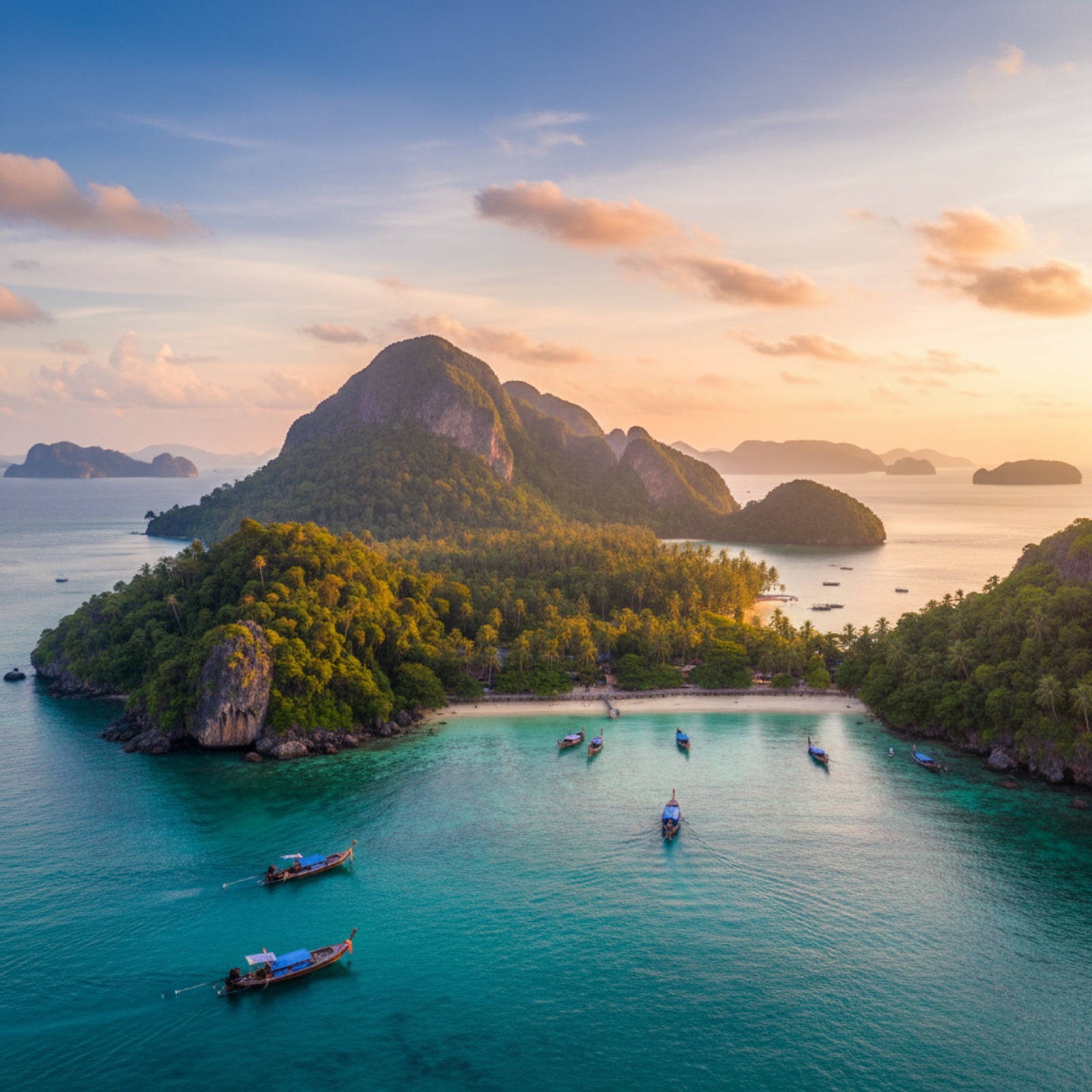
Best Time to Visit Thailand: Seasons by Region
Thailand's cool, hot and rainy seasons, month-by-month weather, how the north and the east and west coasts differ, shoulder-season value…
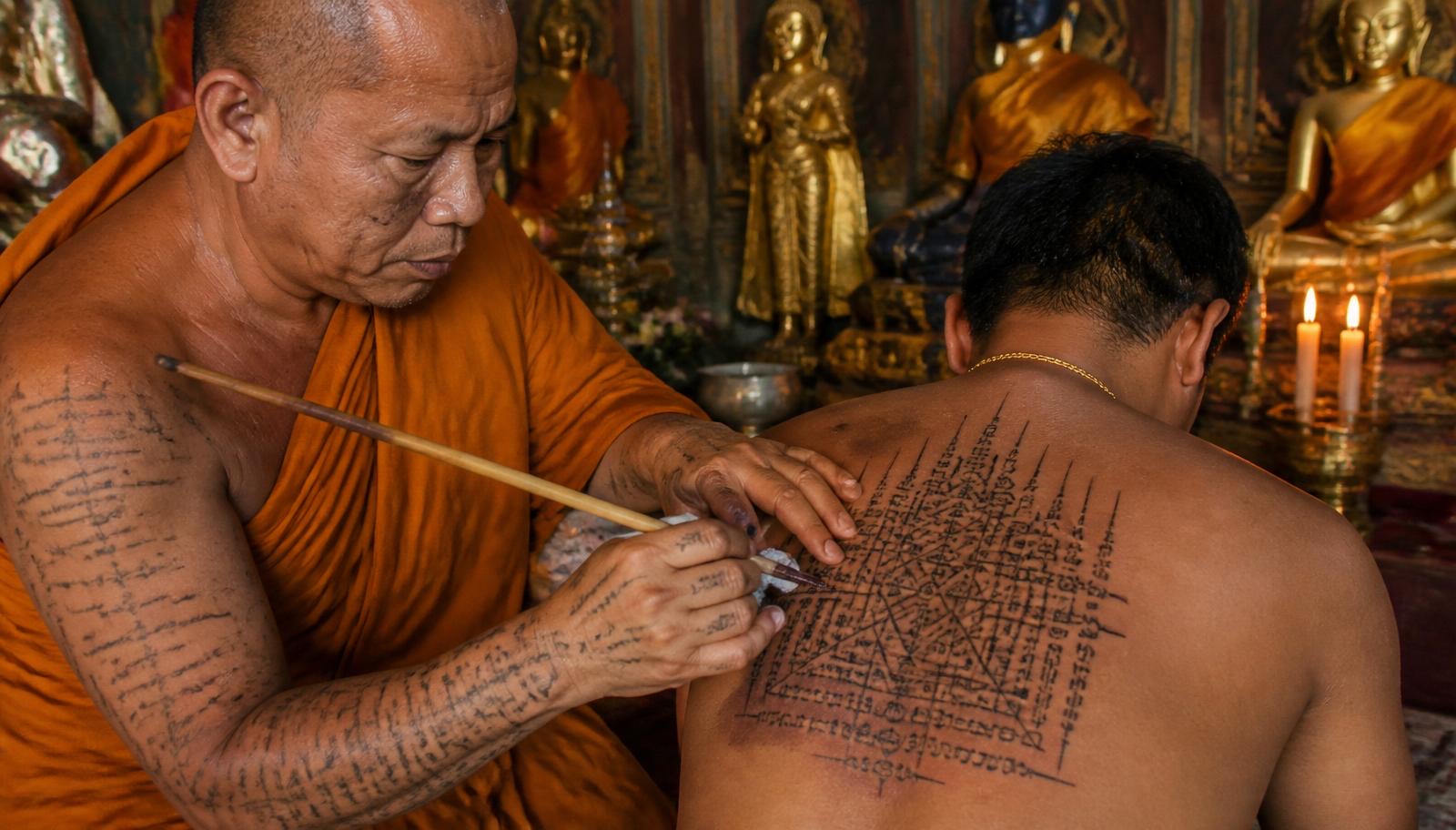
Sak Yant Tattoos in Thailand: The Complete Cultural Guide
What a Sak Yant is, common designs and meanings, temples versus ajarns in Chiang Mai and Bangkok, the ceremony, hygiene, costs and the…
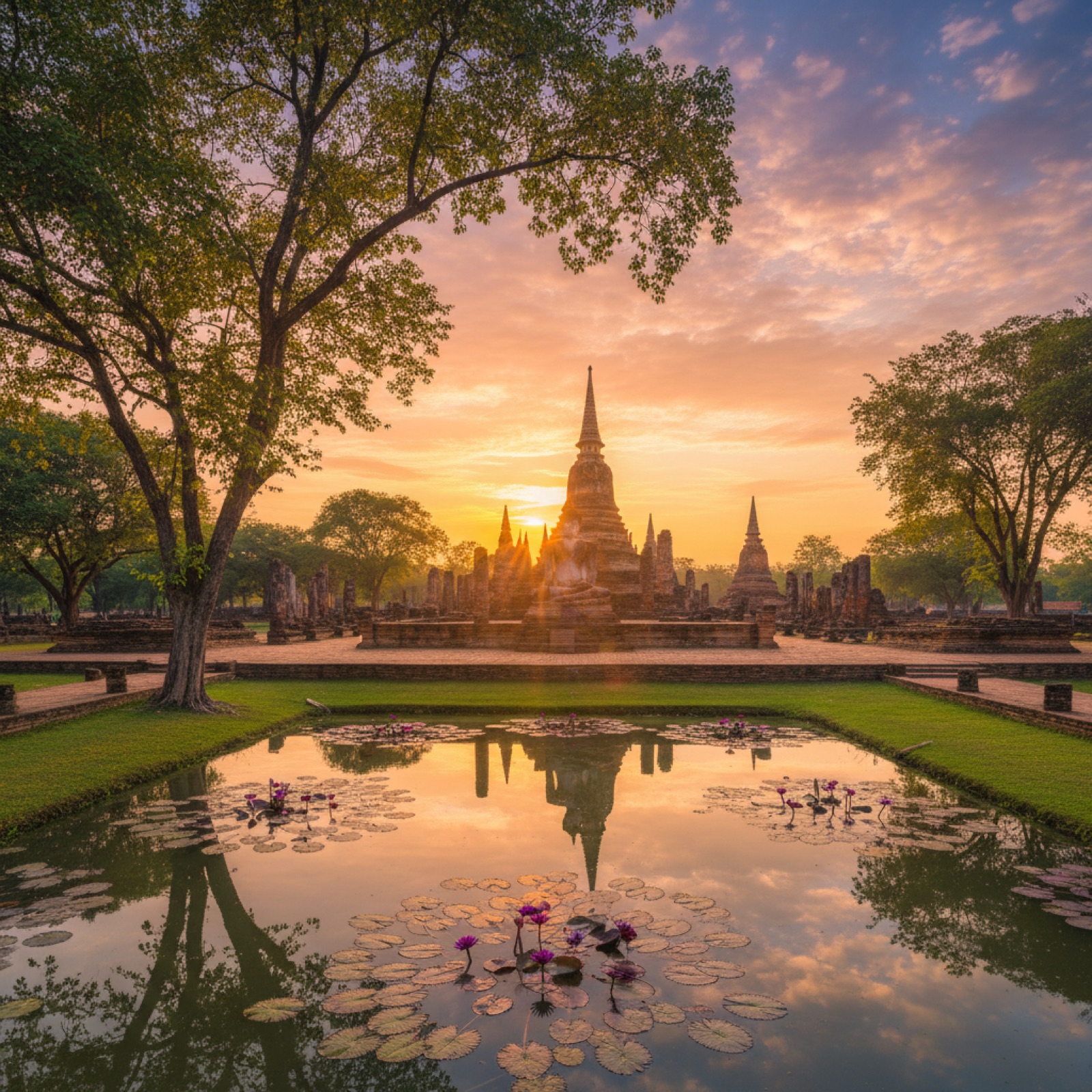
Sukhothai Travel Guide: Visiting Thailand's Ancient Capital
How to visit Sukhothai, Thailand's first capital — the Historical Park's ruins, getting there from Bangkok or Chiang Mai, and the best…