Morocco Itinerary: Marrakech, Atlas and Sahara
Medinas, mountain passes and Sahara dunes — how to structure a first Morocco trip, plus etiquette, transport and what to pack.
In this guide
- Quick Facts
- Essential Destinations & Highlights
- Best Time to Visit & Seasonal Considerations
- Navigating Morocco: Transport Guide
- Where to Base Yourself: Neighbourhoods & Accommodation
- A Culinary Journey: Dishes You Must Try
- Haggling, Money & Budgeting Strategy
- Cultural Etiquette, Dress Code & Safety
- Common Mistakes to Avoid
- The 10-to-14 Day Morocco Itinerary
- Final Thoughts
- Explore in Depth
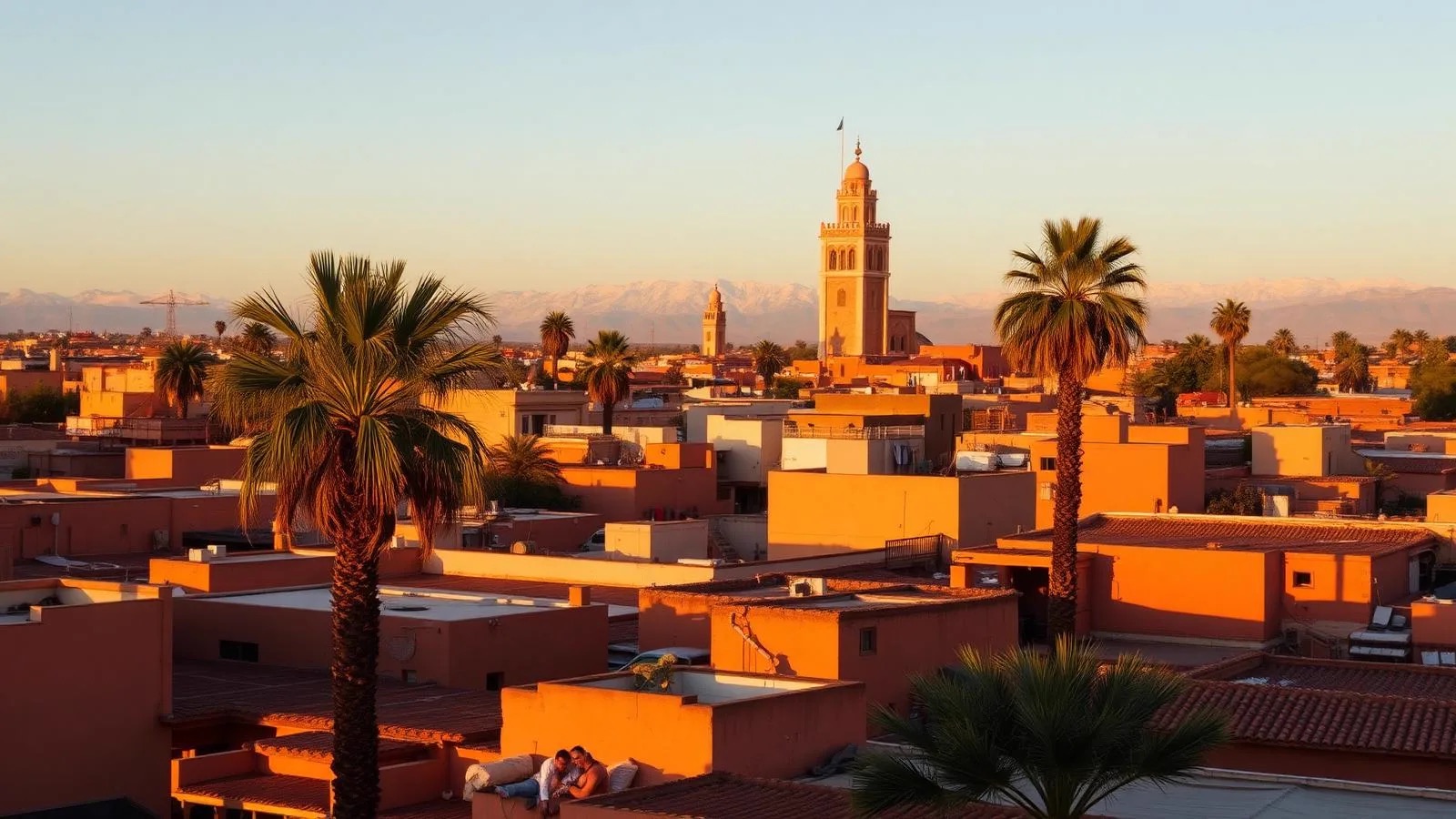
At dusk in Marrakech, from a rooftop terrace above Jemaa el-Fnaa, you can watch the sky turn violet and rose as dense clouds of aromatic smoke rise from the grill stalls below. The hypnotic rhythm of frame drums, storytellers weaving tales for captivated circles, and the resonant call to prayer echoing from the Koutoubia Mosque merge into a sensory wave that feels entirely timeless. Few places capture the lens and the imagination quite like Morocco.
This North African kingdom is a land of staggering contrasts that rewards those willing to embrace its vibrant complexity. Within a few hours of travel, you can move from the labyrinthine ancient alleys of medieval medinas to snow-dusted High Atlas peaks, and onward into the silent, shifting golden dunes of the Sahara Desert. To travel here is to experience a rich tapestry woven from Amazigh (Berber), Arab, African, and Andalusian heritage, where centuries-old traditions flourish alongside modern high-speed rail lines.
Planning a trip through Morocco requires a thoughtful approach to route design, cultural etiquette, and transit logistics. Whether you are navigating the blue-washed alleyways of Chefchaouen, trekking through remote mountain valleys, or negotiating for silver lanterns in a sun-dappled souk, this comprehensive guide will equip you with the practical insight needed to execute a seamless and unforgettable journey.
Quick Facts
- Geographic Location: North Africa, bordered by the Atlantic Ocean, the Mediterranean Sea, Algeria, and the Sahara Desert.
- Key Destinations: Marrakech, Fes, Chefchaouen, High Atlas Mountains, Erg Chebbi (Merzouga), Essaouira.
- Primary Languages: Moroccan Arabic (Darija), Amazigh dialects, and French (widely spoken in tourism and commerce).
- Visa Basics: Citizens of Australia, the UK, the EU, the USA, Canada, and New Zealand generally receive visa-free entry for up to 90 days upon arrival. Check official government portals for current entry guidelines before departure.
- Transport Infrastructure: Modern passenger train network (ONCF) connecting northern cities; grand taxis, long-distance buses, and private transfers serving mountain and desert routes.
- Terrain & Topography: Coastal beaches, fertile plains, rugged alpine mountain chains (High, Middle, and Anti-Atlas), and expansive sand seas.
- Cultural Norms: Predominantly Muslim country; conservative dress is appreciated, particularly outside major urban centres and coastal resorts.
Essential Destinations & Highlights
Marrakech: The Pulse of the South and Jemaa el-Fnaa
Marrakech is an energetic, sensory-rich city anchored by its red-sandstone walls and historic medina. At the heart of it all lies Jemaa el-Fnaa, an enormous public square that transforms daily from an open-air market into a theatrical spectacle of street performers, musicians, snake charmers, and food vendors. Photographers will find endless inspiration in the surrounding souks, where trade is divided by craft—from hammered copper and brass lanterns to hand-dyed wool skeins hanging to dry in the sun.
Beyond the bustling markets, Marrakech holds quiet architectural sanctuaries. The Bahia Palace showcases intricate zellij tilework, painted cedarwood ceilings, and tranquil courtyard gardens designed to trap cool breezes. Nearby, the Saadian Tombs display exquisite marble craftsmanship dating back to the late sixteenth century. To escape the midday heat, wander down to the shadow of the Koutoubia Minaret—the architectural landmark that served as the design template for Seville’s Giralda tower.
Fes: The Ancient Cultural and Spiritual Heart
If Marrakech is Morocco’s vibrant showman, Fes is its intellectual and spiritual soul. Fes el-Bali, the city’s walled UNESCO-listed medina, is considered the world’s largest car-free urban area. More than nine thousand narrow alleys wind past historic madrasas, hidden mosques, and ancient artisan workshops where techniques have remained unchanged for centuries. Donkeys carrying goods remain the primary mode of freight transport through these ancient stone corridors.
The iconic Chouara Tannery offers one of the most memorable sights in Fes. From surrounding rooftops, you can look down upon vast honeycomb arrays of stone vats filled with natural dyes and softening solutions, where workers submerge hides under the blazing sun. To balance the sensory intensity of the tanneries, visit the Al-Attarine or Bou Inania Madrasas, where delicate stucco carving, carved cedar, and geometric tile art represent the pinnacle of Islamic architecture.
Chefchaouen: The Enchanting Blue Pearl
Nestled high in the Rif Mountains of northern Morocco, Chefchaouen is world-famous for its striking blue-washed buildings. Founded in the late fifteenth century by Andalusian exiles, the town offers a distinctly relaxed atmosphere compared to the intense energy of Marrakech or Fes. The various shades of azure, cerulean, and cobalt that coat the walls, steps, and doorways were traditionally maintained by Jewish residents and local mountain communities, creating a photogenic haven like no other.
Spending a few days in Chefchaouen allows you to slow down. Explore the winding lanes of the medina, browse for handwoven wool blankets and regional leather crafts, and stop at a street-side cafe in Plaza Uta el-Hammam. Late in the afternoon, follow the walking trail up the hillside to the abandoned Spanish Mosque for sweeping panoramic views of the blue city framed by the dramatic limestone peaks of the Rif range as the sun dips below the horizon.
The High Atlas Mountains & Mount Toubkal
Forming a dramatic spine across the country, the High Atlas Mountains divide the Mediterranean and Atlantic coastlines from the harsh Sahara Desert. This region is the traditional homeland of the Amazigh people, who live in terraced mud-brick villages clinging to steep valley sides. The small town of Imlil serves as the primary base for trekking expeditions, including ascents of Mount Toubkal—the highest peak in North Africa at 4,167 metres above sea level.
Trekking here ranges from day walks through walnut groves and apple orchards to multi-day alpine traverses across high passes like Tizi n'Test or Tizi n'Tichka. Walking between villages offers an intimate look at mountain rural life, where irrigated agricultural terraces line the riverbanks and mountain hospitality is unmatched. Even a simple day excursion from Marrakech into the Ourika Valley or Imlil Basin delivers breathtaking mountain scenery and a welcome respite from urban heat.
The Sahara Desert: Erg Chebbi and Merzouga
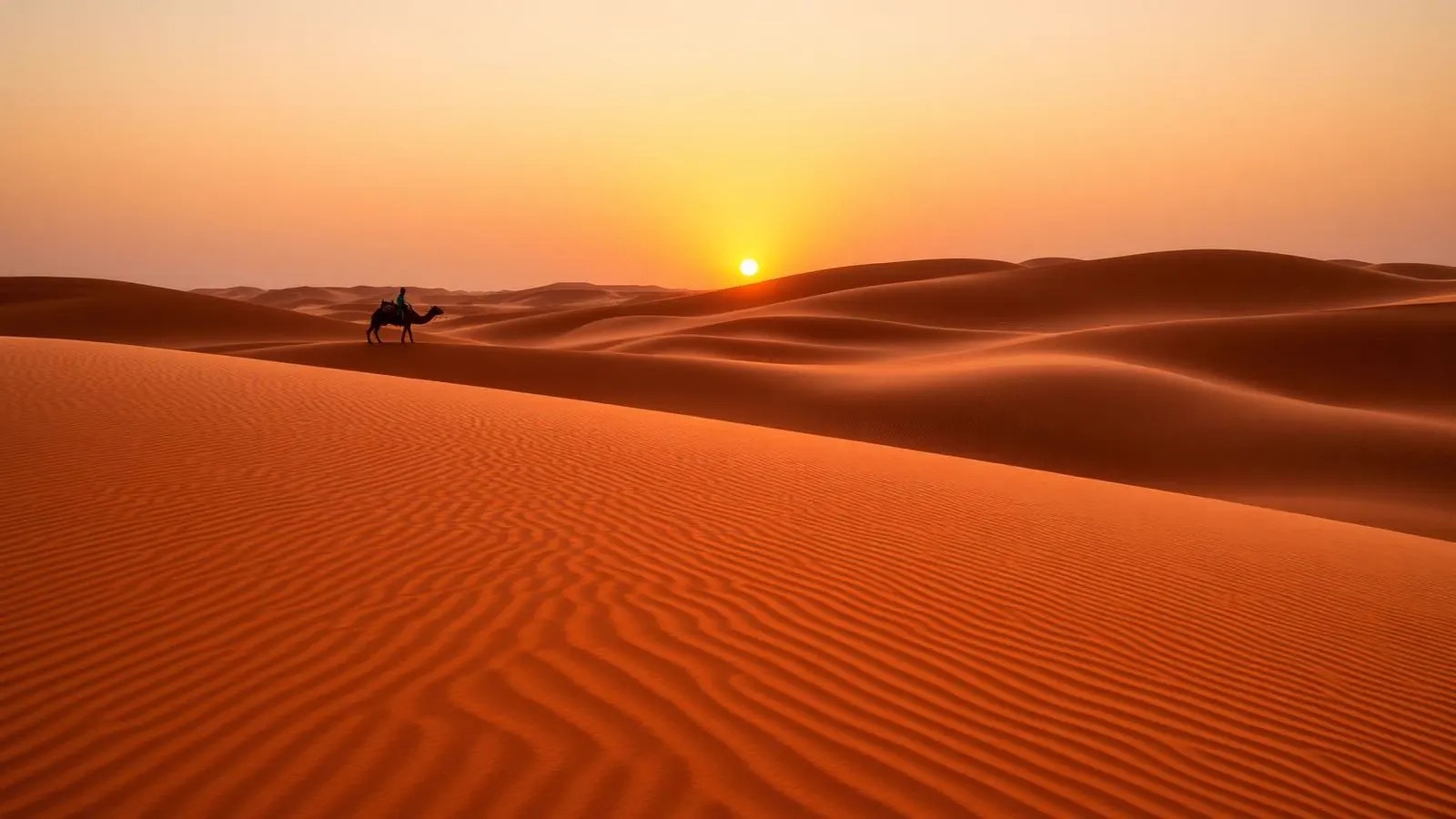
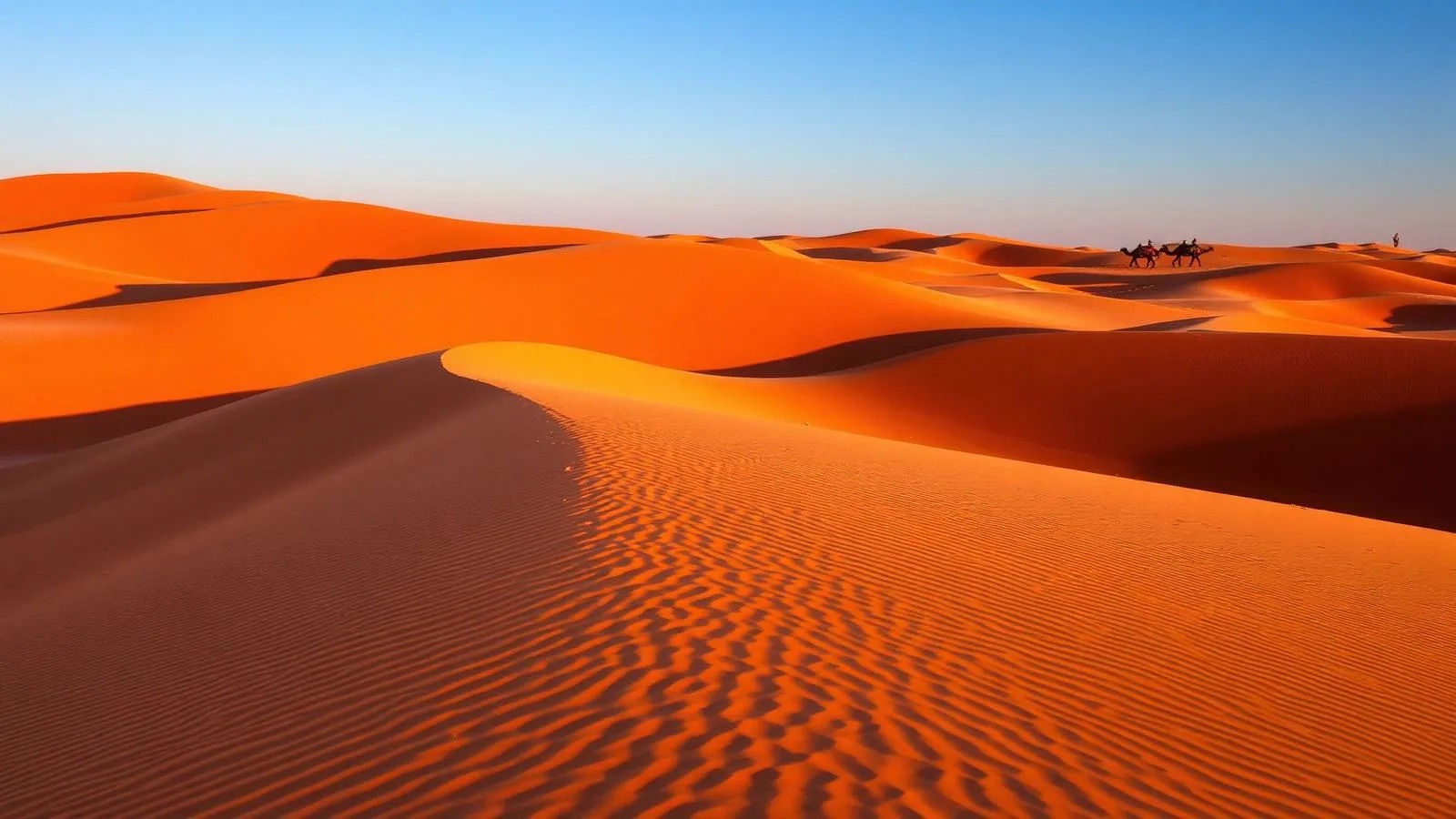
No trip to Morocco is complete without venturing into the deep south to experience the majesty of the Sahara. The most famous sand dune field is Erg Chebbi, located near the border village of Merzouga. Here, wind-sculpted golden dunes rise up to 150 metres above the rocky desert plain (*reg*), creating an undulating landscape that changes colour dramatically as the sun moves across the sky.
Reaching Erg Chebbi usually involves travelling through the spectacular Dades Valley and Todra Gorge—a sheer limestone canyon carved by mountain rivers. From Merzouga, travellers typically head into the sand dunes via camel trek or four-wheel-drive vehicle to spend a night in a desert camp. Far away from city lights, the night sky over the Sahara reveals a dazzling blanket of stars, while mornings reward early risers with a sunrise that illuminates the endless waves of sand in warm amber light.
Essaouira: Atlantic Breezes and Coastal Charm
Situated on the windy Atlantic coast, the fortified port city of Essaouira provides a refreshing contrast to Morocco’s inland cities. Enclosed by eighteenth-century stone ramparts designed by French engineers, the whitewashed medina features broad avenues, art galleries, wood-carving workshops, and blue-shuttered houses. The constant Atlantic wind—known locally as the *Alizé*—keeps summer temperatures delightfully mild while attracting windsurfers and kitesurfers from across the globe.
At the active harbour, blue wooden fishing boats line the quays as fishermen unload their daily catches of sardines, sea bass, and seafood. You can select fresh fish directly from the wooden stalls near the port and have it grilled over charcoal right in front of you. Essaouira's easy-going vibe, pedestrian-friendly medina, and sea breeze make it an ideal coastal stop to unwind after navigating the busy interior souks.
Best Time to Visit & Seasonal Considerations
Spring and Autumn Sweet Spots
The optimal times to explore Morocco are during spring (March to May) and autumn (September to November). During these shoulder seasons, daytime temperatures across the country are warm and pleasant, making urban sightseeing, mountain hiking, and desert excursions exceptionally comfortable. Spring carpets the High Atlas valleys in wildflowers, while autumn offers clear skies and comfortable desert temperatures ideal for outdoor exploration.
Navigating Summer Heat and Winter Cold
Summer (June to August) brings intense heat to inland regions. Cities like Marrakech and Fes regularly experience temperatures exceeding 40°C, while the Sahara Desert becomes uncomfortably hot during the day. If travelling in summer, focus your itinerary on coastal destinations like Essaouira and Tangier, or stick to high-altitude trekking in the Atlas Mountains where temperatures remain temperate.
Winter (December to February) delivers bright, crisp days across northern cities, but temperatures drop significantly at night. Snowfall is common in the High and Middle Atlas Mountains, opening up skiing options near Oukaïmeden but requiring mountain passes to be cleared. Desert nights in the Sahara can drop near freezing during mid-winter, so adequate winter layers and warm sleepwear are essential if visiting desert camps during these months.
Travelling During Ramadan
The Islamic holy month of Ramadan shifts each year according to the lunar calendar. Visiting during Ramadan provides a unique cultural insight, as evenings come alive with family gatherings and the breaking of the fast (*Iftar*). However, business hours shorten during the day, some local restaurants close until sunset, and transport schedules may be altered. Travellers should display cultural respect by refraining from eating, drinking, or smoking in public spaces during daylight hours.
Navigating Morocco: Transport Guide
Rail Network & ONCF Trains
Morocco boasts one of the most efficient and developed rail networks in Africa, operated by the national rail carrier ONCF. The modern high-speed service, named *Al Boraq*, connects Tangier to Casablanca via Rabat in about two hours and ten minutes. Standard passenger trains link key northern and central destinations, including Fes, Meknes, Rabat, Casablanca, and Marrakech, offering comfortable first-class and second-class carriages at reasonable rates.
Train travel is highly recommended for journeys between major cities along the main rail corridor. Carriage interiors are air-conditioned, seating is reliable, and major train stations (such as Marrakech, Fes Ville Nouvelle, and Rabat Ville) feature modern amenities, luggage storage, and clear signage. Tickets can be purchased online or directly at station ticket counters prior to departure.
Grand Taxis vs Petit Taxis
Taxis play a vital role in Moroccan daily transit, operating in two distinct formats:
- Petit Taxis: Small cars operating strictly within urban city limits. Each city uses a specific colour scheme (for example, beige in Marrakech, red in Casablanca, light blue in Chefchaouen). Petit taxis carry up to three passengers and should always run on a digital meter (*compteur*). If the driver hesitates to switch on the meter, politely insist on its use before departing.
- Grand Taxis: Larger shared vehicles (often sedans or passenger vans) that operate fixed routes between towns, remote villages, or transport hubs not serviced by rail. Grand taxis depart once all passenger seats are filled. Alternatively, travellers can pay for all remaining empty seats to hire the taxi privately for faster departure and greater comfort.
Driving and Private Desert Transfers
Renting a vehicle offers ultimate flexibility when exploring rural regions such as the High Atlas passes, the southern oases, and the Atlantic coastline south of Essaouira. Main highways (*Routes Nationales*) and toll expressways (*Autoroutes*) are generally well-maintained. However, drivers must remain alert for pedestrian traffic, livestock, unlit vehicles at night, and speed control checkpoints managed by local gendarmes at city boundaries.
For long journeys into the Sahara Desert via Merzouga, hiring a private vehicle with an experienced local driver or booking an organised multi-day transfer is often preferred. Driving from Marrakech to the desert involves negotiating high mountain passes and long transit stretches through arid valleys; letting a local professional handle the driving allows you to appreciate the dramatic southern geology without navigation stress.
Where to Base Yourself: Neighbourhoods & Accommodation
Marrakech: Historic Medina vs Modern Gueliz
Choosing where to stay in Marrakech shapes your daily city experience:
The Historic Medina: Staying inside the old city walls allows you to experience a traditional *riad*—a historic courtyard mansion restored into a boutique guesthouse. Riads feature inward-facing architecture designed around a central fountain or plunge pool, offering a quiet oasis tucked away from the noisy alleys. Key medina areas include the historic quarters near the Kasbah (quieter, easy access to taxis) or Derb Dabachi (very central, walking distance to souks and Jemaa el-Fnaa).
Gueliz and Hivernage: Built during the French protectorate era, these modern neighbourhoods offer wide tree-lined avenues, contemporary apartments, international restaurants, and mid-century hotels. Staying in Gueliz provides easy vehicle access, modern shopping options, and a quieter residential feel while remaining a short taxi ride from the medina gates.
Fes: Deep Inside Fes el-Bali
When visiting Fes, staying within the car-free boundaries of Fes el-Bali is highly recommended for an authentic historic stay. Look for guesthouses located near prominent entry gates such as Bab Bou Jeloud (The Blue Gate). Staying near a main medina gate minimizes the distance you will need to walk with your luggage and makes finding your way back to your accommodation late at night much simpler.
If you prefer wide streets, modern hotel facilities, and direct taxi drop-offs, consider basing yourself in the Ville Nouvelle (New Town). Constructed outside the historic walls, this district features wide boulevards, bank branches, and modern amenities, connected to the old medina by cheap, frequent petit taxi rides.
Chefchaouen & Coastal Havens
In Chefchaouen, choose a small guesthouse situated in the upper part of the medina, near Ras el-Maa waterfall or close to Plaza Uta el-Hammam. Accommodation here often features rooftop breakfast terraces overlooking the blue-washed buildings and mountain backdrop.
In Essaouira, stays inside the eighteenth-century medina put you within steps of pedestrian shopping lanes and historic courtyards. Alternatively, properties lined along the broad beach promenade (*Boulevard Mohammed V*) cater to travellers seeking ocean views, direct beach access, and modern hotel amenities.
A Culinary Journey: Dishes You Must Try
Tagines and Couscous Traditions
Moroccan cuisine is celebrated worldwide for its subtle balance of aromatic spices, slow-cooking techniques, and contrasting sweet and savoury flavours. The iconic Tagine takes its name from the conical clay vessel in which ingredients are slowly simmered over hot charcoal. The unique clay lid traps steam and drips condensation back onto the ingredients, resulting in exceptionally tender meats and layered sauces spiced with saffron, cumin, ginger, cinnamon, and turmeric.
Popular traditional tagine variations include:
- Tender Lamb or Beef: Slow-cooked with prunes, toasted almonds, and a delicate honey glaze.
- Chicken Tagine: Simmered with preserved lemons, green olives, and fresh coriander.
- Berber Vegetable Tagine: A vibrant pyramid of seasonal potatoes, carrots, zucchini, and tomatoes spiced with ras el hanout.
Couscous is Morocco’s national dish, traditionally prepared on Fridays following mid-day prayers. Tiny grains of semolina are painstakingly hand-rolled and steamed multiple times over a simmering pot of broth, topped with tender meat and seven seasonal vegetables (such as pumpkin, cabbage, chickpeas, and sweet turnip).
Pastilla and Street Food Delights
A true culinary masterpiece of Moroccan cuisine is Pastilla (or *Bstilla*), a specialty originating from Fes. This dish features layers of paper-thin, crispy *warqa* pastry filled with shredded, spiced slow-cooked poultry (traditionally pigeon, now commonly chicken), mixed with roasted ground almonds, saffron, and crushed cinnamon. The finished pastry is dusted with powdered sugar and cinnamon, creating a remarkable balance of sweet and savoury flavours in every bite.
Street food offers an authentic and accessible way to sample regional delicacies. Look out for:
- Harira: A rich, fragrant soup made from tomatoes, lentils, chickpeas, herbs, and small noodles, often served with sweet dates.
- Sfenj: Freshly fried Moroccan ring doughnuts, crispy on the outside and chewy within, sold straight from frying vats in early mornings.
- Sardines: Atlantic sardines marinated in spicy *chermoula* herb paste (garlic, coriander, cumin, lemon, and paprika) and fried crisp.
The Ritual of Mint Tea
Pouring and sharing fresh mint tea—affectionately known as "Moroccan Whisky"—is the universal sign of hospitality throughout the nation. Prepared by steeping gunpowder green tea leaves with fresh spearmint leaves and a generous slab of sugar, the hot beverage is served at all hours of the day. The tea is aerated by pouring it from a curved silver teapot held high above small glass cups, creating a delicate layer of froth on top that preserves heat and locks in essential aromatic oils.
Haggling, Money & Budgeting Strategy
The Art of Souk Negotiation
Haggling is an integral part of commerce and daily social interaction in Moroccan markets. View price negotiation not as a stressful conflict, but as an enjoyable, polite conversation. When browsing souks for rugs, leather goods, ceramics, or lamps, keep these steps in mind:
- Do Your Research: Browse several shops without buying initially to gauge prevailing market quality and benchmark prices.
- Let the Vendor Name the First Price: Never offer a figure first. Once the shopkeeper names a starting price, offer roughly forty to fifty percent of that figure if you are genuinely interested.
- Negotiate Warmly: Counter-offer slowly while maintaining a friendly, polite demeanor. Smiling and sharing light conversation goes a long way.
- Know Your Limit: Decide in your head what a craft item is worth to you before entering negotiations. If the vendor refuses to match your comfortable upper limit, politely thank them and walk away; quite often, you will be called back to complete the sale.
Cash Culture and Tipping Etiquette
While high-end hotels, riads, and modern restaurants in major cities accept international credit cards, Morocco remains largely a cash-driven economy. Smaller market vendors, petit taxis, street food stalls, and rural shops transact exclusively in cash. Carry a steady supply of small-denomination banknotes and coins, as changing large notes for minor purchases in souks can prove difficult.
Tipping (*baksheesh*) is embedded in everyday service culture. Leaving a modest tip for restaurant servers, café staff, hotel luggage porters, and local tour guides is customary and deeply appreciated. Always check official exchange rates and monitor current bank rates at official ATM machines located at airports or major bank branches throughout urban areas.
Cultural Etiquette, Dress Code & Safety
Respectful Dress in Public Spaces
Morocco is a Muslim-majority country with conservative values, particularly outside cosmopolitan urban centres like Casablanca or modern city sectors. While tourists are not expected to dress identically to locals, wearing modest, culturally respectful clothing prevents unwanted attention and demonstrates consideration for local traditions.
- For Women: Loose, breathable clothing covering shoulders, cleavage, and knees is recommended when exploring medinas, rural villages, and religious landmarks. Lightweight linen trousers, maxi skirts, loose shirts, and a light cotton scarf (useful for covering shoulders or protecting against desert sun) are ideal choices.
- For Men: Long trousers or knee-length shorts paired with t-shirts or casual button-down shirts are appropriate. Collared shirts are preferred when dining at upscale city venues.
- At Resorts and Beaches: Standard swimwear and bikinis are fine at hotel pools and popular resort beaches in Essaouira or Agadir, but wrap up when leaving beach areas to enter town streets.
Photography and Local Interaction
Morocco is an exceptionally photogenic country, but photography requires sensitivity. Always ask permission before photographing individuals, especially street artisans, market vendors, and children. In high-density tourist areas like Jemaa el-Fnaa, street performers, snake charmers, and musicians will expect a monetary tip if you photograph their performance or pose with them.
It is strictly prohibited to photograph military installations, border posts, government facilities, or police checkpoints. Furthermore, non-Muslims are generally not permitted to enter working mosques across Morocco, with the notable exception of the magnificent Hassan II Mosque in Casablanca, which offers guided interior tours for international visitors outside prayer times.
Common Mistakes to Avoid
- Accepting Unsolicited Navigation Help: In busy medinas like Fes or Marrakech, young men may offer unsolicited directions or warn you that a street is "closed." Often, this leads to an unwanted tour ending at a family carpet shop or a request for payment. Politeness and a firm "No, thank you" (*La, Shukran*) while continuing on your path with confidence works best. Using offline mapping applications can keep you oriented.
- Underestimating Transit Distances: Morocco looks compact on maps, but navigating winding mountain passes across the High Atlas or driving across desert landscapes takes significant time. Avoid packing too many far-flung destinations into a brief trip; focus on a defined region rather than spending your entire holiday inside a bus or car.
- Drinking Unfiltered Tap Water: Stick to filtered, boiled, or bottled water during your stay to avoid intestinal issues. Take care with ice cubes in informal street venues and stick to freshly cooked, piping-hot meals.
- Packing Heavy Hard-Shell Luggage: Medina streets consist of cobbled steps, dirt tracks, and narrow footpaths where wheeled luggage stalls easily. Travelling with a durable duffel bag or backpack makes walking to historic guesthouses significantly easier.
- Forgetting Warm Clothing for Desert Nights: Many first-time visitors assume the Sahara remains hot around the clock. Sand drops heat rapidly as soon as the sun sets, causing temperatures in desert camps to plummet overnight. Always pack warm mid-layers, thermal tops, and a beanie if booking desert excursions.
The 10-to-14 Day Morocco Itinerary
This balanced circuit captures Morocco’s iconic urban medinas, mountain landscapes, Sahara sand dunes, and Atlantic coastal charm without feeling overly rushed.
Days 1–3: Marrakech Arrival & Exploration
Arrive in Marrakech and check into a historic medina riad. Spend your first full day discovering Jemaa el-Fnaa, visiting the Bahia Palace, the Saadian Tombs, and wandering through the artisan souks. On day three, take an early morning excursion into the nearby High Atlas Mountains (such as the Imlil Valley) to enjoy short village walks and alpine scenery before returning to Marrakech for dinner.
Days 4–6: The Road South through Dades Valley to the Sahara
Depart Marrakech in a private vehicle or excursion group, crossing the dramatic Tizi n'Tichka pass over the High Atlas. Stop to tour the UNESCO World Heritage site of Ait Benhaddou—an impressive fortified mud-brick village (*ksar*). Continue through the Valley of the Roses to sleep overnight in the Dades Gorge. On day five, drive past the towering sheer walls of Todra Gorge toward Merzouga. Embark on an afternoon camel trek into the Erg Chebbi sand sea to spend the night at a traditional Sahara desert camp beneath the stars.
Days 7–9: North to Fes via the Middle Atlas
Wake early to watch sunrise across the dunes before departing the desert. Journey north through the Ziz Valley lined with palm oases, traveling through the cedar forests of the Middle Atlas Mountains (near Ifrane) where wild Barbary macaques reside. Arrive in Fes by late afternoon. Spend day eight exploring Fes el-Bali on foot: visit the Chouara Tannery, admire the intricate tilework of Bou Inania Madrasa, and shop for hand-crafted leather and ceramics.
Days 10–11: The Blue City of Chefchaouen
Take a morning long-distance bus or grand taxi north into the Rif Mountains to Chefchaouen (the town has no railway station). Spend a day and a half walking through its tranquil blue-washed streets, photographing bright doorways, relaxing at open-air plaza cafes, and taking a sunset walk up to the Spanish Mosque for vistas across the valley.
Days 12–14: Coastal Essaouira & Departure
Travel south to the Atlantic coast to spend your final days in Essaouira. Stroll along the ocean ramparts, observe the bustling fishing port, enjoy freshly grilled seafood, and pick up unique handicrafts carved from local thuya wood. Return to Marrakech or Casablanca for your international departure flight, bringing your Moroccan journey to a scenic close.
Final Thoughts
Morocco is a destination that captivates every sense and stays with you long after you have returned home. It demands patience at times, but repays curiosity with unforgettable moments of hospitality, ancient craftsmanship, and astonishing dramatic landscapes. From the soft silence of a Saharan dune at dawn to the energetic hum of a city souk at dusk, travelling through this extraordinary country is an adventure in the truest sense of the word. Pack your camera, bring comfortable walking shoes, open your senses to the scents of spices and mint, and prepare to fall under Morocco’s timeless spell.
Explore in Depth
More Morocco guides
Things to Do in Marrakech: A First-Timer's Guide
The medina and Jemaa el-Fnaa, Marrakech's historic buildings, sights outside the walls, riads versus hotels, day trips, cultural tips and…
Sahara Desert Tour From Marrakech: What to Expect
What a Sahara trip from Marrakech really involves: Erg Chebbi versus Erg Chigaga, long driving days, desert camps and picking the right…