Spain Itinerary: Madrid, Andalusia and Barcelona
A ten-day Spain route by high-speed rail — Madrid, Seville, Granada and Barcelona — plus meal times, seasons and how to pace it.
In this guide
- Quick Facts
- Best Time to Visit
- Navigating Spain: The High-Speed Rail Network
- Madrid: The Royal Capital
- Essential Day Trip: Toledo
- Andalusia: The Moorish Heartland
- Barcelona: Gaudí and Mediterranean Spirit
- Understanding Spanish Food Culture and Rhythms
- Regional Differences: Castilian, Andalusian, and Catalan
- Budgeting and Practical Travel Advice
- Common Mistakes to Avoid
- Sample 14-Day Classic Spain Itinerary
- Final Thoughts
- Explore in Depth
- Explore in Depth
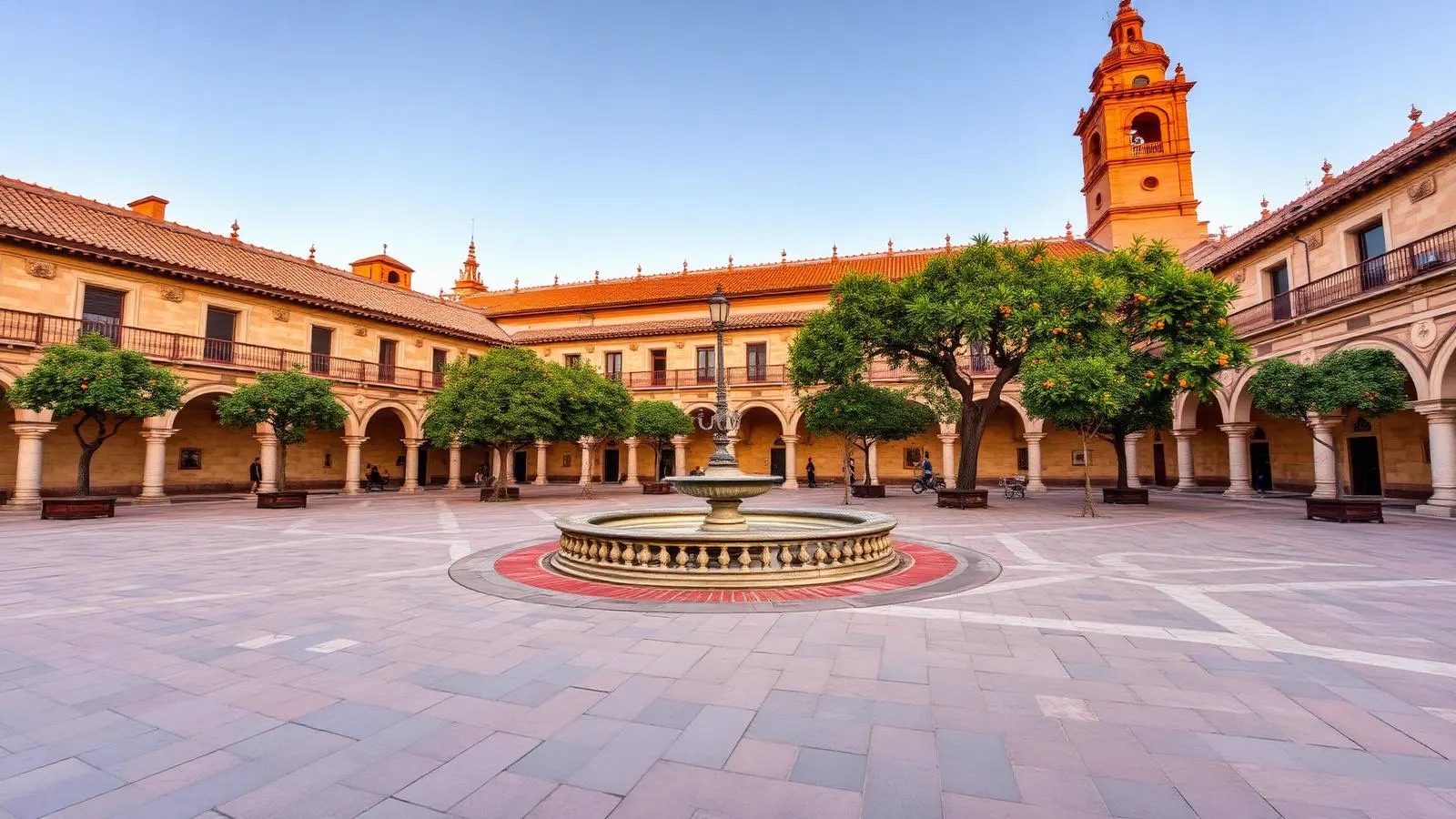
Sit at a weathered wooden table in a shaded plaza behind Seville’s cathedral as the afternoon heat lingers like a heavy blanket over the cobbles. When the bells of the Giralda strike four, the city slips into that slow, quiet transition when it holds its breath before the cool evening arrives. Order a glass of chilled fino sherry and a plate of acorn-fed jamón ibérico, and watch local shopkeepers pull down their metal shutters for the afternoon pause. That is Spain’s true magic: it does not demand that you rush to absorb its grandeur; it simply invites you to align your pulse with its own passionate, unhurried rhythm.
This classic journey through Spain—linking the grand imperial avenues of Madrid, the sun-drenched, Moorish-infused heart of Andalusia, and the coastal, avant-garde streets of Barcelona—is perhaps the most compelling overland travel route in Western Europe. It is a voyage of dramatic regional contrasts. Within a few hours aboard a high-speed train, you transition from the sombre, stately granite monuments of the Castilian plain to the intricate, lace-like stucco of Islamic palaces, and onward to the whimsical, organic forms of Catalan Modernisme.
Whether you are framing a photograph of the Alhambra against the snow-capped peaks of the Sierra Nevada or learning to time your evening meal to the local custom of 10:00 pm, navigating Spain requires a blend of smart preparation and relaxed flexibility. Having covered thousands of kilometres across the Iberian Peninsula with camera gear in tow, I have refined this exact circuit. This guide details how to seamlessly connect these iconic regions, master the rail system, adapt to local dining customs, and discover the distinctive neighbourhood character of Spain’s most unforgettable destinations.
Quick Facts
- Geography & Route: Central Castile (Madrid, Toledo) down to Andalusia (Seville, Cordoba, Granada), ending along the north-east Mediterranean coast (Barcelona).
- Primary Transit Mode: High-speed rail (AVE network operated by Renfe) connecting major city centres in under three hours per leg.
- Entry Requirements: Schengen Area rules apply. Passport holders from outside the EU/EEA should verify visa-free entry allowances and digital travel authorization steps prior to travel.
- Primary Languages: Spanish (Castilian) nationwide, with Catalan co-official in Catalonia. English is widely spoken in tourist sectors, but basic Spanish greetings are warmly appreciated.
- Daily Dining Rhythms: Lunch is the main meal (2:00 pm – 4:00 pm); dinner rarely begins before 9:00 pm or 10:00 pm.
- Peak Travel Seasons: Spring (April to May) and Autumn (September to October) offer ideal weather across all regions.
- Ticket Planning: High-demand sights (Alhambra in Granada, Sagrada Família in Barcelona) require advance online booking weeks or months ahead; check official booking portals for current entry pricing and availability.
Best Time to Visit
Spring (March to May)
Spring is arguably the ideal period to complete this multi-region itinerary. In Madrid, daytime temperatures are mild, and the city’s manicured gardens bloom. Andalusia shines brightest during these months: Seville hosts its world-famous April fair, orange blossoms perfume the streets, and the southern plains are lush before the intense summer drying. Barcelona enjoys crisp, clear coastal weather perfect for walking tours. Be aware that Easter week (Semana Santa) brings massive processions, elevated accommodation costs, and crowded streets in Andalusian cities, requiring reservations far in advance.
Autumn (September to November)
As the searing heat of summer breaks in September, autumn ushers in golden afternoon light, comfortable walking temperatures, and thinner crowds at major cultural sites. September remains warm enough for coastal dips near Barcelona, while October brings comfortable temperatures across the southern interior. The foliage in Madrid’s Retiro Park transforms into deep ambers and gold, making autumn a favourite season for travel photography.
Summer (June to August)
Summer brings long daylight hours, but heat requires strategic planning, particularly in Andalusia and Madrid. Temperatures in Seville, Cordoba, and Granada frequently exceed 40°C during July and August. Local life moves indoors during the mid-day hours, leaving streets quiet until late evening. Barcelona experiences heavy humidity and peak summer tourist crowds. If travelling in summer, schedule monument visits for early morning, reserve air-conditioned accommodation, and embrace the late-night culture.
Winter (December to February)
Winter offers quiet sights and crisp sky days, though temperatures vary dramatically by region. Madrid suffers cold, sharp Castilian winds and low temperatures, while Andalusia enjoys mild afternoon sunshine. Granada’s proximity to the Sierra Nevada mountains brings chilly air, but the sight of the Alhambra set against snow-capped peaks is breathtaking. Barcelona remains temperate, though breezy. Winter offers lower lodging rates and manageable entry lines at famous monuments.
Navigating Spain: The High-Speed Rail Network
How the High-Speed Rail System Works
Spain boasts one of the most efficient high-speed rail infrastructures in the world. Operated predominantly by the national rail operator Renfe under the AVE brand (alongside newer competing high-speed services), these sleek trains link downtown stations at speeds reaching 300 km/h. Choosing rail over domestic flights eliminates airport transit times, security queues, and baggage limits, dropping you directly into city centres.
Key transit times on this classic itinerary demonstrate the efficiency of the network:
- Madrid to Toledo: Roughly 30 minutes via regional high-speed (Avant).
- Madrid to Cordoba: Approximately 1 hour and 45 minutes.
- Cordoba to Seville: Around 45 minutes.
- Seville to Granada: Approximately 2 hours and 30 minutes.
- Madrid to Barcelona: Roughly 2 hours and 30 minutes non-stop.
Booking Tips and Rail Etiquette
To secure preferred travel times and cheaper seat classes, book high-speed rail tickets through official rail channels several weeks ahead of your trip. Train stations in Spain operate like mini-airports: your luggage passes through an X-ray scanner before you reach the platforms, so arrive at least 30 minutes before departure.
Most long-distance high-speed trains offer quiet cars (coche silencio), where phone calls and loud conversations are prohibited—an excellent option if you intend to rest or work between cities. Ensure you check station names carefully; Madrid has two primary hubs (Atocha and Chamartín), though most trains serving Andalusia and Barcelona run through Atocha.
Madrid: The Royal Capital
Key Highlights and Iconic Sights
Perched high on the Castilian plateau, Madrid is a city of broad imperial boulevards, magnificent plazas, and unmatched artistic heritage. Rather than relying on a single iconic landmark, Madrid’s charm lies in its energy, grand architecture, and exceptional art collections.
The "Golden Triangle of Art" along the Paseo del Prado forms the cultural heart of the city. The Prado Museum holds masterpieces by Velázquez, Goya, and El Greco. A short walk away, the Reina Sofía Museum focuses on twentieth-century art, housing Picasso’s monumental masterpiece, Guernica. The Thyssen-Bornemisza Museum completes the trio, bridging early European masters with modern movements.
West of the art district lies the historic core. The Royal Palace (Palacio Real), with its granite façade and grand rooms, showcases the wealth of the Spanish empire. Nearby, the Plaza Mayor offers a stately enclosed space framed by red brick buildings and slate spires. For outdoor leisure, El Retiro Park provides manicured gardens, serene walking paths, and the elegant Glass Palace overlooking a central pond.
Where to Base Yourself in Madrid
Choosing the right neighbourhood dictates your experience in the capital:
- Sol and Gran Vía: The commercial centre. Vibrant and centrally located, but busy and noisy late into the night.
- Huertas / Barrio de las Letras: The historic literary quarter. Characterised by cobblestone pedestrian streets, historic taverns, and proximity to major museums. Ideal for first-time visitors seeking character and walkability.
- Malasaña and Chueca: Trendy neighbourhoods north of Gran Vía, packed with indie boutiques, vintage clothing stores, sidewalk cafés, and nightlife.
- Salamanca: An upscale district defined by grid-like streets, high-end designer shopping, elegant dining, and a quieter residential atmosphere.
Essential Day Trip: Toledo
Exploring the City of Three Cultures
Just half an hour south of Madrid by high-speed train, Toledo sits dramatically atop a rocky gorge encircled on three sides by the Tagus River. Known as the "City of Three Cultures," Toledo preserves centuries of historic co-existence between Christian, Muslim, and Jewish communities, resulting in an architectural tapestry contained within medieval walls.
Navigating Toledo requires climbing steep stone alleys, so comfortable footwear is essential. Dominating the skyline is the Alcázar, a massive stone fortress overlooking the river valley. The Toledo Cathedral stands as a masterpiece of Gothic architecture, featuring intricate carved choir stalls, a towering gilded altarpiece, and sacristy walls hung with paintings by El Greco, who spent his later years working in the city.
To appreciate Toledo’s multicultural legacy, visit the Synagogue of Santa María la Blanca and the Synagogue of El Tránsito, both showcasing exquisite Mudéjar craftsmanship—a style created by Islamic artisans working under Christian rule. Before catching your return train to Madrid, head across the river to the Mirador del Valle lookout for a sweeping photographic view of the entire medieval citadel.
Andalusia: The Moorish Heartland
Seville: Passion, Flamenco, and Architecture
Seville embodies the romantic image of southern Spain: horse-drawn carriages, shaded courtyards, narrow whitewashed lanes, and intense passion for traditional arts. The city’s architectural crown jewel is the Real Alcázar, a living royal palace complex featuring stunning Moorish arches, complex tilework, and lush gardens, including the sunken Patio del Crucero, that showcase classic Mudéjar design.
Directly opposite the palace stands Seville Cathedral, the largest Gothic cathedral in the world. Inside lies the tomb of Christopher Columbus and a massive golden retablo. Climb the ramped interior of the Giralda tower—originally built as a minaret during the Almohad dynasty—for panoramic views across the city’s terracotta rooftops.
South of the cathedral district, the Plaza de España presents a breathtaking sweep of brick and tile built for the 1929 Ibero-American Exposition. Half-moon canal paths, painted bridges, and alcoves representing each province of Spain make this one of the most photographed sites in Andalusia. In the evening, cross the Guadalquivir River into the Triana neighbourhood, famous for tile making, maritime history, and authentic flamenco venues (tablaos) where the art form retains its emotional raw energy.
Cordoba: The Mosque-Cathedral and Roman Bridge
Located on the train line between Madrid and Seville, Cordoba was once the intellectual and cultural centre of the Western world during the Caliphate era. The city’s defining landmark is the Mezquita-Catedral (Mosque-Cathedral), an architectural wonder featuring a vast forest of over eight hundred jasper, onyx, and marble columns topped by red-and-white horseshoe arches.
In the sixteenth century, a Renaissance cathedral nave was constructed directly inside the centre of the sprawling Islamic mosque. Standing beneath the arches, you can track the architectural transition from Islamic design to Christian ornamentation within a single room.
Outside the Mezquita, wander the narrow whitewashed alleys of the Judería (Jewish Quarter), where residential courtyards (patios) overflow with potted geraniums and hanging vines. Step across the stone Roman Bridge at sunset to capture light reflecting off the historic city walls and the riverbed below.
Granada: The Alhambra and Generalife
Cradled at the foot of the Sierra Nevada mountains, Granada was the final stronghold of Islamic rule on the Iberian Peninsula. The city is dominated by the Alhambra, an extraordinary hilltop complex of royal palaces, fortified towers, and garden retreats constructed during the Nasrid dynasty.
The Nasrid Palaces within the Alhambra showcase delicate Islamic artistry: intricately carved stucco wall panels, honeycomb ceiling vaults (muqarnas), and peaceful reflective pools designed to cool the air. Nearby, the gardens of the Generalife feature trickling water channels and terraced orange orchards where Nasrid rulers escaped summer heat.
Across the Darro river valley from the Alhambra lies the Albayzín, the historic Moorish residential quarter. Its winding stone alleys lead up to the Mirador de San Nicolás, a panoramic plaza where street musicians play guitar as sunset casts a deep red glow over the Alhambra’s fortress walls. Higher up the hillside, the cave dwellings of Sacromonte reveal the historical home of Granada’s gitano community, where traditional music rings out from rock-hewn homes.
Where to Base Yourself in Andalusia
- Seville – Barrio Santa Cruz: The historic old Jewish Quarter. Highly picturesque, packed with tapas bars, and within walking distance of main sites, though streets are too narrow for cars.
- Seville – El Arenal: Stretches along the river near the bullring. Elegant, central, and packed with fantastic seafood restaurants.
- Granada – Centro / Plaza Nueva: Convenient, flat, and central for walking to transport links and accessing the Alhambra footpaths.
- Granada – Albayzín: Unmatched atmosphere and views of the Alhambra, but steep walking, uneven cobblestones, and limited vehicle access make luggage transport challenging.
Barcelona: Gaudí and Mediterranean Spirit
Modernisme Masterpieces and Major Sights
Facing the Mediterranean Sea, Barcelona offers a dramatic shift in tone, style, and identity from the rest of Spain. Catalonia’s capital is defined by its maritime setting, distinct language, medieval quarter, and extraordinary Modernisme architecture—most notably the works of Antoni Gaudí.
Gaudí’s undisputed masterwork is the Basilica de la Sagrada Família, an ongoing architectural project that has been under construction for well over a century. The exterior features soaring, organic towers and detailed stonework depicting scenes of the Nativity and Passion. Stepping inside reveals a forest of angled columns designed to mirror trees, illuminated by stained-glass windows that flood the nave with blue, green, orange, and red light.
Gaudí’s influence extends across the city. Park Güell offers a colourful garden complex featuring mosaic-tiled benches, undulating stone arcades, and views over the Mediterranean coastline. Along the grand boulevard of Passeig de Gràcia stand Casa Batlló, with its dragon-scale roof and bone-like balcony railings, and Casa Milà (La Pedrera), famous for its undulating stone façade and chimney-sculpted rooftop terrace.
Beyond modernism, Barcelona’s historic core revolves around the Barri Gòtic (Gothic Quarter) and El Born. Here, narrow medieval alleys open into hidden plazas, ancient Roman walls, and soaring Gothic structures like the Cathedral of the Holy Cross and Saint Eulalia. Stroll along the tree-lined boulevard of La Rambla down to the historic harbour, making a stop at the bustling Mercat de Sant Josep de la Boqueria to admire colourful fruit displays, fresh seafood, and cured meats.
Where to Base Yourself in Barcelona
- Eixample: A nineteenth-century grid-pattern district split into Esquerra (Left) and Dreta (Right). Characterised by wide, safe boulevards, fine dining, excellent shopping, and stunning Modernisme residential buildings. Highly recommended for first-time visitors.
- El Born / La Ribera: A trendy medieval neighbourhood adjacent to the Gothic Quarter. Filled with artisan workshops, fashion boutiques, lively wine bars, and the Picasso Museum. Great central atmosphere.
- Barri Gòtic: The historical heart of the city. Ultra-central and atmospheric, though street noise can be high and narrow lanes require careful navigation at night.
- Poblenou: A former industrial area turned creative hub near the beaches. Quieter, local feel with great pedestrian spaces, ideal for travellers seeking a coastal vibe away from tourist crowds.
Understanding Spanish Food Culture and Rhythms
Tapas, Raciones, and Regional Specialities
Food in Spain is far more than sustenance; it is an essential social ritual that structures daily life. Understanding how ordering works across different regions improves your culinary experience:
- Tapas: Small bite-sized portions served alongside a drink order. In Granada and select areas of southern Spain, a free tapa is still brought out automatically whenever you order a glass of beer (caña), wine, or vermouth.
- Pinchos / Pintxos: Skewered snacks traditionally displayed on bar tops, secured with a small wooden toothpick. More common in northern Spain, but popular in specialized bars in Madrid and Barcelona.
- Raciones: Full-sized sharing plates. When dining with two or more people, ordering three or four raciones to share is the standard way to sample regional specialties.
Regional specialities reflect geography and climate. In Castilian Madrid, hearty fare dominates: try cocido madrileño (a slow-cooked chickpea and meat stew) or crispy bocadillos de calamares (squid rings served on fresh crusty bread near Plaza Mayor). In Andalusia, sample salmorejo (a cold, thick tomato and garlic soup topped with chopped hard-boiled egg and jamón), crisp fried fish (pescaíto frito), and cold fino or manzanilla sherry. In Barcelona and Catalonia, taste Mediterranean preparations like pa amb tomàquet (grilled bread rubbed with ripe tomatoes, garlic, and olive oil), fresh grilled seafood, and escalivada (roasted aubergine and red peppers).
A note on paella: authentic paella originates from Valencia and is traditionally consumed as a long, casual weekend lunch—never as a late-night dinner. Look for rice dishes served at coastal establishments that cook to order, and avoid venues displaying faded photos of yellow rice outside tourist thoroughfares.
Navigating Meal Times and the Siesta
Adapting your body clock to Spanish meal times is essential to avoid finding closed kitchen doors. The daily schedule follows a specific timeline:
- Desayuno (8:00 am – 10:00 am): A light morning start consisting of coffee (café con leche) served alongside toasted bread with tomato and oil (tostada con tomate) or fried dough churros dipped in thick hot chocolate.
- Almuerzo / Comida (2:00 pm – 4:00 pm): The primary meal of the day. Consists of multiple courses, often starting with a soup or salad, followed by fish or meat, and finished with dessert or espresso. Kitchens usually close strictly by 4:00 pm.
- Merienda (5:30 pm – 7:30 pm): A late-afternoon snack to bridge the gap until dinner. Expect pastries, coffee, or a small sandwich.
- Cena (9:00 pm – 11:00 pm): Dinner is lighter and inherently social. Locals head out late to tapas bars or sit down for shared plates around 9:30 pm or 10:00 pm. Finding high-quality local dining before 8:30 pm can be challenging outside heavily touristed areas.
The traditional siesta is often misunderstood. Modern urban offices do not close for afternoon sleep, but smaller family-owned shops, regional boutiques, and neighbourhood services across Spain—especially in Andalusia—still shut their doors between 2:00 pm and 5:00 pm. Use these warmer afternoon hours to relax, edit photos, or visit major air-conditioned museums, which remain open throughout the day.
Regional Differences: Castilian, Andalusian, and Catalan
Cultural and Architectural Contrasts
Travelling from Madrid down to Andalusia and across to Barcelona demonstrates that Spain is a nation of distinct regional identities bound together by a shared geography. Castilian Spain, centred around Madrid and Toledo, feels imperial, solid, and formal. Architecture is dominated by granite, slate spires, and brickwork that reflects the stoic history of the central plateau.
Andalusia is defined by eight centuries of Moorish history, resulting in Islamic structural design, courtyards designed to capture cool air, whitewashed plasterwork, and vibrant tile accents. The culture is expressive, outward-looking, and deeply attached to local traditions such as flamenco, horse culture, and neighbourhood festivals.
Catalonia views itself through a Mediterranean lens, shaped by sea trade, historic ties to southern France, and an industrial boom during the nineteenth century. The region expressed its wealth through Modernisme—an avant-garde, nature-inspired architectural movement that rejected standard straight lines in favour of organic curves and expressive ironwork.
Language and Local Customs
Castilian Spanish (castellano) is spoken across Madrid and Andalusia. In Barcelona, Catalan (català) is a distinct Romance language—not a dialect of Spanish—used on street signs, public announcements, menu listings, and in daily speech. While locals in Barcelona are bilingual and switch easily to Castilian Spanish or English with travellers, recognizing Catalan’s cultural importance is respected.
Budgeting and Practical Travel Advice
Managing Costs and Ticket Logistics
Travelling through Spain can suit various budgets, but costs rise quickly in major tourist centres like central Barcelona and Madrid. You can keep expenses manageable through strategic decisions:
- Advance Ticket Bookings: Major attractions employ timed entry systems with capped daily caps. Reserve tickets directly through official attraction websites weeks ahead for the Alhambra in Granada and the Sagrada Família in Barcelona. Booking directly avoids inflated third-party agency markups.
- Dining Value: Take advantage of the weekday lunch menu of the day (menú del día). Offered between 1:30 pm and 3:30 pm, this multi-course meal includes a starter, main course, bread, drink, and dessert at a fixed, reasonable price point.
- City Transport: Avoid point-to-point single transit tickets. Purchase multi-journey transit passes (such as 10-ride cards) for the efficient metro networks in Madrid and Barcelona, which can often be shared among multiple travellers.
Safety, Etiquette, and Tipping
Spain is generally a very safe destination, but petty theft and pickpocketing are common in tourist areas. Be vigilant in crowded spaces: keep zip-closed bags positioned across your front on the Barcelona Metro, along La Rambla, at Madrid’s outdoor markets (like El Rastro), and around busy train hubs.
Tipping customs are discreet compared to North America. Leaving spare change or rounding up to the nearest euro at casual cafés is standard. At sit-down dinner service, leaving a small cash tip (around 5% to 10% for good service) is appreciated, but exceptional gratuities are not expected by local staff.
Common Mistakes to Avoid
- Over-packing the Itinerary: Attempting to add four or five extra Andalusian towns into a two-week trip results in spending half your holiday packing bags and sitting on platforms. Focus on core bases and use high-speed trains for easy day trips.
- Arriving for Dinner at 7:00 pm: Showing up at authentic local taverns early often means finding closed doors, cleaning staff preparing for the night, or an empty room geared purely toward tourists. Adjust your schedule by taking a late afternoon snack (merienda) to ease into late-night dining.
- Forgetting Alhambra Tickets: The Nasrid Palaces within Granada’s Alhambra strictly limit hourly visitor entries. Tourists who show up without pre-booked tickets are regularly turned away at the gates.
- Renting a Car in Historical City Centres: Driving inside the ancient quarters of Seville, Granada, Toledo, or Barcelona is frustrating due to pedestrian restrictions, narrow alleys, strict emission zones, and expensive parking garages. Stick to high-speed rail for intercity legs and public transit or walking within cities.
- Ignoring Dress Codes for Religious Sites: Active places of worship like Seville Cathedral and Barcelona’s Sagrada Família strictly enforce rules requiring covered shoulders and knee-length clothing. Pack a lightweight scarf or layer in your daypack.
Sample 14-Day Classic Spain Itinerary
This balanced two-week route links Castilian heritage, Andalusian culture, and Catalan coastal style using the high-speed rail network.
Days 1–3: Imperial Madrid
- Day 1: Arrive in Madrid. Settle into your hotel in Huertas or Barrio de las Letras. Take an evening walk through Plaza Mayor and Puerta del Sol, ending with tapas and cold draught beer at a neighbourhood tavern.
- Day 2: Spend the morning exploring Spanish art classics at the Prado Museum. In the afternoon, walk through El Retiro Park to see the Glass Palace, then head west for sunset views outside the Royal Palace.
- Day 3: Morning visit to the Reina Sofía Museum to view Picasso’s Guernica. Spend the afternoon exploring the boutique shopping streets of Malasaña, finishing with late dinner in Chueca.
Day 4: Day Trip to Toledo
- Day 4: Catch an early 30-minute train from Atocha Station to Toledo. Spend the day walking through the steep medieval lanes, visiting the Gothic Cathedral, the Synagogue of Santa María la Blanca, and viewing El Greco paintings. Return to Madrid in the late afternoon for your final evening in the capital.
Days 5–7: Seville
- Day 5: Board a morning AVE high-speed train south across the Castilian plains to Seville (approx. 2.5 hours). Base yourself in Barrio Santa Cruz. Spend your afternoon wandering the narrow whitewashed alleys before evening tapas along the river in El Arenal.
- Day 6: Tour the exquisite Moorish architecture of the Real Alcázar in the morning, followed by Seville Cathedral and a climb up the Giralda tower. In the late afternoon, explore the grand tiling at Plaza de España. Attend an authentic evening flamenco performance in Triana.
- Day 7: Enjoy a relaxed morning exploring local markets like Mercado de Triana. Take a mid-day walk along the riverbanks, photograph the iconic Metropol Parasol wooden structure, and enjoy a slow afternoon lunch.
Day 8: Cordoba (In-Transit Day Trip) to Granada
- Day 8: Take a morning train to Cordoba (approx. 45 minutes). Store your luggage securely at or near the station. Spend four hours exploring the stunning arches of the Mezquita and walking the Judería courtyards. In the late afternoon, take the high-speed train connection from Cordoba directly to Granada (approx. 1.5 hours). Settle into your hotel in central Granada.
Days 9–10: Granada
- Day 9: Dedicate your morning to exploring the Alhambra fortress complex and the Generalife gardens. In the afternoon, explore the quiet lanes of the Albayzín quarter, finishing at the Mirador de San Nicolás for sunset over the Alhambra. Enjoy free tapas served with drinks at local bars.
- Day 10: Visit the Royal Chapel of Granada and the surrounding bazaars (Alcaicería) in the morning. Spend the afternoon relaxing in an authentic Moorish bathhouse (hammam) before an evening stroll through the Sacromonte cave neighbourhood.
Days 11–14: Barcelona
- Day 11: Take a morning flight or high-speed rail connection up to Barcelona. Base yourself in the elegant Eixample neighbourhood. Spend the late afternoon walking through the Gothic Quarter, exploring hidden plazas, and watching dusk fall along the Old Port.
- Day 12: Marvel at Gaudí’s Sagrada Família in the morning with pre-booked entry. Walk down the grand Passeig de Gràcia avenue to admire the unique façades of Casa Batlló and La Pedrera. Spend the evening sampling seafood in El Born.
- Day 13: Morning stroll through the colourful stone structures and terraced gardens of Park Güell. Head down to the coastal Poblenou neighbourhood for a relaxed lunch, followed by an afternoon beach walk along the Mediterranean waterfront.
- Day 14: Sample fresh food items at the lively La Boqueria market before picking up last-minute souvenirs. Depart from Barcelona El Prat Airport or catch your onward connection.
Final Thoughts
Travelling across Spain along this classic circuit reveals a country far richer and more complex than any single destination can convey. By linking Madrid, the monuments of Andalusia, and the seaside modernism of Barcelona via high-speed rail, you experience three distinct cultural identities within a single, highly efficient trip.
The secret to mastering this route lies in striking the right balance between logistics and spontaneous leisure. Book your major sight tickets and train seats early, but leave plenty of unscheduled space in your afternoons. Adjust your expectations, align your appetite with local dining hours, and allow yourself to slow down when the afternoon heat settles over stone plazas. In Spain, the finest memories are rarely found while checking off sight lists—they happen while sharing small plates of food, sipping local wine, and listening to the city come alive late into the night.
Explore in Depth
Explore in Depth
If you want to go deeper on the places covered above, these companion guides pick up where this one leaves off:
More Spain guides
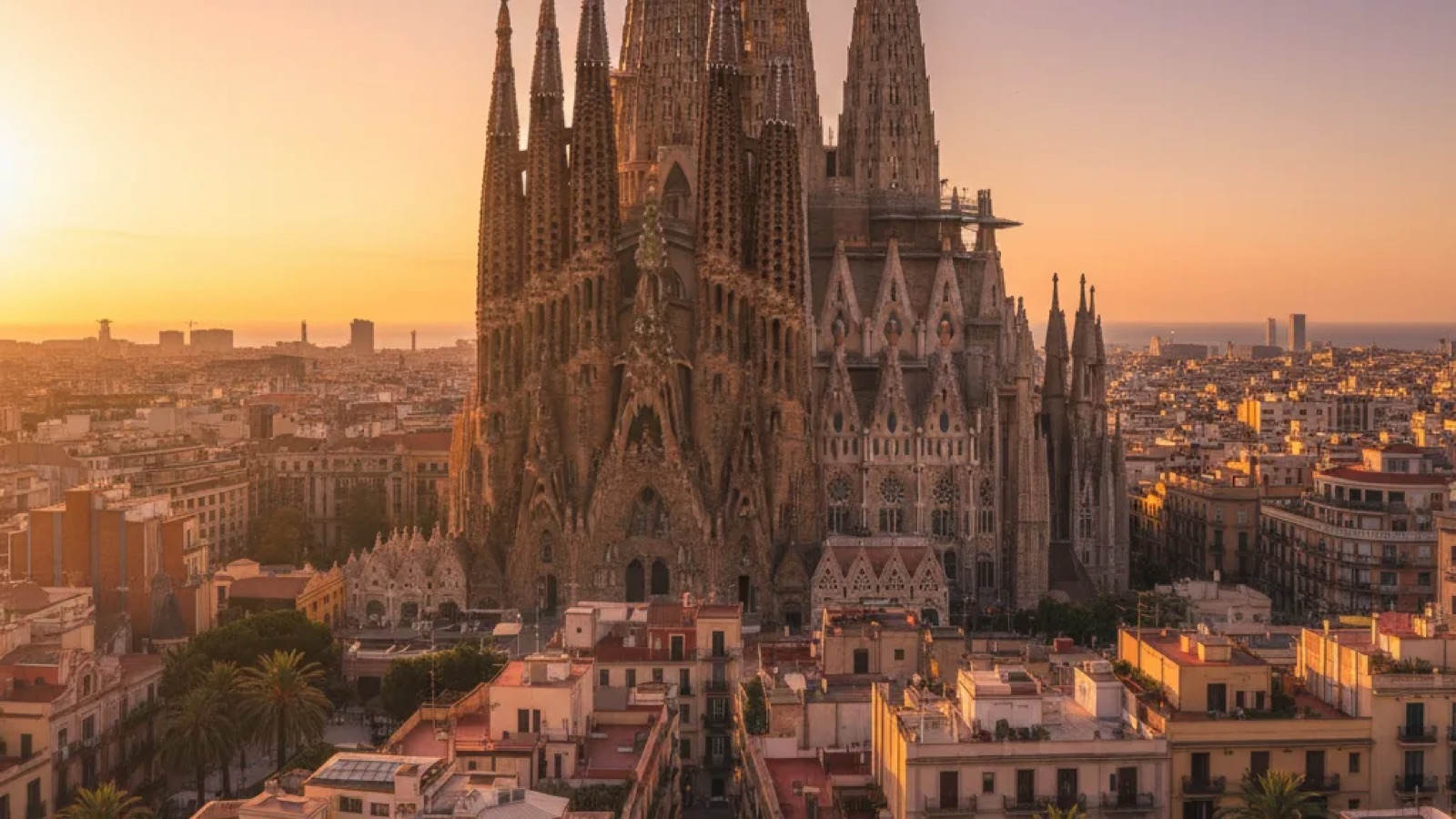
Barcelona Itinerary: Gaudi, Gothic Quarter, Beaches
Three days in Barcelona: Sagrada Familia and Park Guell booking, the Gothic Quarter, Gracia, beaches and easy day trips.
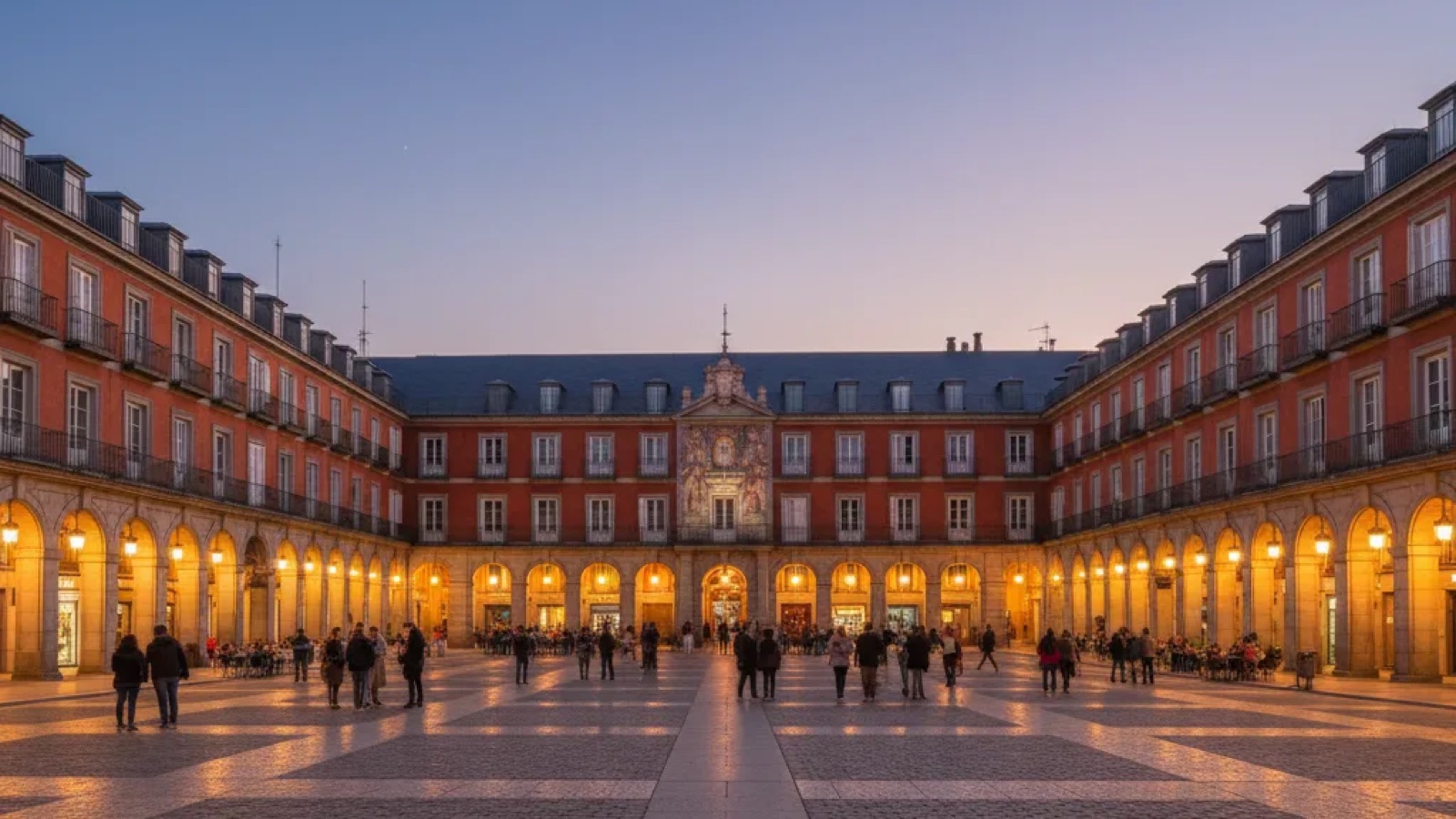
Madrid Itinerary: Art, Tapas and Day Trips
Madrid in two or three days: the Prado and Reina Sofia, Retiro, La Latina tapas crawls and day trips to Toledo and Segovia.
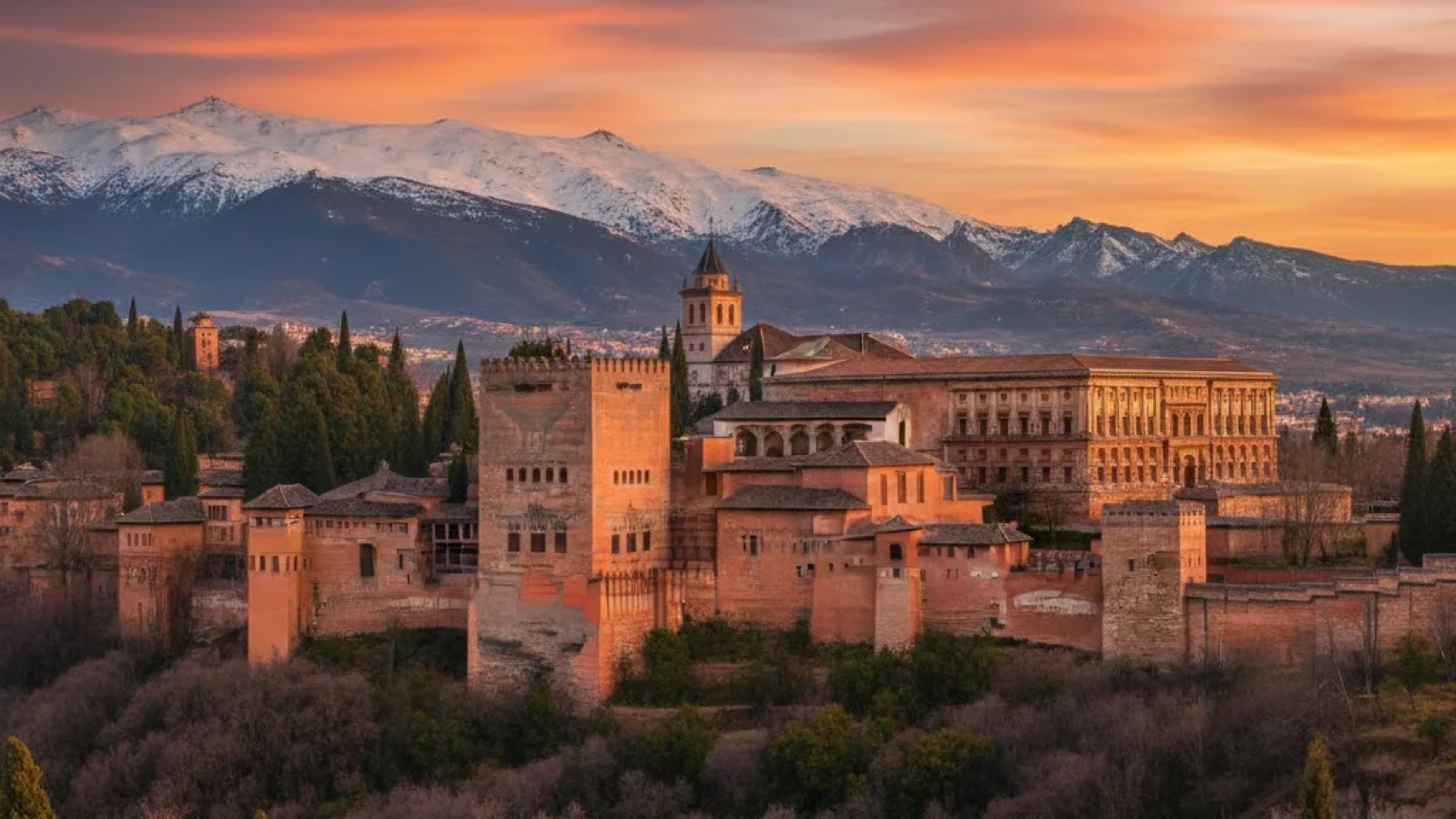
Andalusia Travel Guide: Seville, Granada, Cordoba
Planning southern Spain: the big three Moorish cities, the white villages, when to go and how to link it all by train and car.